Discover how Chati's self-service licenses give you full control - build, update, and launch virtual events on your terms. Register for our free webinar today!
Virtual events have helped highlight the evolving global academic landscape and reveal how international student mobility and trans-national education rely heavily on digital-first engagement. This is because in-person fairs and campus tours remain limited by high travel costs, visa hurdles, and geographical boundaries. However, higher education institutions can leverage strategic virtual event programming to reach prospective international students, global researchers, and overseas alumni networks across the globe far more effectively.
Here, we will discuss how universities can use virtual events to expand their global reach, including creating time zone hubs, financial sponsors, academic collaboration, and more. Through this, you will have the tools and resources to host an impactful and successful virtual event for universities while focusing on global reach.

Traditional recruitment trips struggle to reach interested international students across global markets. In contrast, multi-session virtual open days give prospective students the freedom to join from anywhere without the logistical hassle or financial expense of travel. Removing these geographic barriers makes it much easier for students around the world to connect, helping universities build a larger, more diverse, and highly qualified applicant pool.

To reach prospective students worldwide, it helps to host webinars tailored to different time zones across the Americas, Europe, and Asia. It’s been found that having current international students host live regional Q&A panels makes a huge difference. Adding real-time translation, local chat tools, and on-demand replays ensure everyone can access the content, no matter where they live or when they watch.

Offering lightweight, web-based 3D tours and virtual classroom sit-ins gives prospective students a sample of campus life without needing expensive VR headsets. Hosting interactive live streams that showcase student life, dorms, labs, and campus culture also demonstrates transparency and opportunities for these prospectives to ask questions. Finally, having current students lead virtual walk-throughs builds immediate trust, helping remote applicants easily picture themselves on campus from anywhere in the world.

Parents and financial sponsors are key decision-makers when students pick an international university. Delivering virtual programs focused specifically on visa guidance, campus safety, housing, and financial aid addresses their biggest priorities. Multi-lingual webinars designed for families help build lasting trust and noticeably improve enrollment outcomes across global markets.

Universities often use virtual research conferences and global faculty panels to attract top graduate and doctoral candidates. Hosting these online symposia helps schools build international partnerships and raise their academic profile. Archiving those presentations into searchable online libraries gives programs an easy way to keep capturing interested leads and recruiting talented researchers year-round.

Staying connected with international alumni after they graduate is tough when everyone is spread across the world. Hosting virtual events like online speed-networking, chapter reunions, and regional industry panels makes a huge difference. Keeping up regular digital programming builds stronger mentorship networks, helps with international fundraising, and keeps global graduates connected to their alma mater for life.

Moving beyond simple registration numbers requires tracking actual viewer behavior, including watch duration, poll activity, resource downloads, and application inquiries. Integrating event analytics directly into systems like Slate or Salesforce Education Cloud automates enrollment tracking. Presenting this data in clear executive frameworks provides campus leadership with concrete proof of virtual event ROI.
Summary
Here, we discussed how universities can use virtual events to expand their global reach, including creating time zone hubs, financial sponsors, academic collaboration, and more. Through this, you will have the tools and resources to host an impactful and successful virtual event for universities while focusing on global reach.

To turn these incredible insights into impactful virtual events, leverage world-leading platforms like Chati to strategize, organize, and execute your university’s virtual event effectively. Please contact Chati if you’re interested in learning how to expand your university’s global reach through virtual events today.
Webinars have become key methods for sharing information and engaging with a global audience while helping them achieve their personal and professional goals. However, tracking webinar performance is critical for webinar success because basic sign-up numbers fail to capture true viewer interest or long-term business impact. By leveraging comprehensive analytics, organizers gain a clear understanding of audience behavior, uncover meaningful opportunities for content improvement, and calculate return on investment (ROI).
Here, we will discuss identifying the specific metrics that matter most and providing practical strategies to apply them effectively across your upcoming events, including engagement metrics, lead generation, platform metrics, improving future webinars, and more. Through this, you will have the tools and resources to host a successful webinar for global audiences.

Comparing registration numbers against actual live attendance serves as a clear indication for gauging topic appeal and promotion impact. Beyond total viewer counts, analyzing drop-off points alongside average watch time reveals crucial engagement metrics throughout the presentation. Consistently tracking returning attendees across multiple sessions further highlights growing brand loyalty, validating that your overarching event strategy continues to deliver genuine value to your target audience.

Audience participation in live polls, Q&A sessions, chat channels, and interactive gamification activities offers immediate visibility into viewer attention. Tracking click-through rates on embedded links, resource downloads, and call-to-action buttons measures real-time interest during the broadcast. In the end, a high level of direct interaction correlates with content relevance, indicating that attendees are actively participating in the material being presented.

Capturing strong registration data enables marketing teams to gather key participant behavior and generate well-qualified sales leads. Following the event, tracking post-webinar actions, including demo requests, content downloads, software sign-ups, or direct purchases, indicates immediate prospect movement through the process. Calculating these distinct conversion rates provides the clear quantitative baseline required to evaluate webinar ROI and justify future marketing spending trends.

Measuring which specific presentation topics or speaker segments keep attendees the longest indicates precisely what content impacts best with your audience. Complementing this data with direct feedback from post-webinar surveys and attendee ratings delivers a full picture of attendee satisfaction. Identifying these performance gaps allows content creators to address weaknesses, fine-tune messaging, and precisely optimize future webinar goals and strategies.

Monitoring technical issues, including connection instability, device compatibility hurdles, or unexpected stream drop-offs, prevents technical issues from impacting viewer retention. Consistently tracking core platform performance metrics, including high-definition streaming quality, session uptime, and universal accessibility, ensures a stable viewing experience. Delivering a smooth, uninterrupted environment is foundational to keeping participants comfortable, focused, and engaged throughout the entire event.

Categorizing post-event audiences based on their specific engagement levels and behavioral data allows teams to build highly customized follow-up campaigns. Using data-driven insights to adjust future event timing, content formatting, or presentation delivery drives continuous program enhancement. Over time, identifying broader trends across multiple webcasts helps refine the broader marketing strategy, optimize resource allocation, and consistently increase overall ROI.
Summary
Here, we discussed identifying the specific metrics that matter most and providing practical strategies to apply them effectively across your upcoming events, including engagement metrics, lead generation, platform metrics, improving future webinars, and more. Through this, you now have the tools and resources to host a successful webinar for global audiences.

Sustained event growth relies on continuously evaluating a balanced checklist of attendance, live engagement, lead generation capture, content quality, and platform performance. Grounding your strategic decisions in actionable data improves live event outcomes while delivering clear, measurable business impact. To turn these data insights into sustainable growth, leverage advanced digital event platforms like Chati to track, evaluate, and scale your webinar operations efficiently. Please contact Chati if you’re interested in learning how to identify webinar metrics to improve your webinar skills today.
Webinars have become one of the leading methods for engaging with worldwide audiences and building professional networks. However, it’s vital to select the right webinar platform because this directly impacts attendee experience, overall engagement, and return on investment. There is a stark contrast between a seamless, professional presentation and one plagued by technical frustrations, which can define your audience's perception of your brand.
Here, we will discuss essential tips to help you select the ideal webinar platform to ensure your events run smoothly, including key features, security and compliance, trial and testing, and more. Through this, you will have the tools and resources to maximize impact, enabling your attendees to build their networks while achieving their personal and professional goals.

Before choosing a software platform, consider key questions before beginning your venture. Are you looking to generate leads, train employees, showcase products, share industry expertise, or build a community? Think about how many people you expect to attend, how often you'll host events, and whether you're planning a one-time presentation or an ongoing series. Having a clear idea of these needs will help you narrow down your options and choose software that works best for your goals.

Choose a platform that makes hosting simple and tracks your results. Key tools to look for include polls, Q&A, chat, and breakout rooms to keep attendees engaged. On the backend, look for clear analytics to measure attendance and conversions, easy integration with your CRM or email tools, and straightforward recording access for anyone who missed the live show.

A reliable platform must effectively support your expected audience size without drops in performance. You can accomplish this by considering core technical factors like bandwidth management, server stability, and seamless multi-device compatibility across desktop and mobile. If your long-term strategy includes expanding into hybrid events or multi-session conferences, ensure the software has scalability to accommodate those broader requirements.

It’s vital to have data privacy and security standards that are thoroughly assessed, especially if your industry requires adherence to regulations like GDPR (General Data Protection Regulation) or HIPAA (Health Insurance Portability and Accountability Act). When searching, look for key security features including password protection, attendee authentication, and end-to-end encryption. It’s especially vital to safeguard your organization and your audience by ensuring secure registration processes and protected storage of all attendee data.

Evaluating cost versus value of your webinar is essential in establishing a return on investment. This can be accomplished by establishing pricing structures by comparing flat subscription fees, pay-per-attendee pricing, and tier-based feature models. You can also weigh the overall value of a software solution by assessing its interactive capabilities, analytical depth, and scalability rather than relying solely on initial price tags. Finally, focusing on long-term value and expected return on investment will lead to a far more sustainable choice.

It’s important to take advantage of free trials and live demonstrations to test platforms in real-world scenarios, as they can show you their true performance and even some bugs. During testing, evaluate the quality of technical support, overall ease of setup, and performance reliability during live sessions. It’s especially important to involve your team in this trial phase to uncover potential operational challenges and refine workflows before hosting a live audience. The goal should have a streamlined experience with minimal setbacks like lag times or glitches.
Summary
Here, we discussed essential tips to help you select the ideal webinar platform to ensure your events run smoothly, including key features, security and compliance, trial and testing, and more. Through this, you now have the tools and resources to maximize impact, enabling your attendees to build their networks while achieving their personal and professional goals.

Selecting the ideal webinar platform requires aligning its features with your specific goals, target audience, and budget. The correct platform ensures smooth execution, maintains high audience engagement, and yields measurable, positive outcomes for your business. Are you ready to elevate your online events? Explore platforms like Chati to host professional webinars equipped with robust features and dedicated support. Please contact Chati to see if we have the right webinar platforms to meet your goals today.
On-demand webinars have surged in popularity, providing modern audiences with flexibility to get content that fits their schedules. However, this also brings a distinct challenge: maintaining audience engagement and retention without the real-time energy of live interactions. Here, we will discuss practical strategies designed to keep viewers focused, dynamic, and fully engaged long after the original live broadcast has wrapped up, including incorporating interactive elements, tracking metrics, maximizing impact, and more. Through this, you will have a greater understanding of how webinars can be used to keep audiences engaged while helping them achieve their personal and professional goals.
This can start by structuring your recording attentively makes a huge difference for a self-paced audience. It helps to break your webinar into clear, navigable pieces so audiences can quickly jump between topics of their interest. You can bring an extra level by enhancing visual appeal through the incorporation of vibrant slides, diagrams, and graphics that keep your audience engaged. Additionally, you can boost accessibility by offering accurate captions, full transcripts, and downloadable supplemental resources, ensuring your audience can comfortably watch and review the material with limited accomodations.
While static video recordings often lead to passive viewing, embedded interactive tools restore active participation. Integrate clickable quizzes, mid-video polls, or quick exercise prompts directly within the player to test audience understanding and maintain their attention. Additionally, you can insert clickable pop-up links leading to relevant guides, case studies, or worksheets, and invite viewers to complete post-webinar self-assessments or practical challenges to apply what they have learned. Follow-ups are a vital way of telling your audience that you care about their attendance.

Audience engagement begins well before an audience member starts the webinar. Beforehand, you can send targeted pre-viewing email campaigns featuring engaging teaser clips, clear agenda outlines, and key learning expectations to build anticipation. It's vital to always require a quick registration, even for pre-recorded content, to potentially gain audience contact details. By clearly highlighting the important feedback and immediate benefits up front, you motivate registrants to commit their time in watching the full webinar.

It's important to sustain momentum after the webinar ends with personalized follow-up emails that address audience needs and share content tailored to their interest. This ensures you drive ongoing discussion by encouraging viewers to share key insights on social media or join dedicated online community forums. Finally, you can send brief feedback surveys to gather audience insights, enabling you to improve, refine, and elevate future webinar audience experiences.
W wish to stress that data-driven insights are essential for ongoing improvement. It's vital to monitor key audience metrics such as average watch times, drop-off points, completion rates, and click-throughs on embedded interactive elements. You can use this data to distinguish your audience based on their interest level for targeted follow-ups. In the end, analyzing these performance trends helps identify your most compelling topic areas and optimize overall strategy for future on-demand sessions.

You can maximize your initial webinar's return by recycling core webinar content into diverse marketing assets. You can slice longer recordings into bite-sized video clips tailored to social media, email newsletters, or blog posts. Transform key discussion topics into downloadable infographics, quick guides, or detailed e-books, creating powerful content touchpoints that continually nurture leads and keep your brand top-of-mind over time.
Summary
Here, we discussed practical strategies designed to keep viewers focused, dynamic, and fully engaged long after the original live broadcast has wrapped up, including incorporating interactive elements, tracking metrics, maximizing impact, and more. Delivering high-impact on-demand webinars requires a complete strategy spanning content optimization, interactive video features, pre-event promotion, active follow-up, and metrics analysis.
With intentional planning and creative execution, asynchronous sessions can match the audience's immersion and lead conversion of live events. To put these strategies into action, leverage advanced virtual platforms like Chati to effortlessly host, measure, and optimize your on-demand webinar portfolio. Please contact Chati if you would like to learn how you can host a successful webinar that focuses on engaging audiences.
Hybrid events have become an essential strategy for modern nonprofits seeking to adapt to evolving supporter preferences. Combining physical and virtual environments allows organizations to expand their audience reach far beyond local geographic boundaries, boosting overall donor engagement while maximizing cost efficiency. Here, we will discuss actionable strategies designed to help your nonprofit leverage hybrid event models, effectively amplifying your core mission and driving measurable growth.
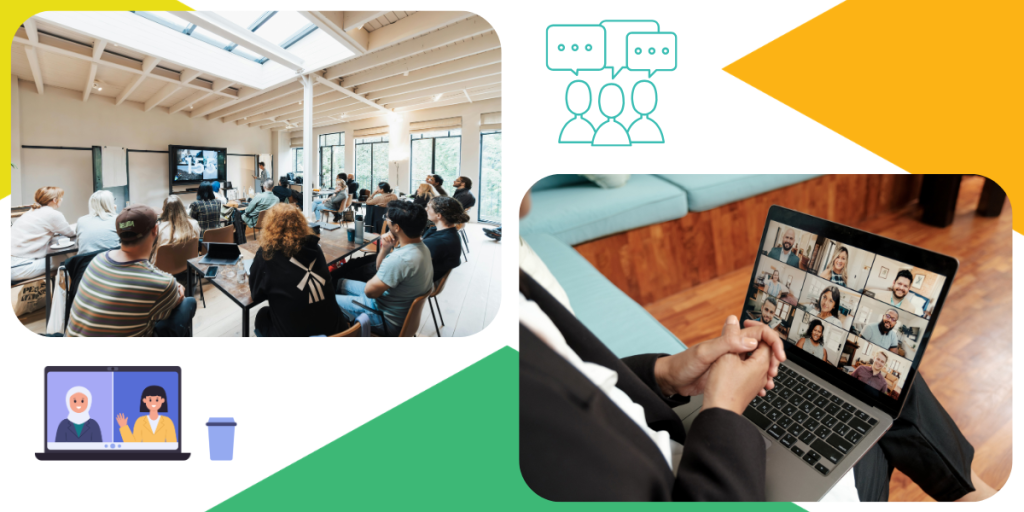
Designing a successful hybrid event requires delivering an equally compelling experience for both physical and online attendees. Nonprofits must ensure all supporters receive access to high-quality content and seamless presentation flows, regardless of location. Utilizing real-time live streaming alongside interactive elements like digital Q&A panels and live chat rooms bridges the physical distance, creating a unified community where every attendee feels actively included.

Hybrid platforms offer powerful avenues to share your mission, showcase success stories, and build lasting emotional connections with donors. To maintain high energy levels across both audiences, integrate real-time interactive tools such as live polling, visible donation tickers, and direct Q&A sessions. Keeping virtual participants just as involved as those in the room ensures stronger supporter retention and fosters higher giving rates throughout the program.
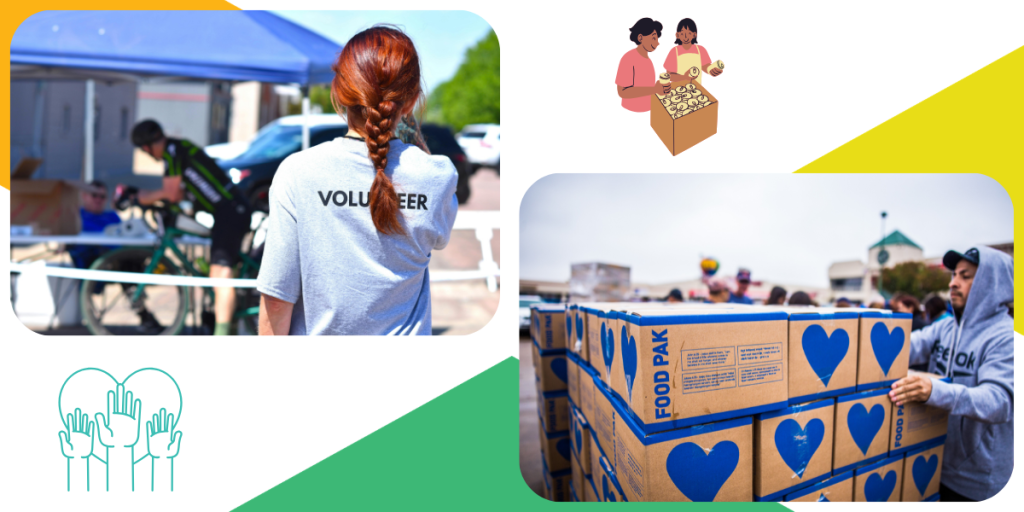
Adopting a hybrid approach transforms how nonprofits recruit, train, and collaborate with volunteers across different regions. Hosting orientations, skill-building workshops, and team breakout sessions virtually enables geographically diverse supporters to participate without travel barriers. Facilitating digital discussion groups encourages active collaboration, allowing your organization to build a larger, more inclusive network of dedicated advocates aligned with your cause.

One of the greatest advantages of hybrid events is achieving massive scale without proportionally increasing physical venue costs. Nonprofits dramatically reduce travel, catering, and lodging expenses for staff, speakers, and attendees while opening registration to a global audience. This dynamic scalability allows organizations to maximize their return on investment, redirecting saved operational funds directly toward program execution and community impact.

Maximizing attendance requires a multi-channel promotional strategy that highlights the flexibility of attending either in person or online. Utilize targeted email campaigns, active social media outreach, and partner networks to build momentum early. Clear messaging around event accessibility, paired with strategic registration incentives and automated reminders, ensures high conversion rates and keeps both remote and local supporters engaged leading up to event day.

Evaluating a hybrid event involves tracking real-time attendance, digital engagement metrics, total donations, and volunteer sign-ups across both participation tracks. Comparing virtual and in-person data provides deep insights into audience behavior, helping organizers optimize future event programming. Ultimately, these concrete analytics empower leadership to refine broader outreach strategies and clearly demonstrate return on investment to key stakeholders and major donors.
Summary
Here, we will discuss actionable strategies designed to help your nonprofit leverage hybrid event models, effectively amplifying your core mission and driving measurable growth. Hybrid events represent a transformative growth tool for nonprofits, delivering expanded reach, deeper donor engagement, streamlined volunteer participation, and remarkable cost efficiency.
By bridging physical and digital spaces, organizations connect with broader audiences while fulfilling strategic long-term goals. Ready to elevate your organization’s outreach? Leverage comprehensive event platforms like Chati to seamlessly host impactful, engaging hybrid events that accelerate your nonprofit's mission. Please contact Chati if you would like to learn how your nonprofit can benefit from one of our hybrid events.
Virtual experiences are rapidly transforming hospitality marketing and guest engagement, reshaping how hotels connect with audiences long before they step foot on the property. By bridging the physical and digital worlds, properties can significantly expand their global reach, deepen guest loyalty, and build pre-visit excitement.
Leveraging digital platforms allows hoteliers to showcase their brand's unique personality and stay top-of-mind in an increasingly competitive market. Here, we will discuss eight high-impact virtual experiences hotels can offer to engage guests and drive long-term brand affinity, including live cooking, destination experiences, virtual food tastings, and more.
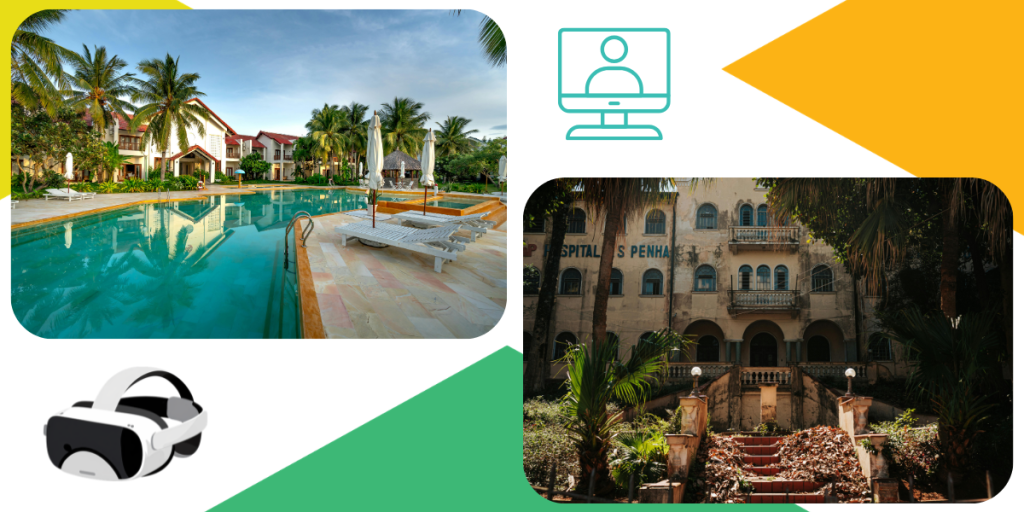
Virtual property tours offer potential guests an immersive, high-definition look at guest rooms, suites, and property amenities. By incorporating 360-degree views, hotels can effectively highlight unique architectural features, upscale décor, and signature facilities. Interactive hotspots within the tour allow users to click for deeper details on amenities, room features, or dining options, giving prospective visitors the confidence to book directly.

Hosting online cooking or mixology classes led by executive chefs or head bartenders brings the hotel's culinary brand straight into guests' homes. Hoteliers can share ingredient lists ahead of time so participants can follow along live, creating an interactive, sensory-driven connection. Recording these sessions provides valuable on-demand content that can be repurposed across social media channels and email campaigns to continuously engage food and beverage enthusiasts.

Hotels can stream live or on-demand yoga sessions, guided meditations, and fitness classes led by in-house instructors to support guest well-being anywhere in the world. Sharing curated wellness tips and daily routines empowers guests to recreate a peaceful, spa-like environment in their daily lives. Whether delivered pre-arrival, during a stay, or post-checkout, these virtual touchpoints reinforce the hotel's commitment to holistic hospitality.

Virtual destination tours allow properties to serve as local cultural ambassadors by highlighting nearby attractions, historical landmarks, and hidden gems. Partnering with local guides and storytellers gives online attendees authentic, insider perspectives that enrich their overall travel narrative. By immersing prospective travelers in the local culture prior to arrival, hotels spark wanderlust and position themselves as essential guides for the upcoming journey.

Behind-the-scenes virtual meet-and-greets provide an intimate look at hotel operations while introducing guests to the concierge team, general management, and key staff members. These interactive Q&A sessions give prospective visitors a direct channel to ask questions about local recommendations, hotel policies, or specialized requests. Putting familiar faces to the brand builds trust, humanizes the hotel experience, and establishes a personalized connection before check-in.

Organizing guided wine, cheese, or signature dish tasting sessions transforms passive viewers into active participants. Properties can send curated tasting kits or detailed recipes to attendees in advance, setting the stage for a shared culinary event. Incorporating live chat, real-time feedback, and interactive polls fosters a vibrant community feel that elevates the virtual gathering.

Exclusive virtual webinars and private experiences offer a powerful way to reward and retain top-tier loyalty program members. Hotels can grant members sneak peeks at upcoming property renovations, exclusive booking discounts, and early access to promotional offers. Delivering tailored content through these dedicated events strengthens brand affinity and makes valued guests feel truly appreciated.
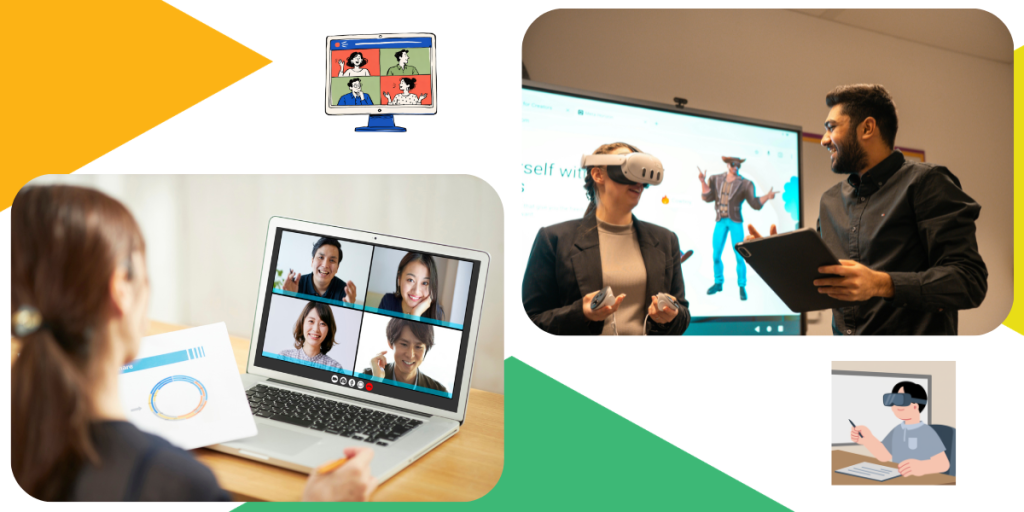
As remote and hybrid gatherings remain essential, hotels can market their venues for virtual weddings, corporate meetings, and private celebrations. Demonstrating how the hotel supports hybrid setups, through professional live streaming, interactive audience features, and virtual venue customization previews, opens new revenue streams. Positioned correctly, properties can seamlessly extend their high-touch event coordination services to audiences anywhere across the globe.
Summary
Here, we will discuss eight high-impact virtual experiences hotels can offer to engage guests and drive long-term brand affinity, including live cooking, destination experiences, virtual food tastings, and more. From immersive 360-degree property tours and live mixology classes to destination storytelling, wine tastings, and exclusive loyalty events, digital touchpoints provide endless opportunities to connect with modern travelers.
Embracing these eight virtual strategies helps hotels cultivate lasting loyalty, increase direct bookings, and establish a far-reaching international brand presence. To stand out in today's digital landscape, leverage platforms like Chati to host memorable, seamless virtual experiences that keep your hotel connected to guests worldwide. Please contact Chati if you would like to learn how we can host your next virtual event focusing on hotel experiences for worldwide audiences.
Webinars offer a direct line to highly qualified prospects by creating an immersive environment for real-time interaction. Unlike static content, live sessions excel at driving lead generation, fostering trust, and systematically nurturing potential customers throughout their buyer journey. Here, we will explore proven strategies for using webinars to generate high-value leads and convert them effectively into paying clients, including actionable content, channel promotion, post-webinar follow-ups, and more.
Identifying your ideal attendee profile is critical to building a high-converting webinar strategy. By using detailed audience segmentation, you ensure your presentation content resonates directly with prospects who are most likely to convert. Tailor every piece of messaging—from registration forms to promotional email invites and ad campaigns—to directly address their specific industry challenges.

Webinars must deliver genuine educational or problem-solving value to keep attendees engaged and invested. Incorporating live product demos, real-world case studies, or practical tutorials directly addresses your audience's most pressing pain points. Conclude your session by offering clear, actionable next steps or targeted promotional offers that naturally guide attendees into becoming qualified leads post-webinar.

Converting casual visitors into registered attendees requires high-converting, user-friendly landing pages built around compelling copy and prominent calls to action. Ensure registration forms capture essential follow-up details without introducing unnecessary friction that drives users away. Adding strong social proof, such as speaker credentials, attendee testimonials, or past success metrics, reinforces credibility and boosts conversion rates.
Maximize event reach by driving awareness across email marketing campaigns, social media channels, website banners, and strategic partner networks. Clear promotional messaging should emphasize the key benefits and actionable takeaways attendees will gain by participating. Additionally, sending automated reminder sequences leading up to the live event significantly reduces no-show rates and helps maximize total attendance.

Maintaining high attention and retention levels requires leveraging interactive tools like live polls, Q&A sessions, chat features, and gamification throughout the presentation. Active audience participation keeps attendees involved while giving your team real-time feedback. Collecting this engagement data allows marketing and sales teams to accurately score, rank, and prioritize the most interested leads for subsequent follow-up.
The conversion process extends well past the live presentation through prompt, targeted post-webinar follow-up campaigns. Distribute event recordings, downloadable resources, or personalized outreach based on individual attendee engagement levels and demonstrated interests. Nurture these warm leads continuously using automated email sequences, one-on-one consultation invites, or exclusive offers designed to drive them toward a buying decision.

Continuous optimization relies on tracking core metrics such as registration-to-attendance ratios, viewer engagement levels, and post-event conversion rates. Analyzing these data points helps identify your highest-potential leads while highlighting specific areas to refine in future presentations. Ultimately, demonstrating a clear return on investment proves the direct impact webinars have on sustainable business revenue growth.
Summary
Here, we will explore proven strategies for using webinars to generate high-value leads and convert them effectively into paying clients, including actionable content, channel promotion, post-webinar follow-ups, and more. Through this, you now have the tools and resources to host a successful webinar that focuses on lead generation while helping your audience achieve their personal and professional goals.
Driving consistent sales growth requires a comprehensive approach covering audience targeting, high-value content, live engagement, and structured follow-up. When executed strategically, webinars serve as one of the most powerful engines for scalable lead generation and customer acquisition. Take your strategy to the next level by leveraging platforms like Chati to host seamless, lead-generating webinars efficiently. Please contact Chati if you would like to learn how we can host a successful webinar focused on lead generation.
Hybrid events seamlessly blend in-person and virtual experiences to significantly expand donor reach. They offer a multitude of benefits, including wider overall participation, interactive engagement, measurable impact, and unmatched convenience for attendees. To help you leverage these advantages, we will discuss eight innovative hybrid fundraising ideas designed to maximize donor contributions, including hybrid charity runs, hybrid concerts, multi-day fundraising events, and more.

Organizations can host a formal fundraising gala for in-person attendees while offering a simultaneous virtual stream. The event should feature live auctions, performances, and guest speakers tailored for both audiences. To keep online participants engaged, organizers can offer virtual-exclusive perks or special recognition.

Nonprofits can encourage supporters to create individual fundraising pages and compete for exciting prizes. Integrating social media sharing and progress tracking ensures all participants stay connected throughout the campaign. By combining physical activities with virtual tools, these challenges effectively broaden organizational reach.

Participants are given the flexibility to join a traditional route in person or track their steps virtually from anywhere. Event managers provide tracking apps, real-time leaderboards, and interactive fundraising milestones to keep everyone motivated. The event concludes with a unified closing ceremony that celebrates achievements across both audiences.

Auctions can be hosted so that attendees can browse and bid whether they are physically present or logging in online. Incorporating live-streamed presentations of items with integrated bidding across platforms creates a cohesive experience. Mobile-friendly participation ensures virtual donors can place bids effortlessly from their devices.

Nonprofits can share mission-related content through live presentations coupled with interactive virtual Q&A sessions. Strategic fundraising asks or campaign updates can be incorporated smoothly during or after the presentation. Recording these sessions allows for on-demand access, extending donor engagement well past the live date.

This concept features live entertainment with on-site guests alongside high-quality live-streamed performances for remote viewers. Hosts can offer unique digital options, such as virtual VIP experiences or exclusive backstage access. Integrated donation prompts and ticket sales across both physical and digital touchpoints help maximize overall revenue.
Organizations can host hands-on physical activities while maintaining live-stream participation for remote supporters. Encouraging collaborative projects, impact tracking, and interactive updates keeps everyone aligned on the mission. A successful event highlights real-time contributions and celebrates volunteer participation as it happens.

A hybrid festival combines workshops, keynote talks, performances, and networking opportunities over several days. Virtual attendees can join key sessions and stay active through live polling and chat features. Implementing gamification, challenges, or milestones helps incentivize donations across both physical and digital audiences.
Summary
By leveraging galas, peer-to-peer challenges, charity runs, auctions, webinars, concerts, volunteer events, and festivals, nonprofits can completely transform their outreach. Combining in-person and virtual engagement consistently drives higher participation, increased overall donations, and greater supporter satisfaction.
To achieve these results, non-profits can leverage platforms like Chati to host immersive, highly interactive hybrid fundraising events. Please contact Chati if you're interested in learning how we can help you organize your next hybrid event focusing on fundraising and maximizing donor impact.
Webinars are rapidly becoming essential for retail customer engagement, offering a dynamic way to connect directly with shoppers. Hosting live sessions allows brands to demonstrate products, educate buyers, increase long-term loyalty, and directly drive conversions. Here, we will discuss ten actionable strategies that will help you host highly engaging retail webinars that elevate your brand and boost sales performance, including themed webinars, brand ambassador features, customer spotlight, and more.

Product demonstration webinars allow you to showcase items live using clear visuals that highlight key features and benefits in action. Seeing products used in real time builds buyer confidence and removes purchasing hesitation. Integrating a live Q&A session further enhances value by answering specific customer questions instantly, turning curious viewers into ready buyers.

Seasonal or themed webinars align your brand with upcoming holidays, current trends, or special promotional periods. Incorporating limited-time offers, exclusive discounts, or live giveaways during these events creates immediate excitement and urgency. This strategy drives higher attendance while encouraging viewers to make rapid purchasing decisions before the seasonal promotion ends.

Customer tutorial and how-to sessions focus on teaching buyers how to get the maximum value out of their purchases. Providing clear step-by-step guides, insider tips, and practical tricks builds long-term brand affinity. Recording these sessions for on-demand access ensures your educational content continues reaching and engaging new customers long after the live broadcast ends.
Partnering with influencers or brand ambassadors to co-host webinars lets you leverage their established followings to boost overall registrations. Their active participation lends instant credibility to your products and encourages cross-platform social media sharing. This collaborative approach significantly expands your audience reach, introducing your retail brand to new, highly engaged customer segments.

Interactive Q&A webinars center entirely on direct customer communication, providing a platform to address inquiries, product concerns, and brand details openly. Utilizing live polls, chat features, and real-time surveys keeps participants actively involved throughout the session. This high level of transparency fosters genuine trust, turning casual shoppers into loyal brand advocates.

Customer spotlight webinars feature real stories, genuine testimonials, and practical product applications from your most loyal buyers. Highlighting authentic experiences builds credibility and validates your product quality through peer proof. Celebrating your community in this way strengthens brand advocacy, encouraging other customers to share their own positive experiences with your retail brand.

Virtual workshops provide interactive, hands-on experiences such as DIY projects, personalized styling sessions, or custom product tutorials. Incorporating breakout rooms and live demonstrations ensures participants stay actively involved throughout the event. Supplying downloadable resources after the workshop gives attendees lasting material, extending engagement long after the live broadcast concludes.

Exclusive VIP webinars offer private sessions tailored specifically for loyalty program members and high-value customers. Providing early access to new product reveals, upcoming services, or secret sales makes participants feel truly valued. This premium treatment strengthens customer retention, deepens brand loyalty, and drives higher lifetime value from your most dedicated retail buyers.
Gamified webinars bring fun to product education by incorporating live quizzes, quick polls, and interactive challenges. Rewarding active participation with digital badges, exclusive discount codes, or special prizes keeps viewers fully attentive. This entertaining approach keeps energy levels high while naturally conveying key product information that drives immediate post-event sales.

Follow-up and on-demand content extends customer engagement far beyond the live session. Sending post-webinar emails with event recordings, extra resources, and targeted promotions allows you to segment your audience for customized marketing campaigns. This ongoing nurturing strategy maximizes your return on investment by continuing to drive conversions from replay viewers.
Summary
Here, we discussed ten actionable strategies that will help you host highly engaging retail webinars that elevate your brand and boost sales performance, including themed webinars, brand ambassador features, customer spotlight, and more. You now have the tools and resources to host a successful and impactful webinar focused on retail customer engagement.
Implementing these ten strategies transforms how retail brands engage consumers. Delivering interactive, educational content builds lasting loyalty, deepens audience connection, and directly increases sales. Get started today by leveraging powerful platforms like Chati to host high-impact, engaging webinars for your retail customers. Please contact Chati if you would like to see how we can host your next webinar focused on retail customer engagement.
Webinars play a growing role in healthcare education, training, and outreach. They provide major benefits for medical professionals, patients, and organizations by improving accessibility, boosting engagement, and streamlining knowledge sharing. Here, we discuss how healthcare webinars effectively educate audiences while fostering meaningful connections across the medical community. Through this, you will have the knowledge and tools to host a successful healthcare webinar designed to educate and connect to worldwide audiences.

Webinars streamline medical training, Continuing Medical Education (CME), and research updates. Presenters use live case studies, clinical demonstrations, and interactive Q&A sessions to deliver effective learning. Key benefits include continuing ongoing education without travel, maintaining cost-effective training, and offering flexible scheduling for busy medical professionals.

Webinars help teach patients about health conditions, treatments, and wellness programs. Presenters incorporate interactive tools such as polls, Q&A sessions, and live demonstrations of exercises or care procedures. Providing accessible education through these virtual channels builds trust and empowers patients to take an active role in their health.

Healthcare organizations use webinars for public health initiatives, awareness campaigns, and support communities. These virtual events offer high scalability, reaching local, regional, or global audiences efficiently. By eliminating physical boundaries, virtual events foster active engagement and long-term collaboration across broader healthcare networks.
Interactive tools like polls, chat, Q&A, and breakout sessions increase participant involvement. Presenters can also incorporate gamification to improve retention of medical information or patient education guidelines. Additionally, gathering real-time feedback during the session allows speakers to tailor content and improve overall learning outcomes.

Organizers can track attendance, engagement metrics, and learning outcomes for CME or professional development. Utilizing post-event surveys and feedback helps assess patient comprehension and satisfaction. Ultimately, evaluating these metrics demonstrates ROI and the overall impact of webinars for internal reporting and strategic planning.

Organizers must ensure webinars are accessible by offering closed captions, screen-reader compatibility, and multilingual support. Scheduling sessions across various time zones accommodates global professional audiences. Emphasizing inclusive design ultimately broadens event reach and maximizes overall participation.
Summary
Here, we discuss how healthcare webinars effectively educate audiences while fostering meaningful connections across the medical community. Through this, you will have the knowledge and tools to host a successful healthcare webinar designed to educate and connect to worldwide audiences.
Healthcare webinars successfully educate professionals, engage patients, and connect communities. They play an essential role in modern healthcare delivery, training, and outreach. To achieve maximum impact, leverage platforms like Chati to host professional, highly interactive healthcare webinars. Please contact Chati if you would like to hear how we can help you host a successful healthcare-based webinar.