Discover how Chati's self-service licenses give you full control - build, update, and launch virtual events on your terms. Register for our free webinar today!
Hybrid events combine in-person and virtual participation to reach broader audiences. For public sector organizations, this format boosts transparency, community engagement, accessibility, and real-time feedback. Below are ten practical strategies for government agencies to host effective hybrid events, giving you the tools to deliver an impactful experience that supports your attendees' personal and professional goals. These include defining objectives, promoting widely, use accessible tech, engage all participants, ensure quality content, offer on-demand access, and more.

Begin by identifying the main purpose, whether it is a public consultation, town hall, policy update, or educational outreach. From there, tailor the content and engagement strategies specifically for both in-person and virtual audiences. Finally, ensure measurable outcomes are established, such as tracking attendance, feedback, or participation metrics.
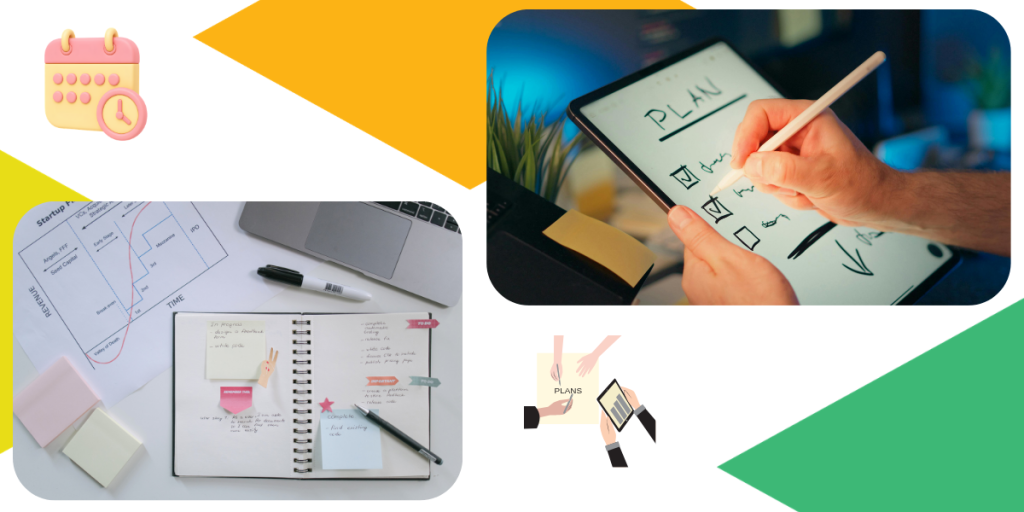
Promote your event across multiple channels—including social media platforms, email newsletters, official websites, and local media outlets—to ensure maximum public outreach. Clearly emphasize both in-person and virtual participation options so attendees can easily choose the format that best fits their needs. Finally, provide direct, user-friendly registration links and send automated, timely reminders to boost attendance and keep participants informed.

Select digital platforms that support key features like live streaming, interactive polls, and Q&A sessions. Ensure full compatibility with mobile devices as well as accessibility features like captions and screen readers. Always test all tech in advance to avoid unexpected glitches during the live event.

Include interactive elements like polls, live Q&A, and chat features to keep the audience involved. Assign dedicated moderators to monitor virtual questions and incoming feedback continuously. Through these steps, encourage equal participation from all attendees regardless of how they join.

To ensure high-quality production, invest in professional-grade cameras, dedicated microphones, and balanced lighting setup to deliver sharp visuals and crystal-clear audio. Enhance speaker presentations by seamlessly integrating supportive visual aids—such as well-designed slides, informative infographics, and dynamic video clips—to keep the audience engaged. Throughout the presentation, keep all written and spoken content concise, structured, and easy for every attendee to follow.

Record the sessions for citizens who cannot attend the live broadcast. Additionally, provide downloadable resources or written summaries for quick reference later. This practice extends community engagement and government transparency well beyond the event date.

Utilize breakout sessions, workshops, or post-event surveys to gather valuable citizen input. Encourage active discussion among participants to help build meaningful community engagement. Finally, implement feedback loops to show citizens that their input genuinely matters.
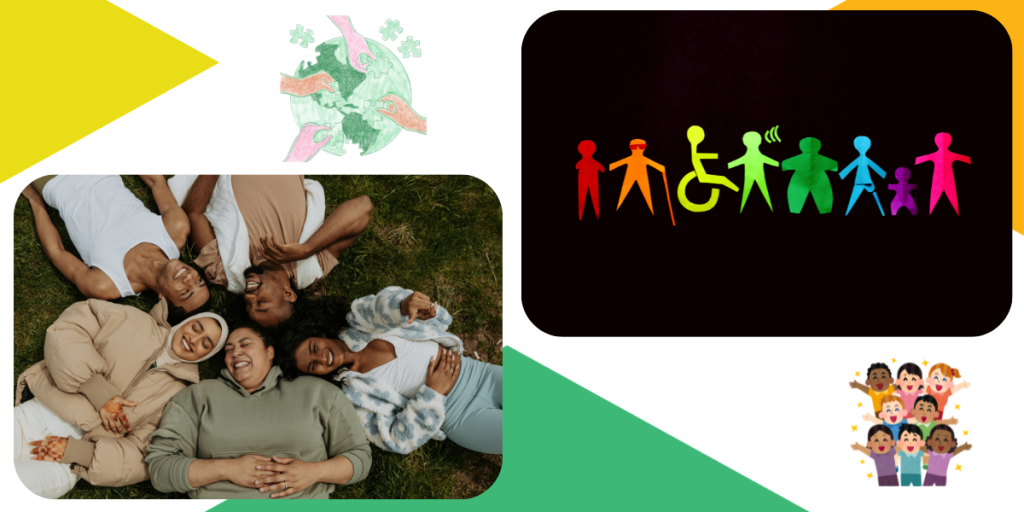
Offer translation services or multilingual content where applicable to reach diverse populations. Ensure all physical and digital aspects of the events accommodate people with disabilities. Lastly, consider different time zones when planning virtual participation opportunities.

Track key metrics such as overall attendance, active engagement, and participant feedback. Carefully analyze this data to continuously improve future hybrid events. Finally, provide detailed reports to stakeholders to demonstrate transparency and measurable impact.

Send comprehensive summaries, recordings, and event updates to all registered participants. Thank citizens for taking the time to participate and encourage their ongoing engagement. To close the loop, share tangible outcomes or next steps based directly on the event's discussions.
Summary
Here, we discussed ten practical strategies for government agencies to host effective hybrid events, including define objectives, promote widely, use accessible tech, engage all participants, ensure quality content, offer on-demand access, foster collaboration, promote inclusivity, leverage analytics, and follow up.

Adopting these hybrid events increases transparency, citizen trust, and overall participation. Take action today by leveraging platforms like Chati to host interactive hybrid government events that inform, involve, and connect communities. Please contact Chati if you're interested in hosting a hybrid event for government agencies while focusing on attendee personal and professional goals.
Virtual events enable individuals worldwide to share ideas and collaborate while achieving personal and professional goals. However, this can be difficult for some individuals due to a lack of access to the overall or specific aspects of the virtual event, including presentations, group discussions, live Q&A, and more. This is why the importance of making virtual events accessible to all attendees is paramount for a successful experience for everyone.
Here, we will discuss the benefits of accessibility, inclusivity, compliance, and broadening audience reach for virtual events, including key accessibility features, virtual event tools, best practices, ensuring compliance, along with legal requirements, like Americans with Disabilities Act (ADA) compliance, that make accessibility a must for virtual events. Through this, you will have the necessary resources to host fully accessible virtual events while maximizing engagement and enabling your attendees to achieve their personal and professional goals.
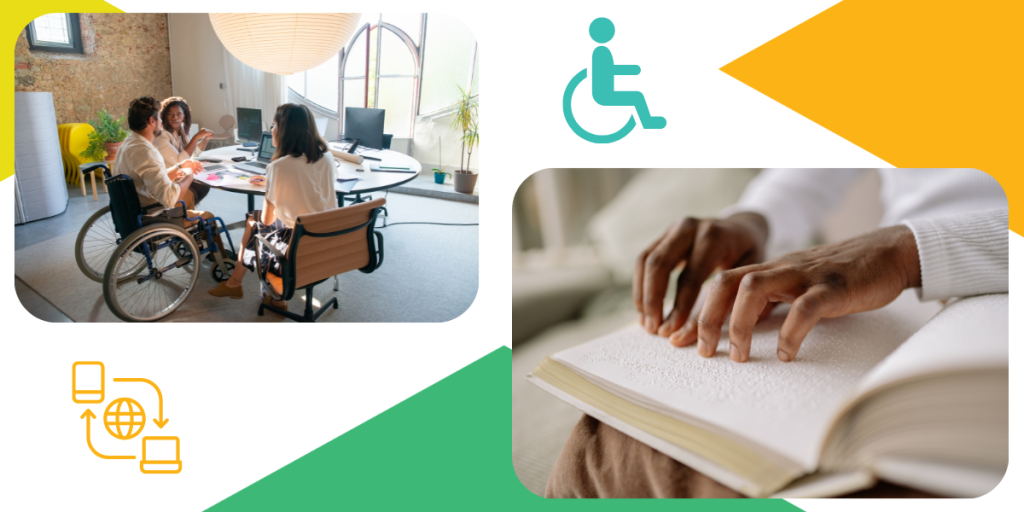
There are many legal and ethical reasons for ensuring accessibility in virtual events, including ADA and Section 508 of the Rehabilitation Act. The ADA became federal law in 1990 and blocks discrimination against disabled individuals in many areas, including employment, public accommodations, transportation, telecommunications, and government services. To complement this, Section 508 of the Rehabilitation Act ensures federal government electronic information is accessible to disabled individuals.
Virtual event accessibility enormously impacts attendees with disabilities, ensuring they have equal experience, ranging from the virtual exhibit hall to the speaker presentations to the live Q&A to breakout rooms. Providing an equal virtual event experience ensures they have equal opportunities for success.
Finally, accessibility features improve overall attendee engagement and satisfaction by ensuring attendees with disabilities can contribute to meaningful and impactful discussions throughout the virtual event.

There are several key features to ensure maximum accessibility for your virtual event, including one of the most common accessibility features, which is closed captioning and subtitles, by providing real-time captions for audio content. Additionally, screen reader compatibility ensures event platforms are compatible with assistive technologies; audio descriptions provide narration of non-verbal elements for attendees with visual impairments; sign language interpretation provides live sign language interpreters during sessions, and customizable user interfaces allow attendees to adjust text sizes; colors and fonts to meet personal need.
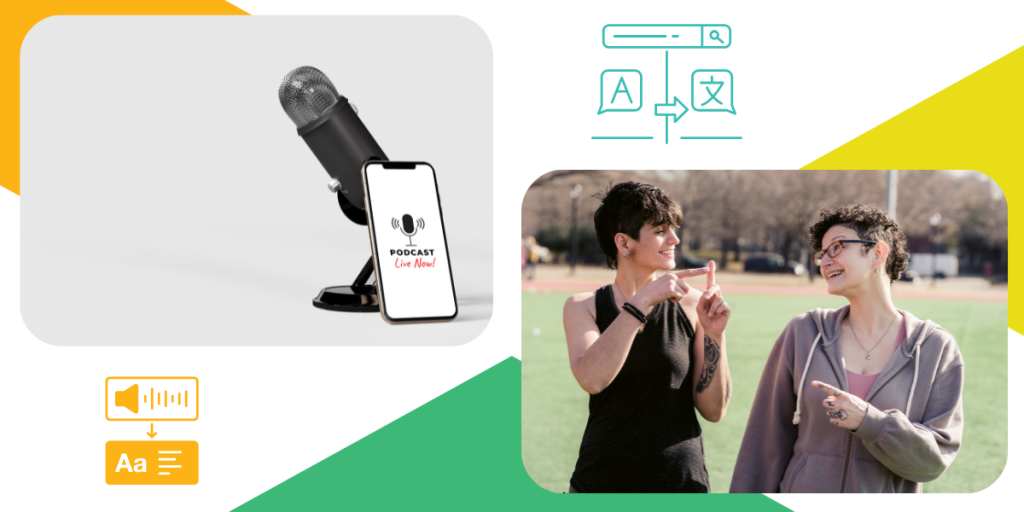
Virtual event platforms provide several built-in accessibility features, including integrating third-party tools for accessibility, like closed captioning services and sign language apps. Additionally, the role of AI in real-time translations, voice recognition, and automatic transcription ensures greater accessibility. Through this, you highlight the importance of technological integration into your virtual event, thus providing greater accessibility for individuals with disabilities and other needs.
Designing inclusive event content is crucial to ensuring all visual elements, text, and audio are accessible to everyone, including attendees and guest speakers. Additionally, offering multiple communication formats like text, audio, and video to cater to different needs and ensuring that registration forms, event navigation, and live chats are accessible to all is vital for providing a seamless experience. Finally, testing event accessibility, like running tests and gathering feedback from attendees with disabilities, ensures everything operates at peak capacity and backup plans are in place for technical glitches.
Understanding and implementing legal requirements (ADA, WCAG, and Section 508) are essential for ensuring maximum compliance for accessibility features for your virtual events, resulting in maximum engagement and connectivity for attendees and guest speakers. Additionally, the importance of accessibility audits before, during, and after the virtual event ensures seamless compliance with legal requirements and can be accomplished by partnering with accessibility consultants to ensure full compliance and inclusivity.
Technology like AI, virtual reality and augmented reality (VR/AR), and smart devices are enhancing accessibility by providing additional avenues for attendees with disabilities and other needs to engage, connect, and collaborate with each other throughout the virtual event. As a result, predictions for more seamless and innovative solutions for accessibility in virtual events include increased attendance and engagement, which contribute to growing awareness and the increasing demand for accessibility in the events industry.
Summary
Here, we discussed the benefits of accessibility, inclusivity, compliance, and broadening audience reach for virtual events, including key accessibility features, virtual event tools, best practices, ensuring compliance, along with legal requirements, like Americans with Disabilities Act (ADA) compliance, that make accessibility a must for virtual events.

We encourage event planners to prioritize accessibility in their event design and stay updated on how Chati can improve our goal of providing virtual events that are accessible to everyone. Through this, we ensure individuals with disabilities or other needs can equally contribute to the virtual event in all aspects, resulting in a more impactful experience for everyone. Feel free to contact Chati while exploring how accessibility features in virtual events can help create a more diverse and inclusive future.