Discover how Chati's self-service licenses give you full control - build, update, and launch virtual events on your terms. Register for our free webinar today!
Webinars serve as a vital tool for healthcare leadership, offering executives and decision-makers valuable insights, networking opportunities, and professional development. Through effective knowledge sharing and thought leadership, these virtual sessions enable leaders to stay ahead of rapidly evolving healthcare trends.
Here, we will discuss ten engaging webinar topics that stand out for healthcare executives looking to drive innovation and organizational success, including data analytics and AI, value-based care, regulatory compliance, and more. Through this, you will have the tools and resources to host a successful and impactful webinar focused on healthcare while educating a worldwide audience.
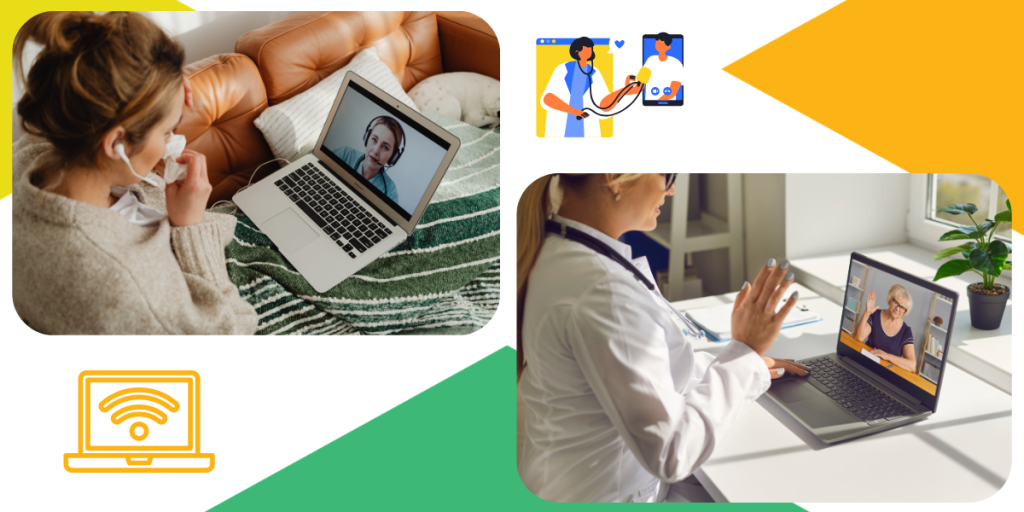
This webinar topic focuses on emerging telemedicine technologies and virtual care platforms transforming the medical landscape. Presentations explore strategic frameworks for seamlessly integrating telehealth into existing patient care models. Additionally, sessions address critical regulatory and privacy considerations to ensure compliant, secure digital care delivery.
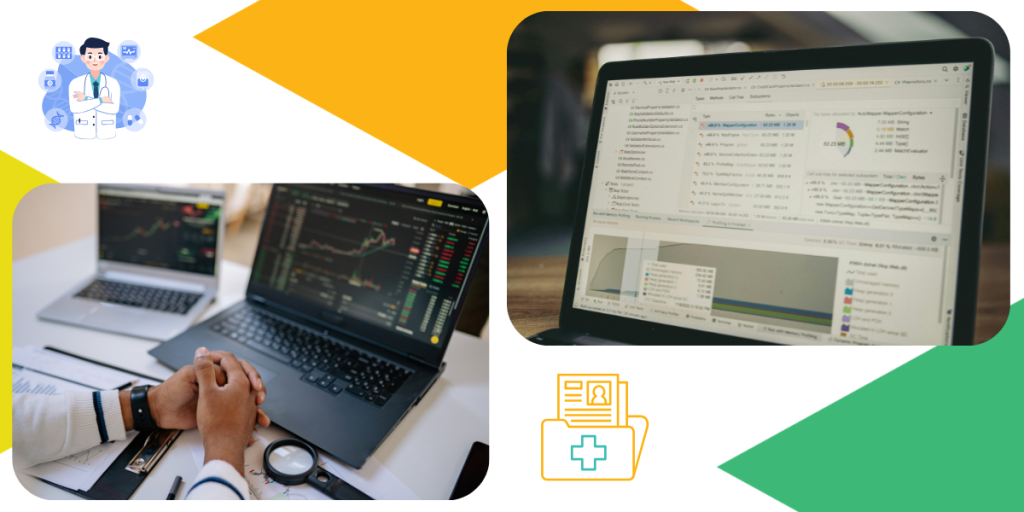
Data analytics and artificial intelligence are revolutionizing operational efficiency and clinical outcomes. This topic examines real-world case studies showcasing predictive modeling and AI-driven diagnostics in action. Discussions also highlight common adoption challenges and outline best practices for successful implementation across healthcare systems.

Elevating patient satisfaction relies heavily on modern communication strategies and digital engagement tools, such as interactive patient portals and feedback systems. Webinars centered on this topic explore proven approaches to patient-centered care. Attendees gain actionable insights from success stories and measurable performance metrics.

Transitioning to value-based care requires balancing improved patient outcomes with effective cost controls. This topic covers targeted strategies for care coordination and proactive risk management. Sessions detail performance measurement and reporting techniques that keep organizations aligned with population health goals.

Addressing the modern healthcare labor market requires robust staff training, retention strategies, and strong leadership development. Webinars in this area explore cutting-edge virtual learning and simulation technologies designed for modern healthcare teams. Presenters also offer guidance on adapting to shifting workforce needs in a post-pandemic environment.

Staying up to date on evolving healthcare regulations, HIPAA guidelines, and quality standards is essential for risk mitigation. This topic provides actionable steps to ensure compliance across both clinical and digital operations. Real-world case studies illustrate best practices for maintaining organizational integrity under regulatory scrutiny.

Novel medical devices, novel treatments, and digital tools continue to transform patient care delivery. This webinar focuses highlights early-adopter case studies and practical lessons learned from technology rollouts. Discussions also analyze investment priorities and ROI considerations to help leaders evaluate emerging solutions.
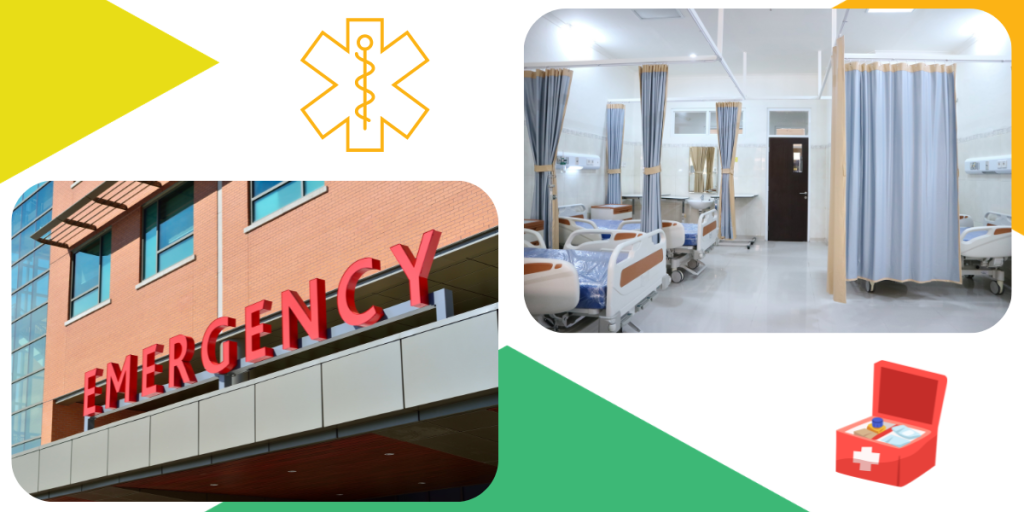
Healthcare organizations must remain resilient against diverse threats, ranging from global pandemics to cyberattacks and natural disasters. Webinars dedicated to crisis management share practical response strategies and leadership decision-making frameworks. Sessions analyze key lessons learned from recent events to help institutions prepare for future emergencies.

Navigating financial pressures demands strategic cost reduction, streamlined revenue cycle management, and enhanced operational efficiency. This topic explores technology-driven solutions designed to optimize financial performance across health networks. Expert insights from healthcare CFOs and financial leaders offer practical pathways to long-term fiscal stability.

Promoting inclusive leadership and delivering equitable care are paramount priorities for modern healthcare organizations. This webinar topic examines impactful initiatives, along with strategies for community engagement, measurement, and transparency. Highlighted success stories demonstrate how leading organizations foster equity within their workforces and patient communities.
Summary
Here, we discussed ten engaging webinar topics that stand out for healthcare executives looking to drive innovation and organizational success, including data analytics and AI, value-based care, regulatory compliance, and more. Through this, you now have the tools and resources to host a successful and impactful webinar focused on healthcare while educating a worldwide audience.
By embracing webinars as dynamic tools for continuous learning, cross-industry collaboration, and strategic growth, healthcare organizations can continuously upskill their leadership teams. Leveraging interactive platforms like Chati enable organizations to host insightful, high-impact webinars that inform, engage, and inspire the next generation of healthcare leaders. Please contact Chati if you would like to host a healthcare-focused webinar while reaching a worldwide audience.
Virtual events are transforming healthcare by expanding education, training, and outreach. By increasing global reach, improving cost efficiency, and boosting engagement for patients and professionals alike, these digital platforms have become essential tools. Here, we will discuss seven actionable strategies to deliver high-quality, accessible, and interactive medical programming to a diverse audience. Through this, you will be able to host a successful and impactful virtual event focused on healthcare organizations while maximizing attendee engagement.
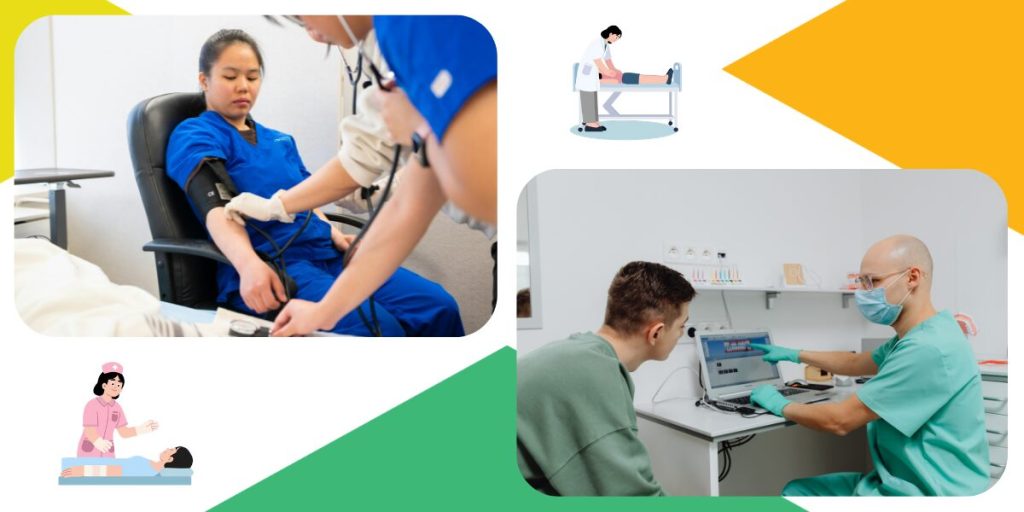
Healthcare organizations can expand impact by providing accessible health education and disease awareness programs. Incorporating interactive Q&A sessions addresses specific patient concerns in real-time, while offering recorded, on-demand access ensures that vital medical information remains available to a wider audience.
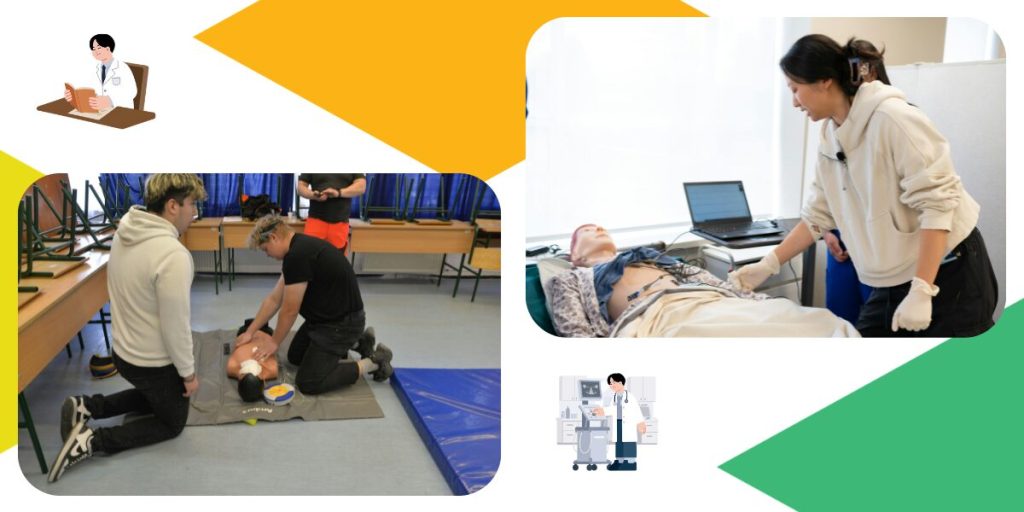
Virtual CME sessions provide healthcare professionals with flexible, high-quality training. By incorporating live workshops and interactive case studies, organizations can enhance learning outcomes. Digital tracking of attendance and automated certification ensures a streamlined experience while maintaining professional standards and maximizing global participation.

Virtual conferences unite healthcare stakeholders through digital keynotes, panels, and interactive breakout sessions. By replicating the in-person experience and utilizing global networking tools, these events foster collaboration among providers and researchers, ensuring high-level knowledge exchange without the barriers of travel.

Virtual events allow for the seamless showcase of new medical devices and treatments. By combining live demonstrations with interactive Q&A and providing downloadable follow-up resources, organizations can engage participants globally, ensuring a deep understanding of innovative healthcare solutions and their applications.

Virtual events enable healthcare organizations to train staff across multiple locations simultaneously. By sharing policy updates and research through interactive polls and discussions, administrators ensure consistent standards of care. These digital exercises promote active engagement and efficient knowledge transfer throughout the workforce.

Virtual events facilitate healthcare fundraising and awareness by connecting supporters globally. By hosting digital charity walks and webinars, organizations engage patients and families regardless of location. Integrating gamified challenges and social media tools further amplifies reach, driving donations and community support through interactive, accessible platforms.

Virtual patient panels and support groups provide a platform for gathering vital feedback on care delivery. By hosting these sessions and sharing follow-up outcomes, healthcare organizations foster transparency and trust, ensuring that patient insights directly shape and improve future services.
Summary
Here, we discussed how healthcare organizations can drive measurable impact by utilizing these seven strategies: education, professional training, conferences, demos, collaboration, fundraising, and engagement panels. These digital tools enable providers to reach vast global audiences while deepening engagement through interactive features.
To achieve superior results and deliver high-quality healthcare programming, explore platforms like Chati to plan and host your next impactful virtual event. Please contact Chati to learn how you can host a successful and impactful healthcare-based virtual event.