Discover how Chati's self-service licenses give you full control - build, update, and launch virtual events on your terms. Register for our free webinar today!
Webinars play a growing role in healthcare education, training, and outreach. They provide major benefits for medical professionals, patients, and organizations by improving accessibility, boosting engagement, and streamlining knowledge sharing. Here, we discuss how healthcare webinars effectively educate audiences while fostering meaningful connections across the medical community. Through this, you will have the knowledge and tools to host a successful healthcare webinar designed to educate and connect to worldwide audiences.

Webinars streamline medical training, Continuing Medical Education (CME), and research updates. Presenters use live case studies, clinical demonstrations, and interactive Q&A sessions to deliver effective learning. Key benefits include continuing ongoing education without travel, maintaining cost-effective training, and offering flexible scheduling for busy medical professionals.
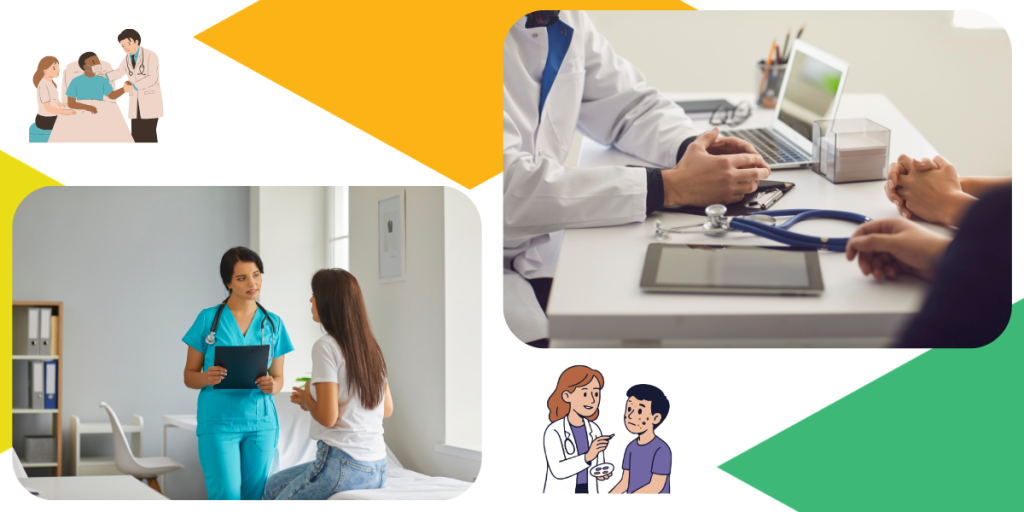
Webinars help teach patients about health conditions, treatments, and wellness programs. Presenters incorporate interactive tools such as polls, Q&A sessions, and live demonstrations of exercises or care procedures. Providing accessible education through these virtual channels builds trust and empowers patients to take an active role in their health.
Healthcare organizations use webinars for public health initiatives, awareness campaigns, and support communities. These virtual events offer high scalability, reaching local, regional, or global audiences efficiently. By eliminating physical boundaries, virtual events foster active engagement and long-term collaboration across broader healthcare networks.
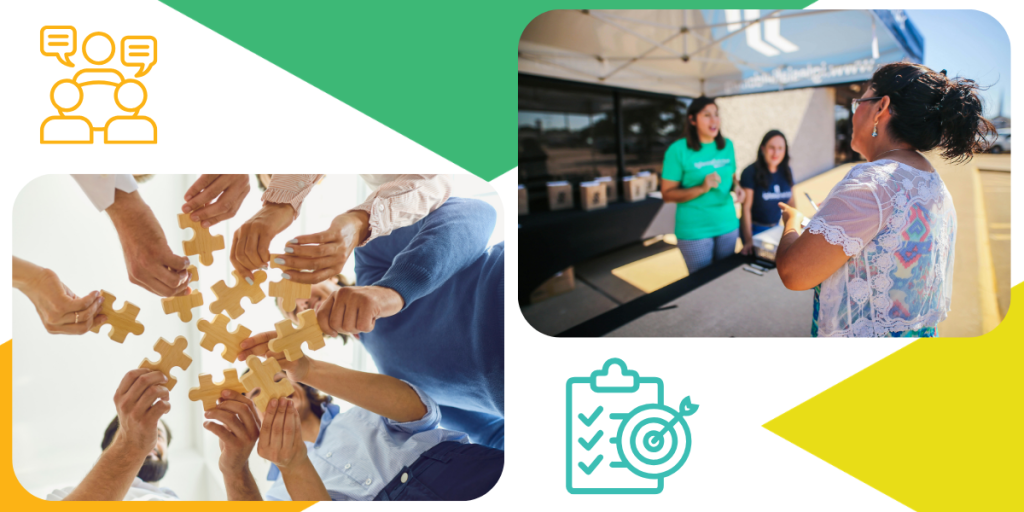
Interactive tools like polls, chat, Q&A, and breakout sessions increase participant involvement. Presenters can also incorporate gamification to improve retention of medical information or patient education guidelines. Additionally, gathering real-time feedback during the session allows speakers to tailor content and improve overall learning outcomes.
Organizers can track attendance, engagement metrics, and learning outcomes for CME or professional development. Utilizing post-event surveys and feedback helps assess patient comprehension and satisfaction. Ultimately, evaluating these metrics demonstrates ROI and the overall impact of webinars for internal reporting and strategic planning.

Organizers must ensure webinars are accessible by offering closed captions, screen-reader compatibility, and multilingual support. Scheduling sessions across various time zones accommodates global professional audiences. Emphasizing inclusive design ultimately broadens event reach and maximizes overall participation.
Summary
Here, we discuss how healthcare webinars effectively educate audiences while fostering meaningful connections across the medical community. Through this, you will have the knowledge and tools to host a successful healthcare webinar designed to educate and connect to worldwide audiences.
Healthcare webinars successfully educate professionals, engage patients, and connect communities. They play an essential role in modern healthcare delivery, training, and outreach. To achieve maximum impact, leverage platforms like Chati to host professional, highly interactive healthcare webinars. Please contact Chati if you would like to hear how we can help you host a successful healthcare-based webinar.
Virtual events have become essential in healthcare post-pandemic, enabling accessible medical training, global conferences, patient education, and community outreach. These platforms support collaboration, knowledge sharing, and engagement across distances. Here, we explore why healthcare professionals and organizations are increasingly adopting virtual formats, including their benefits in enhancing learning, communication, and public health impact. Through this, you will be able to host a successful healthcare-themed virtual event while prioritizing attendee engagement and education.
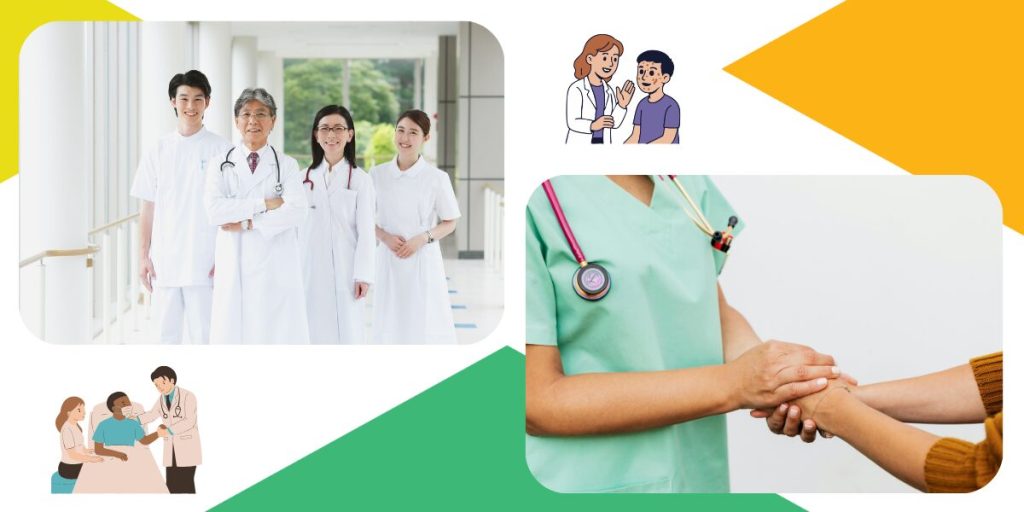
Virtual healthcare events now power global connection and learning. Medical conferences and seminars unite doctors, nurses, and researchers worldwide without travel barriers. Patient education sessions provide valuable insights into various conditions and wellness topics. Community health events effectively engage diverse populations. These formats expand reach, reduce costs, and connect broader audiences with fewer logistical constraints.
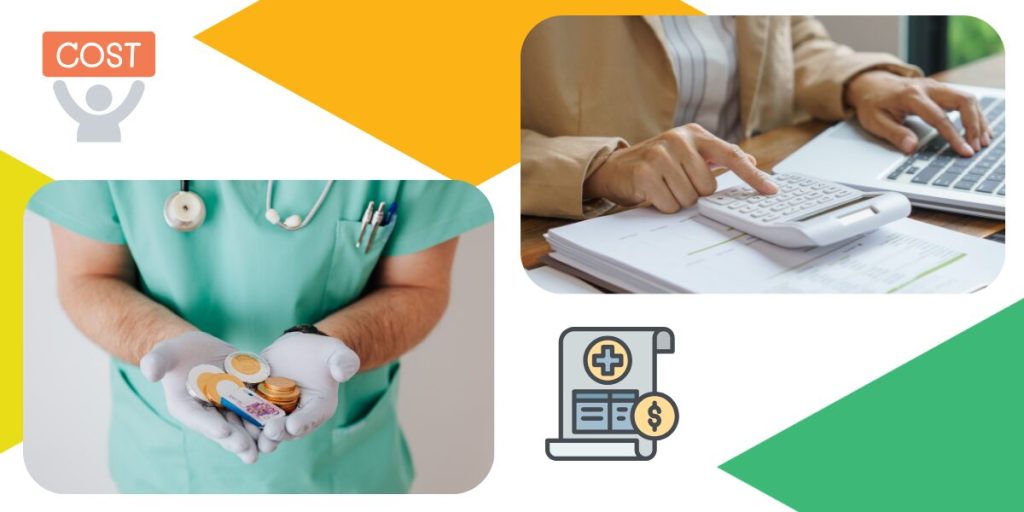
Virtual events help healthcare organizations save on venues, travel, accommodations, and printed materials. These savings can be redirected toward enhanced content, advanced technology, and broader outreach. Hospitals and medical associations increasingly leverage virtual platforms to maximize ROI, improving education, engagement, and access while reducing operational costs and environmental impact.
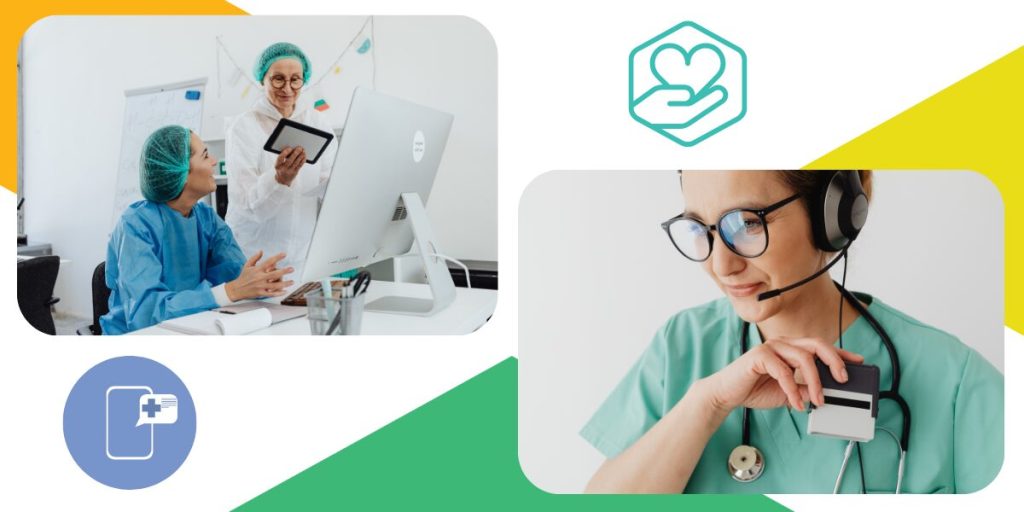
Interactive Q&A sessions, live polls, chat rooms, and breakout sessions encourage active participation. Virtual demonstrations and case studies enable real-time learning experiences. Gamification elements and certification opportunities further enhance attendee motivation, engagement, and knowledge retention in healthcare virtual events, thereby improving overall learning effectiveness and satisfaction.

Virtual healthcare events provide live-streamed and on-demand sessions, enabling multi-location staff and global participants to join without disrupting their work schedules. This flexibility simplifies recurring training, CME programs, and symposiums, ensuring consistent access to education and professional development across time zones and institutions.
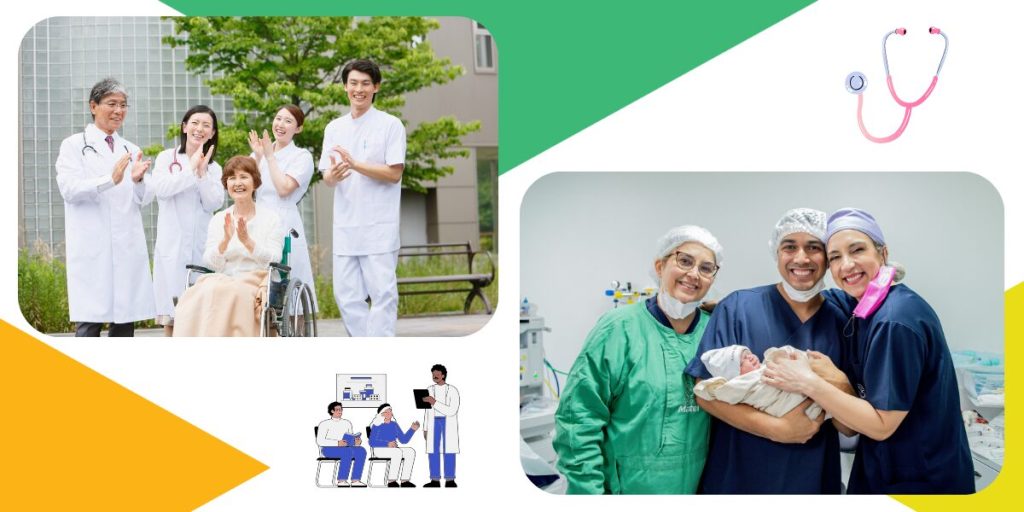
Virtual platforms enable tracking of attendance, participation, and engagement for internal evaluation. Attendee feedback helps assess the quality and effectiveness of the content. These analytics support compliance tracking, CME reporting, and accreditation requirements, ensuring accountability and continuous improvement in healthcare education and professional development initiatives.
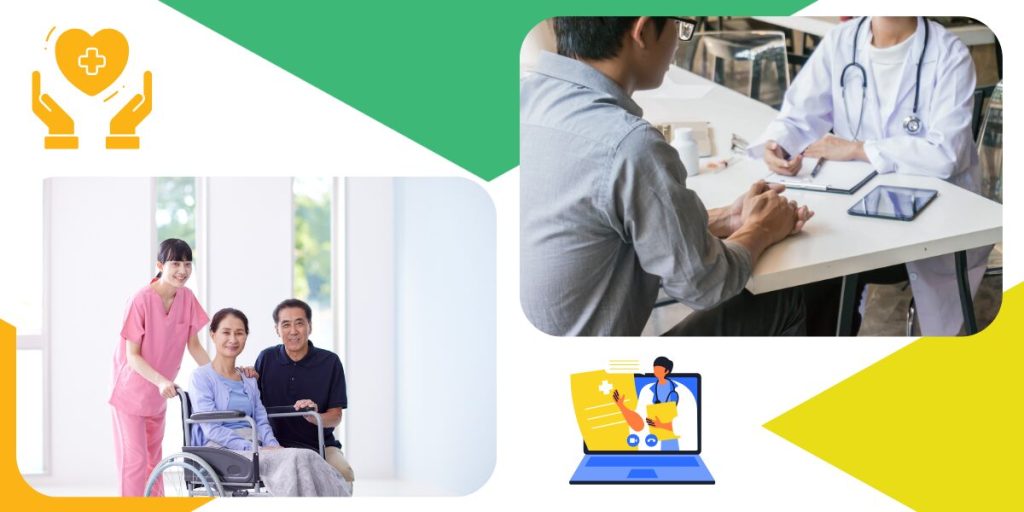
By reducing travel, virtual healthcare events lower carbon footprints and supporting socially responsible practices. They also promote global knowledge sharing and collaboration, enabling healthcare professionals to connect and learn without being constrained by geography or environment.
Summary
Here, we discussed how virtual healthcare events offer broader reach, cost efficiency, engagement, flexibility, and measurable outcomes. By integrating them into ongoing education and outreach efforts, organizations can enhance their impact and accessibility. Healthcare professionals should consider platforms like Chati to host secure, compliant, and interactive virtual events that advance learning and collaboration worldwide.
Please contact Chati to find out more about how we can organize and host exciting and impactful virtual events focused on healthcare while helping your attendees achieve their personal and professional goals.