Discover how Chati's self-service licenses give you full control - build, update, and launch virtual events on your terms. Register for our free webinar today!
Virtual events have helped highlight the evolving global academic landscape and reveal how international student mobility and trans-national education rely heavily on digital-first engagement. This is because in-person fairs and campus tours remain limited by high travel costs, visa hurdles, and geographical boundaries. However, higher education institutions can leverage strategic virtual event programming to reach prospective international students, global researchers, and overseas alumni networks across the globe far more effectively.
Here, we will discuss how universities can use virtual events to expand their global reach, including creating time zone hubs, financial sponsors, academic collaboration, and more. Through this, you will have the tools and resources to host an impactful and successful virtual event for universities while focusing on global reach.

Traditional recruitment trips struggle to reach interested international students across global markets. In contrast, multi-session virtual open days give prospective students the freedom to join from anywhere without the logistical hassle or financial expense of travel. Removing these geographic barriers makes it much easier for students around the world to connect, helping universities build a larger, more diverse, and highly qualified applicant pool.

To reach prospective students worldwide, it helps to host webinars tailored to different time zones across the Americas, Europe, and Asia. It’s been found that having current international students host live regional Q&A panels makes a huge difference. Adding real-time translation, local chat tools, and on-demand replays ensure everyone can access the content, no matter where they live or when they watch.

Offering lightweight, web-based 3D tours and virtual classroom sit-ins gives prospective students a sample of campus life without needing expensive VR headsets. Hosting interactive live streams that showcase student life, dorms, labs, and campus culture also demonstrates transparency and opportunities for these prospectives to ask questions. Finally, having current students lead virtual walk-throughs builds immediate trust, helping remote applicants easily picture themselves on campus from anywhere in the world.

Parents and financial sponsors are key decision-makers when students pick an international university. Delivering virtual programs focused specifically on visa guidance, campus safety, housing, and financial aid addresses their biggest priorities. Multi-lingual webinars designed for families help build lasting trust and noticeably improve enrollment outcomes across global markets.
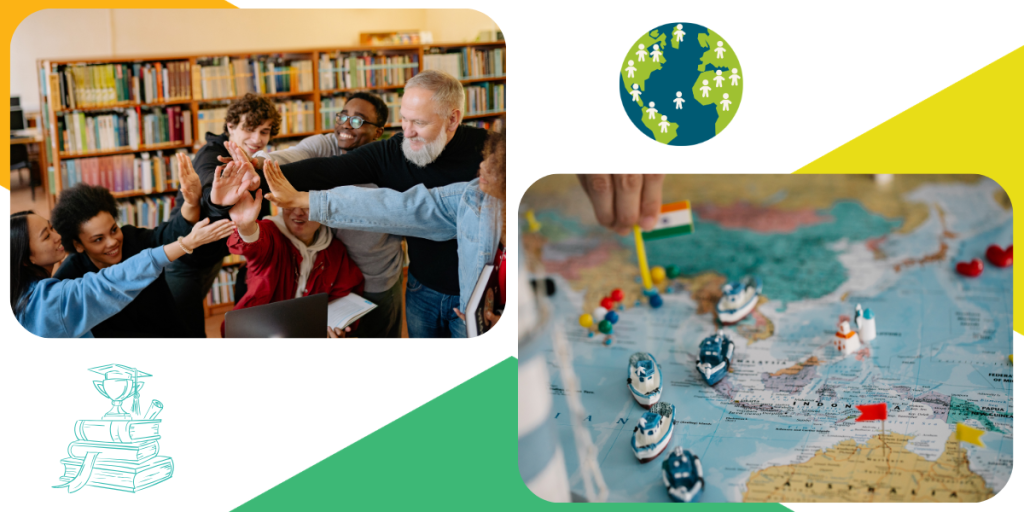
Universities often use virtual research conferences and global faculty panels to attract top graduate and doctoral candidates. Hosting these online symposia helps schools build international partnerships and raise their academic profile. Archiving those presentations into searchable online libraries gives programs an easy way to keep capturing interested leads and recruiting talented researchers year-round.
Staying connected with international alumni after they graduate is tough when everyone is spread across the world. Hosting virtual events like online speed-networking, chapter reunions, and regional industry panels makes a huge difference. Keeping up regular digital programming builds stronger mentorship networks, helps with international fundraising, and keeps global graduates connected to their alma mater for life.

Moving beyond simple registration numbers requires tracking actual viewer behavior, including watch duration, poll activity, resource downloads, and application inquiries. Integrating event analytics directly into systems like Slate or Salesforce Education Cloud automates enrollment tracking. Presenting this data in clear executive frameworks provides campus leadership with concrete proof of virtual event ROI.
Summary
Here, we discussed how universities can use virtual events to expand their global reach, including creating time zone hubs, financial sponsors, academic collaboration, and more. Through this, you will have the tools and resources to host an impactful and successful virtual event for universities while focusing on global reach.

To turn these incredible insights into impactful virtual events, leverage world-leading platforms like Chati to strategize, organize, and execute your university’s virtual event effectively. Please contact Chati if you’re interested in learning how to expand your university’s global reach through virtual events today.
Hybrid events combine in-person and virtual experiences to connect teams. This delivers benefits like increased engagement, improved morale, team building, and accessibility. Here, we will explore ten core strategies to show how to inspire employees through hybrid events, including award ceremonies, interactive workshops, cross-department collaboration, and more. Through this, you will have the tools and resources to inspire your employees while molding them into the leaders of tomorrow.
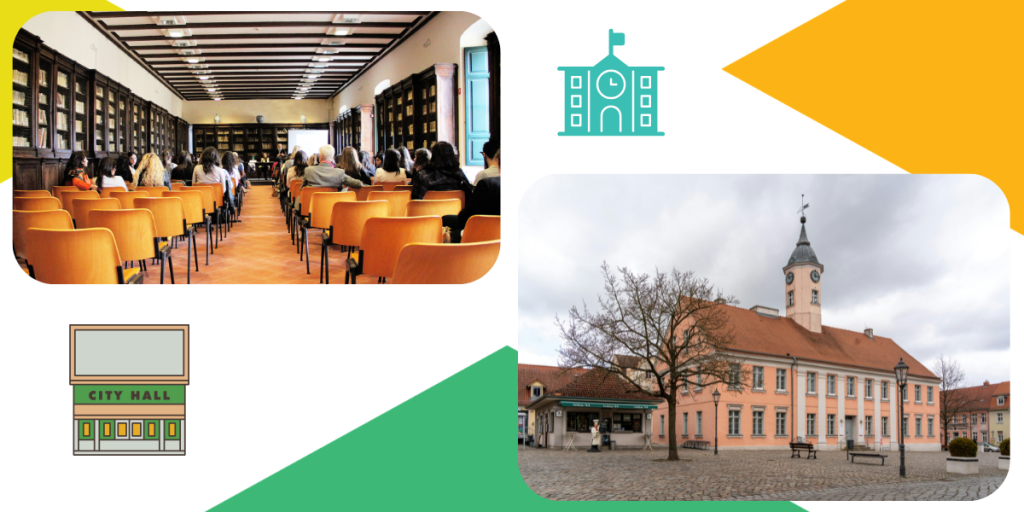
Host live or streamed sessions where executives can directly share strategic company updates, broader organizational goals, and executive vision. Incorporating an interactive, real-time Q&A session for both in-person and remote participants ensures everyone has a voice, reinforcing company-wide transparency and alignment across all teams.
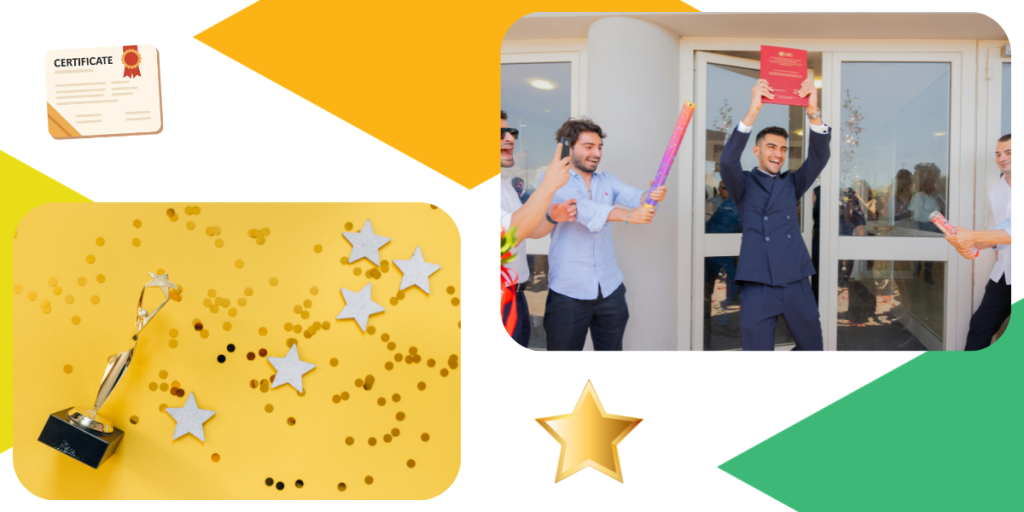
Celebrate key achievements, major career milestones, and individual employee contributions during dedicated recognition events. Integrating virtual shout-outs, digital certificates, or tangible prizes ensures equal visibility for all staff, which actively strengthens overall morale and deepens appreciation across distributed teams.

Organize engaging challenges, virtual escape rooms, or collaborative exercises structured to allow seamless participation from both in-office and remote employees. By bringing people together in a relaxed setting, these activities effectively foster teamwork, improve daily communication, and build genuine camaraderie across the organization.

Offer valuable professional development sessions that are fully accessible whether employees attend live on-site or join online. Utilize digital breakout rooms, real-time polls, and interactive collaborative tools to keep participants engaged, while providing actionable takeaways and downloadable resources so staff can apply what they learn to their roles.

Incorporate guided fitness classes, group meditation, or mental health workshops directly into your organization's event schedule. Streaming these sessions for remote employees while running synchronized in-person activities helps promote a healthier work-life balance and demonstrates a real commitment to overall employee well-being.

Invite employees from all levels to pitch creative ideas or propose practical solutions using live and virtual presentation formats. Leveraging collaborative tools, real-time surveys, and interactive polls to vote on top suggestions encourages active participation and cultivates a strong, company-wide culture of innovation.

Organize hybrid events specifically designed to mix employees from different teams through joint projects, group problem-solving activities, or innovation challenges. Breaking down traditional operational silos through these structured exercises promotes organic networking and speeds up cross-functional knowledge sharing.

Host casual virtual happy hours, informal coffee chats, or interest-based discussion groups to give remote and in-office employees space to make informal connections. Creating these relaxed touchpoints helps bridge the distance between distributed staff, ultimately strengthening overall company culture and workplace engagement.
Showcase upcoming company initiatives, internal tool rollouts, or major product developments through live, dynamic demonstrations. Allowing interactive feedback and open Q&A sessions for all employees increases overall transparency and builds shared excitement surrounding the organization’s ongoing work.

Record live events and training workshops so employees can conveniently access the material anytime from any time zone. Pairing these recordings with searchable resource libraries, active discussion forums, and structured follow-up activities ensures long-term value and engagement well beyond the conclusion of the live sessions.
Summary
Here, we explored ten core strategies to show how to inspire employees through hybrid events, including award ceremonies, interactive workshops, cross-department collaboration, and more. Now, you have the necessary knowledge to host successful hybrid events that can inspire your employees worldwide.

These hybrid events create inclusivity, engagement, and morale across distributed teams. Leverage platforms like Chati to host interactive hybrid events that inspire and connect employees worldwide. Please contact Chati to learn more about how you can use hybrid events to inspire your employees while building the leaders of tomorrow.
Virtual events are revolutionizing academic conferences by dismantling geographical and financial barriers, fostering a truly global exchange of ideas. These digital platforms offer expansive reach, significant cost savings, and enhanced accessibility for students and faculty alike. To maximize impact, here are ten actionable strategies designed to transform online academic gatherings into highly engaging, interactive experiences.

Host prominent researchers to deliver live presentations, fostering immediate intellectual exchange. Integrating real-time Q&A sessions ensures dynamic engagement, allowing faculty and students to interact directly with experts. By recording these sessions, you provide essential on-demand access, accommodating participants across different time zones and maximizing the conference's global reach.

Offer multiple concurrent sessions on specialized topics, allowing attendees to tailor their experience to specific research interests. To enhance collaboration, integrate virtual networking options within each track. This structure empowers participants to pivot between niche subjects while building meaningful professional connections, replicating the diverse environment of traditional in-person academic symposiums.

Host digital poster sessions where researchers showcase their findings through interactive displays. Attendees can engage directly with presenters via real-time chat or video calls, fostering deep academic discourse. To support further study, enable downloadable PDFs and supplemental resources, ensuring participants leave with tangible data and a comprehensive understanding of the research.

Convene panels of experts to debate emerging trends and research challenges, driving high-level innovation. Utilize live polling and audience-submitted questions to spark immediate interaction and bridge the gap between speakers and viewers. This collaborative format promotes essential knowledge sharing, ensuring attendees actively contribute to the evolving academic landscape.

Establish dedicated online lounges for informal networking, enabling researchers, faculty, and students to connect organically. By utilizing matchmaking tools, you can pair attendees based on shared research interests, sparking meaningful dialogue. These spaces encourage spontaneous collaborations and academic discussions that extend beyond formal sessions, building a vibrant, global community.
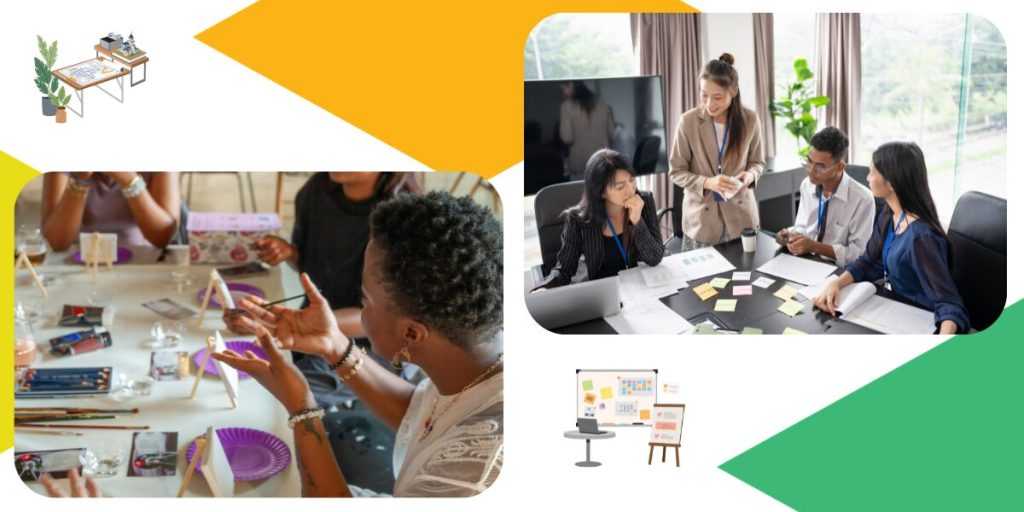
Conduct interactive workshops focusing on advanced research methodologies and technical tools. By incorporating hands-on exercises and breakout discussions, you facilitate active learning and peer-to-peer engagement. Providing follow-up resources and session recordings ensures participants can revisit complex techniques, supporting ongoing professional development and the long-term mastery of new academic skills.

Make presentations and poster sessions available for later viewing to extend the event's lifespan. This allows attendees to revisit complex research and share insights with colleagues globally. Furthermore, tracking on-demand engagement helps organizers identify trending topics, providing data-driven insights to shape the curricula of future successful academic conferences.

Implement interactive quizzes, polls, and competitions to boost engagement and maintain high energy throughout the conference. Offering rewards or public recognition for participation incentivizes active involvement. These gamified elements motivate attendees to explore diverse sessions and networking zones, ensuring a comprehensive, immersive experience that transcends passive digital viewing.
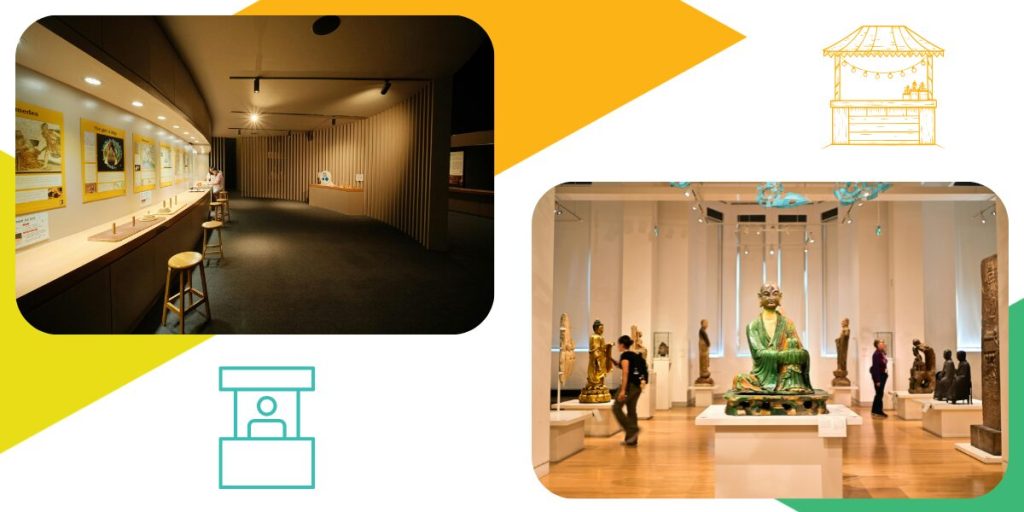
Provide virtual booths for sponsors to showcase innovative tools and academic publications. Facilitate interaction through live chat, downloadable resources, and dedicated webinar slots for exhibitors. By integrating detailed analytics, organizers can precisely measure engagement, ensuring sponsors see measurable value while providing attendees with essential access to industry-leading research support.

Collect attendee feedback through post-session surveys to refine future programming and measure impact. Distribute concise summaries and recordings to reinforce key insights. By hosting follow-up webinars and maintaining active discussion boards, you sustain community momentum, transforming a one-time event into a continuous, global dialogue for researchers and faculty.
Summary
By integrating live keynotes, breakout tracks, digital posters, and expert panels, organizers can build a robust virtual environment. Enhancing these with networking, workshops, on-demand access, gamification, and sponsor booths ensures a comprehensive experience, while diligent follow-ups sustain momentum.

Thoughtful planning maximizes global participation and collaborative research. Leverage versatile platforms like Chati to host interactive, accessible, and high-impact academic conferences that truly resonate across the scientific community. Please contact Chati if you would like to learn how to use our virtual events to enhance academic conferences.
Virtual events have evolved from an emergency fix into a deliberate strategy for inclusivity. By 2026, government agencies must prioritize hybrid-first models to meet the public demand for seamless, remote access. Success no longer hinges on simple attendance numbers. Instead, it relies on meaningful engagement and serves as the vital metric for agencies seeking to build genuine trust and lasting impact. Here, we will discuss how virtual events can be used to enhance government engagement, including trends, best practices, and more.

Virtual events foster equity by removing geographic and physical barriers for marginalized communities. This approach also ensures fiscal responsibility, maximizing taxpayer dollars by eliminating traditional venue and travel costs. Furthermore, leveraging real-time platform analytics provides agencies with precise, data-driven insights into citizen concerns, allowing for more responsive and effective governance in a digital-first world.

There is a myriad of trends that enable virtual events to enhance government engagement. These include Agentic AI, which now delivers instant, multilingual support, ensuring live sessions are inclusive and accessible in real-time. By repurposing events into bite-sized video clips, agencies can leverage social SEO (search engine optimization) to broaden their digital footprint. Finally, gamifying civic participation through live polling and interactive workshops transforms passive town halls into engaging, collaborative experiences that drive meaningful community involvement and visibility.

Modern engagement requires a mobile-first approach to meet citizens where they are. To achieve radical accessibility, agencies must move beyond standard captions toward ASL avatars and high-contrast designs. Shaping agendas via pre-event social polling ensures relevance, while verified badges and secure protocols mitigate deepfake risks to maintain public trust. Finally, the "after-action" loop converts live recordings into searchable, evergreen resources, ensuring that a single event provides continuous value and remains accessible to the community long after the session ends.

Agencies are abandoning long marathons for 30-minute "Flash Briefings," prioritizing brevity and impact. By replacing dry slide decks with human-centric storytelling and real citizen testimonials, organizations foster deeper emotional connections, making public information more relatable, engaging, and digestible for everyone.
Summary
Here, we discussed how virtual events can be used to enhance government engagement, including trends, best practices, and more. Armed with this knowledge, you can now host a successful virtual event for enhancing government engagement while helping your worldwide audiences achieve their personal and professional goals.

Virtual events have transitioned from temporary solutions to the primary gateway for agency interaction. To adapt, organizations should prioritize modern digital strategies and Chati can help you do that. Please contact Chati if you would like to schedule a platform demo to enhance your engagement for your next virtual event.
Virtual networking often stops at surface-level introductions, leaving a gap between meeting people and building real relationships. Traditional formats focus on attendance and volume, rather than relevance, structured interaction, shared context, and meaningful follow-up that sustains connections.
Here, we will discuss how virtual networking builds connections, including the psychological aspects, common mistakes, ways to improve, long-term connections, and more. Through this, you will have the tools and resources to host a successful virtual event while prioritizing virtual networking and helping your attendees build lasting connections.

Effective virtual networking moves beyond chat boxes and attendee lists by creating intentional interactions. Unlike in-person networking, it relies on structure, facilitation, and shared context to replace spontaneous encounters and turn digital connections into meaningful, lasting professional relationships.

Trust and familiarity grow through repeated interactions over time, not one-off encounters. In virtual networking, small, meaningful moments, including focused conversations, shared insights, and follow-ups that matter far more than high volumes of brief connections.

Many virtual networking experiences fail because they rely on one-off interactions with no follow-up, encourage passive attendance in awkward open rooms, and treat networking as transactional. Real connections require intentional design, active participation, and relationship-building that continues beyond the event itself.

Structured networking outperforms open mingle formats by replacing randomness with intention. Guided conversations and shared context help participants connect faster, while smaller groups and smarter matching increase relevance, reduce awkwardness, and create space for meaningful dialogue and lasting professional relationships that extend well beyond events.

Effective virtual networking uses icebreakers that feel natural, not forced, supported by facilitated sessions and structured speed networking. Interest-based or role-based matching ensures participants meet the right people, accelerating rapport, reducing friction, and turning brief interactions into relevant, high-quality professional connections.

Modern virtual networking leverages breakout rooms, live chat, and 1:1 meeting tools to spark interaction. AI-driven or interest-based matchmaking improves relevance, while asynchronous networking before and after events extends conversations, reinforces relationships, and turns single moments into ongoing professional connections.

Effective follow-up avoids spam by staying personal and timely. Post-event connection thrives through shared takeaways, continued conversations, and clear next steps, helping virtual introductions naturally evolve into trust, collaboration, and long-term professional relationships beyond a single event.

True success in virtual networking isn’t measured by engagement alone, but by connection quality. Metrics that matter include meetings booked, meaningful follow-ups, and returning attendees, as well as signals that interactions created value, trust, and momentum beyond the event itself.
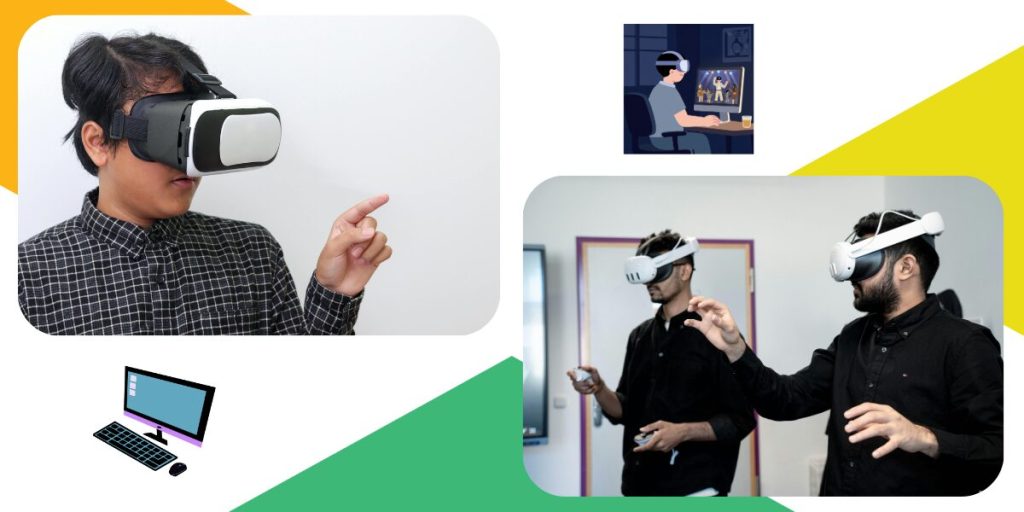
The future of networking blends hybrid models with community-driven, always-on experiences. By combining virtual and in-person touchpoints, organizations can foster continuous engagement, recurring interactions, and deeper relationships that extend beyond single events into sustained professional communities.
Summary
Here, we discussed how virtual networking builds connections, including the psychological aspects, common mistakes, ways to improve, long-term connections, and more. Through this, you now have the tools and resources to host a successful virtual event while prioritizing virtual networking and helping your attendees build lasting connections.
The future of networking blends hybrid models with community-driven, always-on experiences. By combining virtual and in-person touchpoints, organizations can foster continuous engagement, recurring interactions, and deeper relationships that extend beyond single events into sustained professional communities. Chati is proud to provide impactful virtual networking tools that enable individuals worldwide to engage and build lasting relationships. Please contact Chati if you would like to know how your next virtual event can promote virtual networking for individuals worldwide.
Audience engagement in virtual events extends beyond mere attendance, encompassing active participation and a genuine emotional connection. Yet, organizers face digital fatigue, distractions, and a decline in in-person energy. This article examines practical strategies to enhance the dynamic, interactive, and memorable aspects of online events, enabling hosts to captivate audiences and create impactful virtual experiences that sustain attention and contribute to overall event success.
Here, we will discuss the top ways virtual events boost audience engagement, including the use of interactive tools, captivating content, measuring success, and more. With this, you will have the tools and resources to host a successful and impactful virtual event while prioritizing audience engagement.
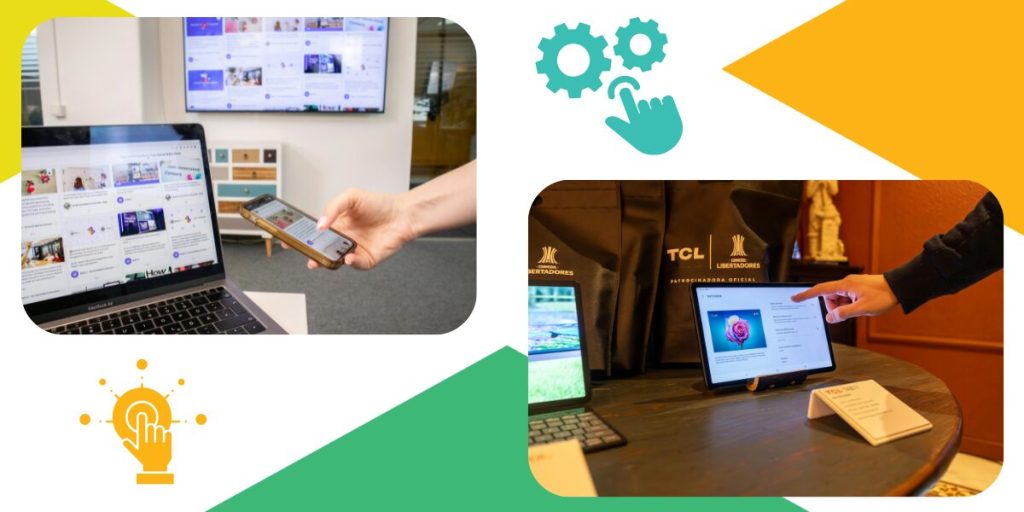
Interactive elements, such as polls, live chat, Q&A sessions, and gamification, keep virtual audiences active and engaged. These tools transform events into two-way experiences, encouraging participation rather than passive viewing. Advanced features such as breakout rooms, networking lounges, and live quizzes replicate real-world interactions, fostering deeper connections. Selecting a virtual event platform with strong real-time engagement capabilities ensures seamless, immersive, and impactful audience experiences.

Personalized event experiences make attendees feel valued and understood. Tailored agendas, custom content tracks, and interest-based recommendations create more meaningful interactions. By responsibly using attendee data, organizers can customize event journeys and follow-up materials to match individual preferences. This personalization enhances engagement, increases retention, and boosts post-event satisfaction, ultimately fostering stronger connections and encouraging future participation in virtual events.

Concise, visually engaging presentations and well-paced sessions are essential for holding audience attention. Incorporating multimedia elements, such as videos, animations, and infographics, helps prevent monotony. Mixing formats—such as keynotes, panels, demos, and networking breaks—keeps the experience dynamic and engaging. Additionally, limiting session length helps sustain focus, ensuring attendees remain attentive and engaged throughout the virtual event.
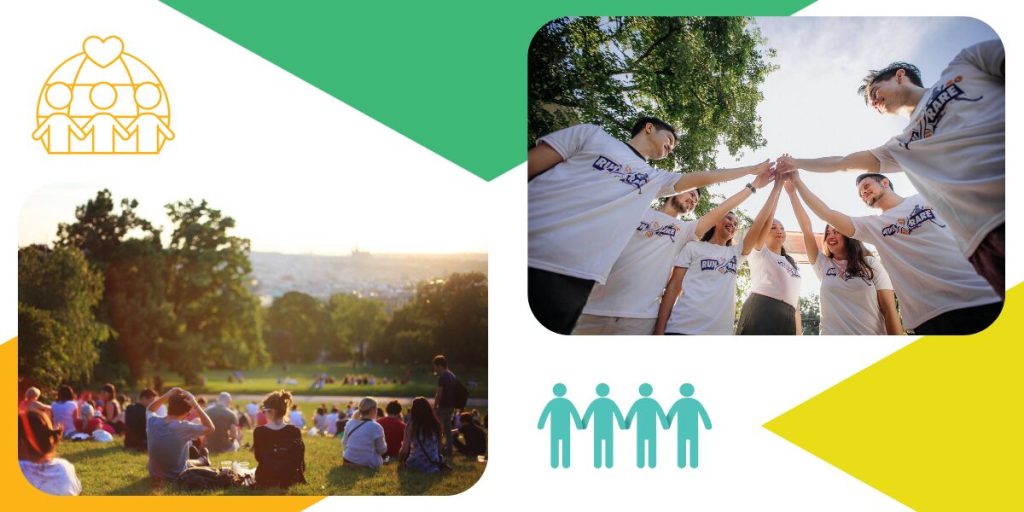
Digital networking tools, such as chat groups, one-on-one meetings, and topic-based lounges, foster meaningful relationships. Social media integration and virtual “hallways” replicate spontaneous interactions found at in-person events. These connections foster stronger communities, enrich attendee experiences, and encourage repeat participation, ultimately creating lasting engagement beyond the event itself.

Key engagement metrics—such as participation rates, chat activity, poll responses, and content downloads—reveal audience involvement. Post-event surveys gather valuable feedback. Analyzing these data-driven insights helps organizers refine future events, enhance attendee experiences, and clearly demonstrate return on investment to stakeholders.
Summary
Here, we discussed the top ways in which virtual events enhance audience engagement, including the use of interactive tools, creating captivating content, measuring success, and more. With this, you will have the tools and resources to host a successful and impactful virtual event while prioritizing audience engagement.

We encourage organizers to invest in interactive, personalized, and community-driven approaches to enhancing virtual events through audience engagement. Please contact Chati to discuss how we can further improve audience engagement in our virtual events.
Accessibility in virtual events ensures inclusivity, enhances participant engagement, and supports compliance with legal standards. Prioritizing accessible design empowers diverse audiences, fosters equitable experiences, and strengthens event impact while meeting organizational responsibilities and broadening overall reach. Here, we will discuss the top ways to design virtual events with accessibility in mind, including event platforms, visual design, engagement tools, and more. With this, you will have the tools and resources to organize and execute a successful virtual event while putting accessibility at the forefront for your attendees.

When selecting virtual event software, prioritize accessibility features like closed captioning, screen reader compatibility, and keyboard navigation. Testing platforms before the event ensures smooth functionality, enhances inclusivity, and guarantees all participants can fully engage and benefit from the experience.

Live and AI-generated captions, paired with downloadable transcripts, significantly improve accessibility for virtual events. These tools support deaf and hard-of-hearing attendees, ensure inclusive communication, and provide lasting resources that enhance engagement, understanding, and participation during and after sessions.
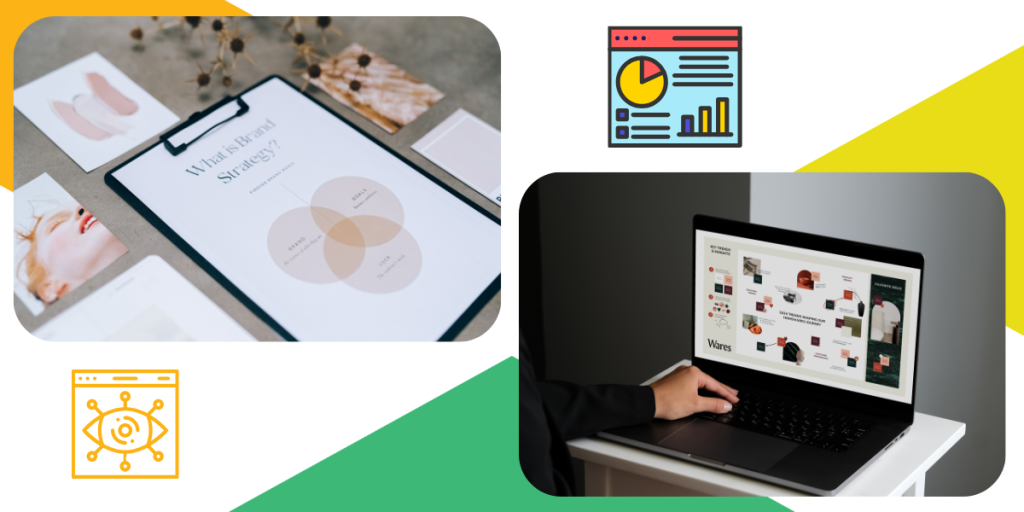
Use high-contrast colors and readable fonts, avoid cluttered or text-heavy slides, and include descriptive alt text for images and graphics. These strategies improve accessibility, readability, and engagement, ensuring presentations are clear, inclusive, and visually effective for all audiences.

Presentations should include sign language interpretation, clear audio with minimal background noise, and audio descriptions for visual elements. These practices enhance accessibility, ensuring participants with hearing or vision impairments can fully engage, understand, and benefit from the presented content inclusively.
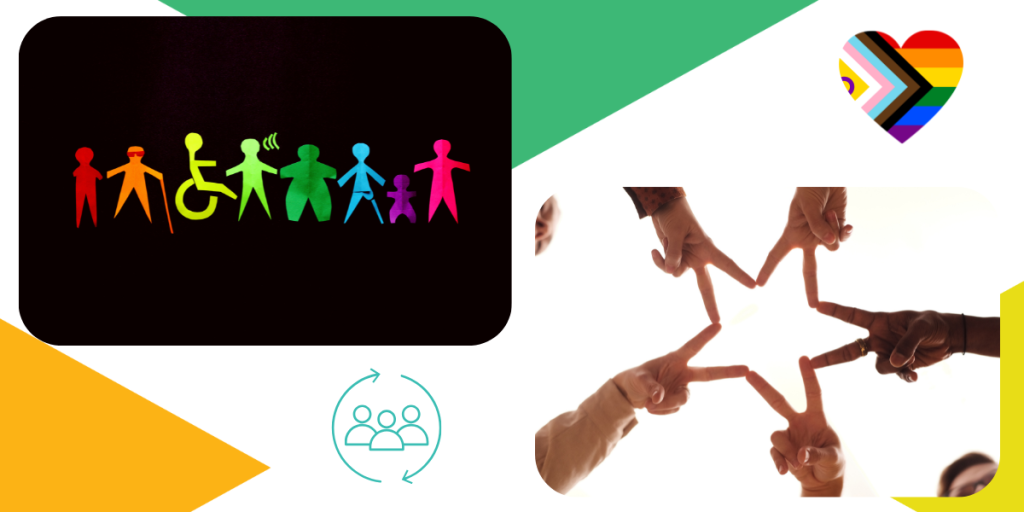
Accessible polls, chats, and Q&A platforms, combined with WCAG-compliant forms and tools, foster inclusivity. By encouraging diverse participation, events become more engaging, equitable, and meaningful, ensuring that all attendees can contribute, interact, and benefit from the shared experience.

Providing on-demand recordings supports global audiences across time zones, while adjustable playback speeds and screen customization enhance flexibility. Incorporating accessibility features in breakout rooms ensures all participants can fully engage, creating an inclusive, adaptable, and user-friendly virtual event experience.

Training presenters in inclusive communication, promoting slower pacing with clear articulation, and avoiding jargon while using diverse examples ensures accessibility. These practices foster understanding, respect, and engagement, enabling all participants to connect meaningfully with content in an inclusive environment.

Conducting accessibility checks before launch, gathering post-event survey feedback on accessibility, and committing to continuous improvement ensures events remain inclusive. These practices identify barriers, highlight participant needs, and guide meaningful enhancements for more accessible and engaging future experiences.
Summary
Here, we discussed the top ways to design virtual events with accessibility in mind, including event platforms, visual design, engagement tools, and more. Armed with this knowledge, you can now host impactful and educational virtual events while enhancing accessibility and helping your attendees achieve their personal and professional goals.
We emphasize that event organizers prioritize inclusive design in all virtual events, and we encourage readers to contact Chati to see how we can improve our accessibility features. Through this, you not only improve your attendee turnout, but you enable them to achieve their personal and professional goals.
Sustainability reporting tracks and communicates environmental and social impacts. In virtual event planning, it’s increasingly vital for transparency, accountability, and meeting stakeholder expectations. Virtual events offer unique opportunities to lead in greener practices, reducing travel emissions, resource use, and waste, while setting a benchmark for sustainable virtual event management worldwide.
Here, we will discuss the top ways to use sustainability reporting in virtual events, including tools and platforms, communication, and future trends. Through this, you will have the tools and resources to organize a successful virtual event while demonstrating exceptional sustainability reporting and enabling your attendees to achieve their personal and professional goals.

In the context of virtual events, sustainability reporting evaluates and communicates environmental performance using key metrics such as carbon footprint, energy consumption, waste reduction, and digital efficiency. It enhances credibility for organizers, provides attendees with sustainable experiences, and strengthens brand alignment for sponsors, collectively fostering accountability, innovation, and greener virtual event practices.

Virtual event sustainability reporting encompasses monitoring digital carbon footprints, highlighting the use of renewable energy and low-impact technologies, and advancing waste reduction through paperless solutions. It further emphasizes the sustainable practices of vendors and partners. Post-event surveys capture attendee perceptions, offering valuable insights that strengthen accountability, inform improvements, and demonstrate a commitment to environmentally responsible virtual event management.

Virtual event technology solutions facilitate the tracking of sustainability data through sophisticated analytics dashboards and reporting software. By embedding key sustainability KPIs (key performance indicators) into virtual event platforms, organizers can monitor performance in real time, strengthen decision-making, and ensure accountability, thereby promoting more efficient, transparent, and environmentally responsible approaches to virtual event management.

Effective sustainability reporting entails communicating insights to attendees and sponsors through infographics, dashboards, and social media channels. Transparent disclosure of environmental and social performance not only informs stakeholders but also reinforces credibility, builds trust, and enhances brand reputation, establishing the organization as a responsible and accountable leader in sustainable virtual event management.

Advancements in sustainability reporting tools, alongside adherence to ESG (Environmental, Social, Governance) standards, are reshaping virtual and hybrid event planning. These innovations facilitate more precise tracking, increased transparency, and data-driven decision-making, supporting responsible, accountable, and environmentally conscious approaches to virtual and hybrid event management.
Summary
Here, we discussed the top ways to use sustainability reporting in virtual events, including tools and platforms, communication, and future trends. Armed with this knowledge, you are now able to organize and execute a successful virtual event while simultaneously enabling your attendees to achieve their personal and professional goals and enhancing the role of sustainability reporting.
We encourage readers to implement sustainability reporting in their next virtual or hybrid event, and please contact Chati to learn more about how we can incorporate sustainability reporting in our virtual and hybrid events.
Hybrid event innovation is transforming the way people connect, blending virtual accessibility with the immersive power of in-person experiences. By uniting digital convenience and face-to-face interaction, hybrid events maximize engagement, broaden reach, and create dynamic, interactive opportunities that keep audiences more connected, involved, and inspired than ever before. Here, we will discuss how you can embrace hybrid event innovation, including the benefits, top ways, best practices, and more.

Hybrid events merge in-person and virtual experiences, supported by strategies that ensure inclusivity and engagement. Unlike traditional virtual events, hybrid models expand networking, interaction, and reach, blending live participation with digital accessibility to create more dynamic, flexible, and impactful event experiences.

Hybrid events boost attendee engagement, expand reach and accessibility, and deliver stronger return on investment (ROI) for sponsors through enhanced branding opportunities. They also provide valuable data-driven insights, empowering organizers to refine strategies, personalize experiences, and maximize impact across both in-person and virtual audiences.

Interactive Live Streaming & Real-Time Engagement
Hybrid events leverage live polls, Q&A sessions, and gamification to bridge in-person and virtual audiences, fostering interaction, inclusivity, and meaningful engagement across every event format.
Virtual Networking Lounges & AI Matchmaking
Hybrid events create authentic connections by combining digital and in-person interactions. Smart matchmaking links attendees and sponsors, driving meaningful relationships, personalized networking, and enhanced value for all participants.
Immersive Event Technology (AR/VR)
Hybrid events elevate engagement with augmented reality product demos for onsite participants and immersive virtual reality experiences for remote audiences, delivering interactive, memorable, and inclusive experiences that showcase innovation and deepen audience connection.
Hybrid Event Platforms & Custom Apps
Event apps simplify scheduling, networking, and engagement while platforms streamline the hybrid experience. Together, they connect audiences, enhance interaction, and ensure seamless participation across both virtual and in-person formats.
On-Demand Content & Extended Event Lifespan
Repurposing event content, including recorded sessions, extends engagement beyond the live event and increases ROI by providing lasting value, broader reach, and opportunities for continued audience interaction.

Creating a successful hybrid event involves selecting the right platform, carefully balancing online and onsite experiences, and providing robust technical preparation and support. These elements ensure seamless execution, maximize engagement, and deliver a smooth, memorable experience for all participants.
Summary
Embracing hybrid event innovation offers new opportunities to enhance engagement and reach. Event planners are encouraged to begin integrating hybrid strategies, fostering flexibility, inclusivity, and long-term success in a rapidly evolving event landscape.

We encourage readers to embrace hybrid events with the goal of helping their attendees achieve their personal and professional goals, and please contact Chati to discover how you can host a successful hybrid event in the future.
Chati empowers organizations and professionals with dynamic solutions for hosting virtual, hybrid, and internal events; from webinars and conferences to job fairs and team-building experiences. The Chati team is always rolling out new features to enhance the experience for users and clients, continuously improving how we connect people and power virtual events.
Now, Chati is proud to offer User Journeys, a new feature designed to boost engagement, provide educational opportunities, and incentivize participation. Here, we highlight the top 10 ways to use User Journeys, showcasing the tools and resources to advance your virtual event experience.
Event Agenda
Users can be guided through the event experience by completing agenda items as tasks, including presentations, lounges, and speed networking sessions. For example, spending a specific amount of time listening to a presentation will complete a task.
Continuing Education Credits
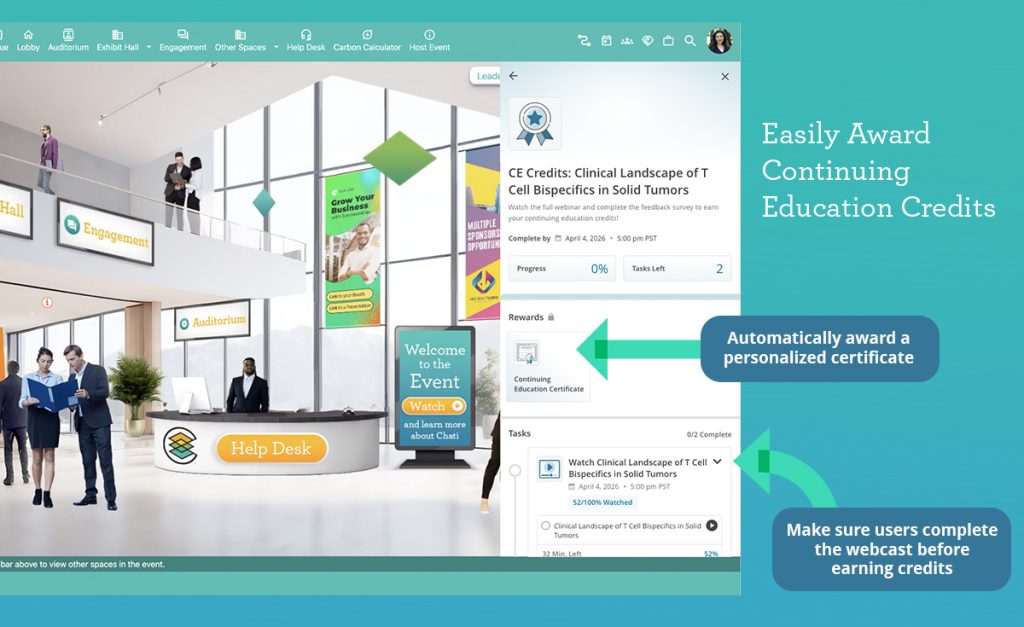
You can offer continuing education (CE) credits to users with the goal of enabling attendees to enhance their skills while staying current with industry progress. A certificate can be awarded to the user after completion of a webcast and survey.
Exhibitors
Exhibitors can discover effective strategies for showcasing their products and services during the event. User Journeys helps them build and strengthen their brand presence and enables them to connect with a targeted audience, including potential clients, employees, and investors, fostering valuable business relationships and growth.
Simple Courses
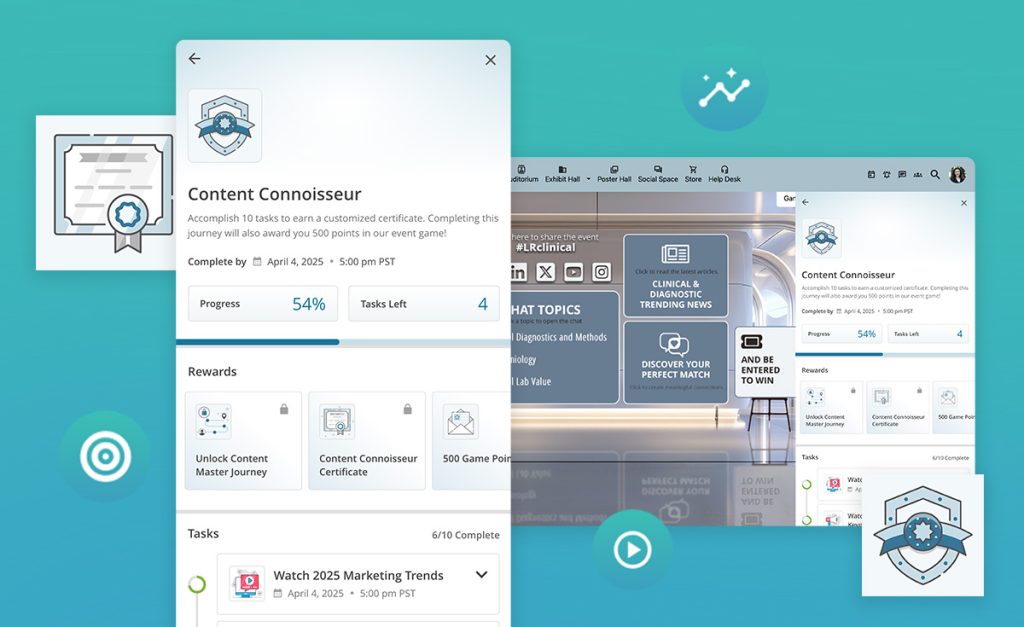
The user-friendly interface enables users to complete simple tasks for a certificate, including posting in a group chat, completing a user profile, viewing a handout, visiting a virtual space, and more. The goal of this journey is to maintain a quick and easy experience while providing lasting knowledge.
Team Trainings
Make completing trainings fun and easy to access for your employees, which clients can make mandatory or optional. Journeys help build teamwork skills, task prioritization, career advancement opportunities, collaboration, communication, problem-solving, decision-making, and more. This emphasizes individual and team capabilities with the goal of boosting overall team performance and efficiency.
Product Launches
Use Journeys to help attendees learn more about a new product, its features, how to purchase, contact information, and future goals. This enables a company to effectively present a product’s value, reach target audiences, and ensure a successful market impression.
Sponsor-Guided Journeys
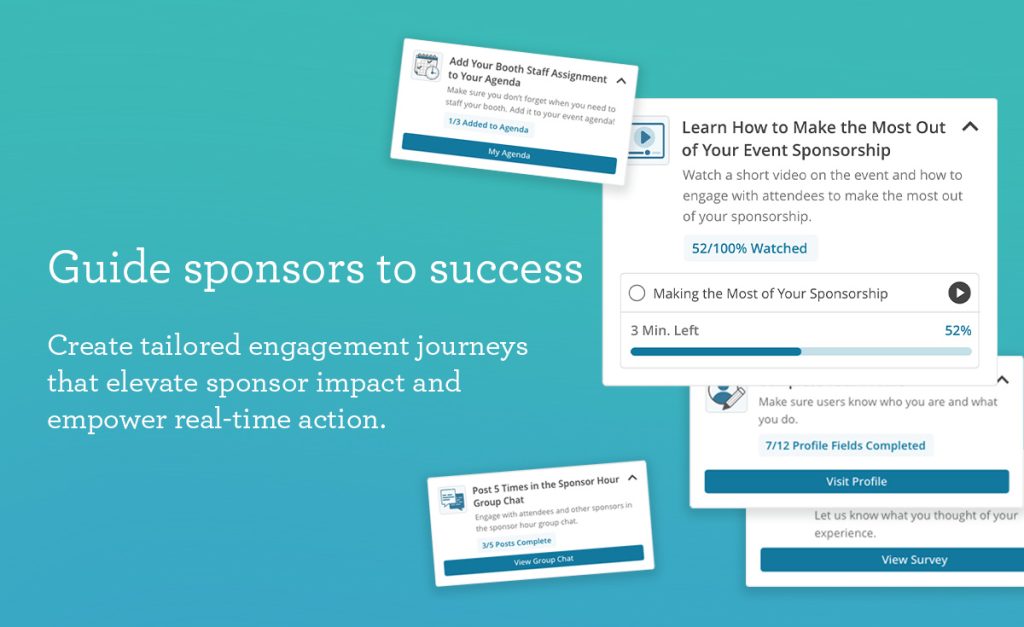
Help your sponsors enhance your event experience by assigning them tailored engagement journeys designed to maximize their participation and impact. Through this, clients can address issues immediately during the event with the knowledge they gained during this journey.
Improved Engagement
Successful virtual events rely on strong engagement. User Journeys provide a strategic framework that encourages attendees through purposeful interaction and structured exploration.
Certificates of Completion
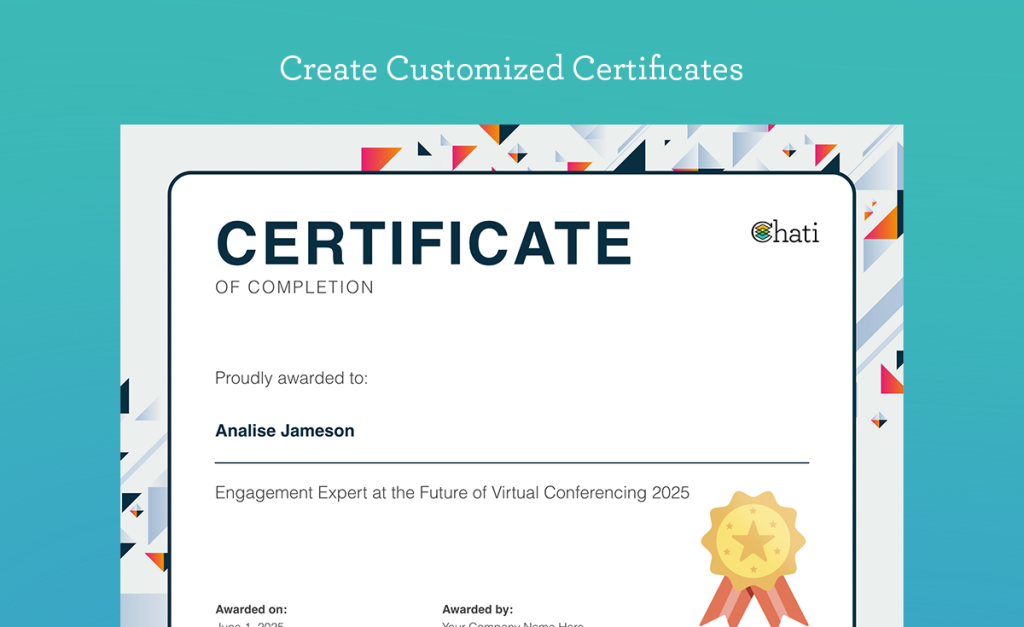
Spread the word of your event by awarding certificates of completion for several types of journeys, including attending an event or completing a course, that could be shared on social media and added to a CV or résumé. Chati is proud to offer a variety of templates and variables, enabling flexibility and ease-of-use.
In-Event Game Tracker
Along with certificates of completion, a journey’s in-event game tracker provides users with a tracker to monitor completed tasks with potential rewards. This enhances user engagement by offering incentives for completion.