Discover how Chati's self-service licenses give you full control - build, update, and launch virtual events on your terms. Register for our free webinar today!
Virtual events have helped highlight the evolving global academic landscape and reveal how international student mobility and trans-national education rely heavily on digital-first engagement. This is because in-person fairs and campus tours remain limited by high travel costs, visa hurdles, and geographical boundaries. However, higher education institutions can leverage strategic virtual event programming to reach prospective international students, global researchers, and overseas alumni networks across the globe far more effectively.
Here, we will discuss how universities can use virtual events to expand their global reach, including creating time zone hubs, financial sponsors, academic collaboration, and more. Through this, you will have the tools and resources to host an impactful and successful virtual event for universities while focusing on global reach.

Traditional recruitment trips struggle to reach interested international students across global markets. In contrast, multi-session virtual open days give prospective students the freedom to join from anywhere without the logistical hassle or financial expense of travel. Removing these geographic barriers makes it much easier for students around the world to connect, helping universities build a larger, more diverse, and highly qualified applicant pool.

To reach prospective students worldwide, it helps to host webinars tailored to different time zones across the Americas, Europe, and Asia. It’s been found that having current international students host live regional Q&A panels makes a huge difference. Adding real-time translation, local chat tools, and on-demand replays ensure everyone can access the content, no matter where they live or when they watch.

Offering lightweight, web-based 3D tours and virtual classroom sit-ins gives prospective students a sample of campus life without needing expensive VR headsets. Hosting interactive live streams that showcase student life, dorms, labs, and campus culture also demonstrates transparency and opportunities for these prospectives to ask questions. Finally, having current students lead virtual walk-throughs builds immediate trust, helping remote applicants easily picture themselves on campus from anywhere in the world.

Parents and financial sponsors are key decision-makers when students pick an international university. Delivering virtual programs focused specifically on visa guidance, campus safety, housing, and financial aid addresses their biggest priorities. Multi-lingual webinars designed for families help build lasting trust and noticeably improve enrollment outcomes across global markets.

Universities often use virtual research conferences and global faculty panels to attract top graduate and doctoral candidates. Hosting these online symposia helps schools build international partnerships and raise their academic profile. Archiving those presentations into searchable online libraries gives programs an easy way to keep capturing interested leads and recruiting talented researchers year-round.

Staying connected with international alumni after they graduate is tough when everyone is spread across the world. Hosting virtual events like online speed-networking, chapter reunions, and regional industry panels makes a huge difference. Keeping up regular digital programming builds stronger mentorship networks, helps with international fundraising, and keeps global graduates connected to their alma mater for life.

Moving beyond simple registration numbers requires tracking actual viewer behavior, including watch duration, poll activity, resource downloads, and application inquiries. Integrating event analytics directly into systems like Slate or Salesforce Education Cloud automates enrollment tracking. Presenting this data in clear executive frameworks provides campus leadership with concrete proof of virtual event ROI.
Summary
Here, we discussed how universities can use virtual events to expand their global reach, including creating time zone hubs, financial sponsors, academic collaboration, and more. Through this, you will have the tools and resources to host an impactful and successful virtual event for universities while focusing on global reach.

To turn these incredible insights into impactful virtual events, leverage world-leading platforms like Chati to strategize, organize, and execute your university’s virtual event effectively. Please contact Chati if you’re interested in learning how to expand your university’s global reach through virtual events today.
Virtual networking often stops at surface-level introductions, leaving a gap between meeting people and building real relationships. Traditional formats focus on attendance and volume, rather than relevance, structured interaction, shared context, and meaningful follow-up that sustains connections.
Here, we will discuss how virtual networking builds connections, including the psychological aspects, common mistakes, ways to improve, long-term connections, and more. Through this, you will have the tools and resources to host a successful virtual event while prioritizing virtual networking and helping your attendees build lasting connections.

Effective virtual networking moves beyond chat boxes and attendee lists by creating intentional interactions. Unlike in-person networking, it relies on structure, facilitation, and shared context to replace spontaneous encounters and turn digital connections into meaningful, lasting professional relationships.

Trust and familiarity grow through repeated interactions over time, not one-off encounters. In virtual networking, small, meaningful moments, including focused conversations, shared insights, and follow-ups that matter far more than high volumes of brief connections.

Many virtual networking experiences fail because they rely on one-off interactions with no follow-up, encourage passive attendance in awkward open rooms, and treat networking as transactional. Real connections require intentional design, active participation, and relationship-building that continues beyond the event itself.

Structured networking outperforms open mingle formats by replacing randomness with intention. Guided conversations and shared context help participants connect faster, while smaller groups and smarter matching increase relevance, reduce awkwardness, and create space for meaningful dialogue and lasting professional relationships that extend well beyond events.

Effective virtual networking uses icebreakers that feel natural, not forced, supported by facilitated sessions and structured speed networking. Interest-based or role-based matching ensures participants meet the right people, accelerating rapport, reducing friction, and turning brief interactions into relevant, high-quality professional connections.

Modern virtual networking leverages breakout rooms, live chat, and 1:1 meeting tools to spark interaction. AI-driven or interest-based matchmaking improves relevance, while asynchronous networking before and after events extends conversations, reinforces relationships, and turns single moments into ongoing professional connections.

Effective follow-up avoids spam by staying personal and timely. Post-event connection thrives through shared takeaways, continued conversations, and clear next steps, helping virtual introductions naturally evolve into trust, collaboration, and long-term professional relationships beyond a single event.

True success in virtual networking isn’t measured by engagement alone, but by connection quality. Metrics that matter include meetings booked, meaningful follow-ups, and returning attendees, as well as signals that interactions created value, trust, and momentum beyond the event itself.
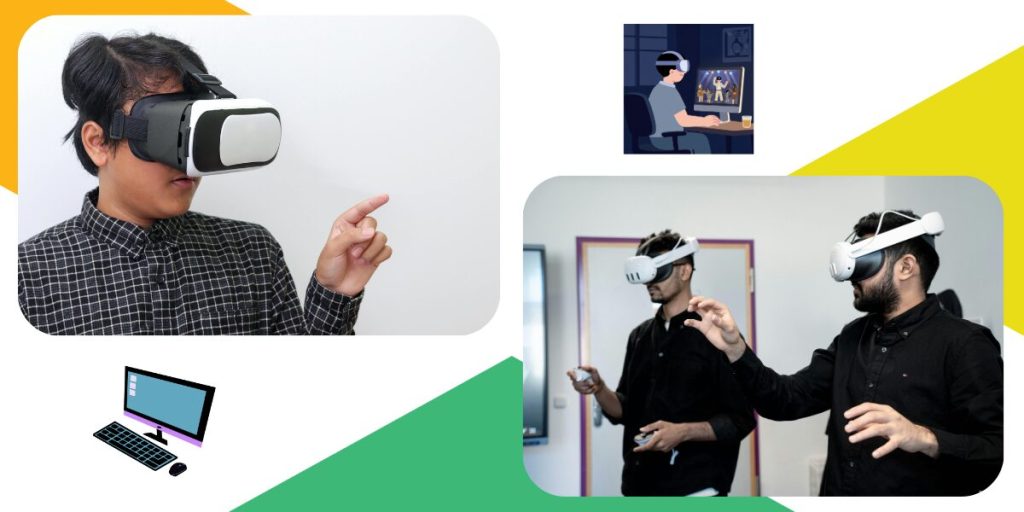
The future of networking blends hybrid models with community-driven, always-on experiences. By combining virtual and in-person touchpoints, organizations can foster continuous engagement, recurring interactions, and deeper relationships that extend beyond single events into sustained professional communities.
Summary
Here, we discussed how virtual networking builds connections, including the psychological aspects, common mistakes, ways to improve, long-term connections, and more. Through this, you now have the tools and resources to host a successful virtual event while prioritizing virtual networking and helping your attendees build lasting connections.

The future of networking blends hybrid models with community-driven, always-on experiences. By combining virtual and in-person touchpoints, organizations can foster continuous engagement, recurring interactions, and deeper relationships that extend beyond single events into sustained professional communities. Chati is proud to provide impactful virtual networking tools that enable individuals worldwide to engage and build lasting relationships. Please contact Chati if you would like to know how your next virtual event can promote virtual networking for individuals worldwide.
Virtual events have transformed how we meet and connect with individuals worldwide to achieve our personal and professional goals. They help businesses recruit new employees, attract new clients, and showcase new products. However, virtual events have also shown promise in transforming education through the rise of online learning and digital classrooms while offering flexibility and accessibility. Here, we will discuss how virtual events can be the future of learning, including the benefits, key technologies, enhancing student engagement, and the future of virtual education.

One of the significant benefits of virtual events in education is increased accessibility for students and educators worldwide, as virtual events tear down geographic barriers, enabling millions of individuals from all personal and professional backgrounds to learn and grow together.
Additionally, educational virtual events are a cost-effective alternative to in-person education, as they save money on travel, lodging, food, and fuel while still providing the same level of education as in-person options. As a result, you get greater flexibility in learning schedules and formats, enabling individuals worldwide to learn independently and at their own pace.

Virtual event platforms are designed for learning, given their technological prowess and accessibility for individuals worldwide. One of these key technologies is AI-driven personalization for tailored learning experiences, enabling individuals with learning, sight, or hearing disabilities to get educated at the same level as everyone else. This includes using interactive tools such as live Q&A, polls, breakout rooms, and gamification to enhance the learning experience and enable individuals of all backgrounds to engage and connect with each other while achieving their personal and professional goals.

Using virtual events for educational purposes offers a myriad of strategies to keep learners actively involved throughout the process, enabling them to stay focused on the tasks and gain as much knowledge as possible. This is primarily accomplished through immersive experiences like virtual reality (VR) and augmented reality (AR) in education, as this provides learners with an extra level of participation while keeping them actively engaged. Through this, you highlight the importance of networking and peer collaboration in virtual classrooms while building connections and fostering lasting relationships.

Like all endeavors, education through virtual events is successful through constant feedback and improvement, and this includes a shift toward hybrid learning models combining online and in-person education. This is accomplished through AI-driven tutors and personalized learning pathways designed to provide the same level of education and training across the board and cater to everyone’s needs. Through this, you highlight the importance of how institutions and businesses are embracing virtual learning solutions to create a more connected and educated tomorrow.
Summary
Here, we discussed how virtual events are shaping the future of education, including the benefits, key technologies, enhancing student engagement, and the future of virtual learning. We encourage educators and institutions to adopt virtual learning strategies to enable individuals worldwide, and from all walks of life, to earn an education while striving to achieve their personal and professional goals.

We invite feedback and comments from readers regarding how Chati can improve our virtual event education strategies to help advance the goals and objectives of individuals worldwide. Feel free to contact Chati for further information regarding incorporating educational materials into your virtual event.
Virtual events offer many features that provide attendees with an immersive and impactful experience, including gamification, exhibit halls, templates & 3D spaces, video chat, personalization, avatars, and much more. However, advancements in augmented reality (AR) and virtual reality (VR) can potentially enhance virtual event experiences like never before.
In this blog, we will discuss innovative uses of AR and VR, including virtual networking and social spaces, virtual keynote speakers and presentations, virtual product launches, virtual event branding, AR/VR analytics, and much more. After reading this blog, you will have the tools and resources to host immersive and impactful virtual event experiences for worldwide audiences with the goal of helping them achieve their personal and professional goals.

The use of VR to create immersive virtual exhibits and booths is an essential first step to creating exciting virtual events, as exhibits and booths are the first impressions for attendees and set the tone for the virtual event. This is accomplished by exploring features such as 3D product showcases, interactive demos, and virtual tours, although we recommend having a fixed number of exhibits and booths to prevent overloading your attendees with too much information at the opening of the virtual event. Through all of this, you highlight the benefits of immersive exhibits for engaging attendees and showcasing products for worldwide audiences.

Exploring the use of VR environments for virtual networking and social interactions can increase engagement and connectivity, creating meaningful and impactful discussions among attendees. This is accomplished through virtual lounges, networking hubs, and social gatherings that can be tailored to small or large groups of attendees and include themes or icebreakers to get the conversation started. Through this, you highlight the role of VR in facilitating meaningful connections and relationship-building among attendees while empowering them to grow their virtual networks.

The use of VR for interactive training and workshop sessions is an excellent way to provide educational insights to attendees they can use in real-world scenarios. This is accomplished by exploring features such as virtual classrooms, simulation exercises, and role-playing scenarios, thus enabling attendees to put information into action so they are better prepared for real-world situations. We recommend surveying potential attendees before the virtual event to gauge what training sessions they would like to participate in and what they believe they would benefit from during the virtual event. Through this, you highlight the benefits of VR for hands-on learning and skill development, which translate to lifelong skills your attendees can use in personal and professional settings.

Exploring the use of AR and VR for virtual keynote presentations and guest speakers is an excellent way to enhance attendee engagement, as this provides attendees with an immersive experience that keeps them focused and excited during the presentation. This is accomplished through features such as holographic presentations, augmented reality overlays, and virtual stages that provide an enhanced visual experience. Through this, you highlight the impact of immersive presentations on audience engagement and experience while putting attendee experience first, resulting in creating meaningful and impactful experiences.

The use of AR technology for virtual event navigation and wayfinding enables a seamless attendee experience so they can easily locate key sessions or presentations throughout the virtual event. This is accomplished by exploring features such as AR maps, navigation guides, and interactive directions that you can provide attendees before the virtual event. These features can also be enhanced with attendee personalization so they can establish target sessions or presentations ahead of time. Through this, you highlight the benefits of AR for enhancing attendee experience and event accessibility, leading to increased diversity, inclusivity, and connectivity for worldwide audiences.

The use of AR and VR for virtual product launches and demonstrations enables companies to provide attendees with upfront first-time use of products where they can give appropriate feedback on product improvements and tweaks. This is accomplished by exploring features such as virtual showrooms, product demonstrations, and interactive experiences for attendees where they can also ask questions, address potential concerns, and make suggestions for improved future products. Through this, you highlight the potential of AR and VR for showcasing products and driving sales, resulting in maximum return on investment (ROI) while building relationships with customers, clients, and investors.

The use of AR and VR for gamified experiences and interactive challenges provides your attendees with enhanced experiences in a safe and competitive environment where they can utilize teamwork skills and earn rewards. This is accomplished through features such as AR scavenger hunts, VR escape rooms, and gamified contests designed to promote competitive interactions while enabling attendees to build their virtual networks. We recommend surveying attendees before the virtual event to gauge what gamified experiences they think will impact their experience most, which could also result in designing your own games. Through this, you highlight the role of gamification in enhancing engagement and entertainment value while helping your attendees build their virtual networks with individuals worldwide.

The use of AR and VR for branding and sponsorship integration in virtual events empowers companies to enhance brand exposure while catering to target audience members. This is accomplished by exploring features such as branded AR filters, virtual sponsorship booths, and immersive brand experiences where attendees can learn about a company’s brand and ask questions, resulting in impactful discussions. We recommend company brands be tailored to virtual event themes so they can successfully reach target audiences, which can be established before the virtual event. Through this, you highlight the benefits of AR and VR for promoting brands and enhancing sponsor ROI while fostering lasting relationships with worldwide audiences.

The use of AR Technology for networking tools and icebreaker activities is essential for increasing attendee engagement and connectivity, as this provides attendees with opportunities to learn from each other while fostering lasting relationships. This is accomplished by exploring features such as AR business card scanners, virtual name tags, and icebreaker games, thus enhancing attendee experiences through meaningful and impactful interactions. Examples include discussing favorite movies, books, or hobbies that other attendees can learn about. Through this, you highlight the role of AR in breaking the ice and facilitating networking in virtual environments while fostering lasting relationships with individuals worldwide.

The use of AR and VR analytics for tracking attendee engagement and behavior is essential for improving AR and VR experiences for future virtual events. This is accomplished by exploring features such as heatmaps, session analytics, and interaction metrics designed to monitor attendee participation throughout the virtual event to gauge which sessions and presentations provide the most impact. Through this, you highlight the importance of data-driven insights for event optimization and ROI measurement, resulting in improved future virtual events and enhanced attendee experience.
Summary
Here, we discussed innovative uses of AR and VR, including virtual networking and social spaces, virtual keynote speakers and presentations, virtual product launches, virtual event branding, AR/VR analytics, and much more. With the knowledge from this blog, you can now provide impactful AR and VR virtual event experiences for worldwide audiences while helping them build their virtual networks and achieve their personal and professional goals.
We wish to emphasize the impact of immersive technologies on virtual events to create impactful attendee experiences while striving to enhance the future potential of AR and VR in virtual event experiences.

We encourage readers to explore AR and VR technologies for their virtual events to create impactful attendee experiences, and we invite feedback and comments on innovative uses of AR and VR from readers that Chati can use to enhance our virtual event experience. Feel free to contact Chati for further information regarding incorporating AR and VR into virtual events.
The primary goal of virtual events is to create impactful discussions and connections while promoting engagement among attendees worldwide. However, virtual events can also be an excellent way for companies to showcase their brands while attracting future clientele, employees, and investors.
Here, we will discuss the top 10 sponsorship strategies for virtual events, including customized packages, activation opportunities, fostering relationships, maximizing brand exposure, evaluating continuous improvements, and much more. This will empower you to take advantage of virtual event sponsorship opportunities, increasing brand awareness while connecting with individuals worldwide to help achieve your business goals.

Conducting audience research to identify target demographics is an essential first step in creating promising sponsorship opportunities, as this builds a foundation for knowing what information and data to share with attendees to maximize brand awareness. We recommend conducting this research early in the planning stages—potentially months in advance—of the virtual event so you can fine-tune details throughout the process. Crafting a compelling value proposition for sponsors helps make a great first impression while targeting the right audience. Through this, you highlight the importance of aligning sponsorship opportunities with attendee interests and needs while focusing on connecting individuals worldwide and fostering lasting relationships.

Tailoring sponsorship packages to fit different budgets and objectives is an excellent sponsorship opportunity, as this provides options for brand visibility across various event touchpoints while enabling sponsors to achieve their business goals. We recommend accomplishing this early in the planning stages by contacting sponsors directly to ascertain their objectives and then discussing internally how you can meet their needs. Through this, you highlight the importance of offering flexibility and customization to meet sponsor preferences while enabling them to connect with individuals worldwide.

Utilizing virtual event platforms to showcase sponsor branding is a powerful tool to increase brand exposure and attract future sponsors. This is accomplished through incorporating sponsored content and advertisements throughout the virtual event while delivering quality content tailored to sponsor needs and objectives. Additionally, exploring virtual booths and exhibit opportunities for sponsors provides them with upfront showcasing in the virtual event lobby, which is the first thing attendees will see when they enter the virtual event. Through this, you highlight the importance of leveraging technology for increased brand visibility for sponsors while empowering them to connect with attendees from a worldwide audience.

Designing interactive sponsorship experiences for attendees is an excellent way to engage and connect with attendees while fostering lasting relationships. This is accomplished through offering sponsored sessions, workshops, or networking events designed to spark meaningful and impactful conversations with and between attendees. We recommend tailoring these sessions to combine the virtual event theme and attendees' needs and objectives to ensure maximum engagement while delivering quality content for everyone. Additionally, incorporating gamification elements to drive engagement with sponsors enables friendly competition while connecting with a worldwide audience.

Offering detailed analytics and reporting on sponsorship performance is essential for determining which sponsorship packages are effective in brand exposure or if they need to be modified to achieve this exposure. This might include specific visuals, exposure time, or if the brand isn't resonating with attendees. This is accomplished by tracking key metrics such as brand impressions, click-through rates, and engagement and determining which criteria can be modified during or after the virtual event ends. We recommend having backup branding options before the virtual event so you can make immediate changes and address any issues while maintaining a seamless audience experience. Additionally, providing post-event insights and analysis to demonstrate return on investment (ROI) to sponsors will enable them to adjust for future virtual events.

Maintaining open communication channels with sponsors throughout the event planning process is essential for creating and fostering lasting relationships. In contrast, ensuring sponsors meet their goals and objectives during the virtual event. This is accomplished by offering opportunities for sponsors to provide input and feedback when issues arise, which can be handled immediately or noted for future virtual events. Through this, you highlight the importance of recognizing and appreciating sponsors' contributions and support, resulting in future collaborations and innovations for future virtual events.

Providing exclusive benefits and privileges for sponsors, such as VIP access or recognition, is an excellent way to encourage sponsors to showcase their brands at virtual events. This is accomplished by offering opportunities for sponsors to showcase their leadership or expertise, enabling them to host meaningful and impactful discussions for attendees. We recommend promoting these benefits well before the virtual event, allowing sponsors to evaluate what works best for them regarding their goals and objectives. Through this, you highlight the importance of creating customized sponsorship experiences to stand out from competitors while empowering them to deliver impactful brand exposure.

Promoting sponsor brands across event websites, social media, and email campaigns ensures maximum brand exposure while allowing sponsors to achieve their objectives. Brand exposure is maximized by incorporating sponsor logos and branding into event marketing materials. We recommend contacting sponsors before the virtual event to establish their needs and objectives and engage in open discussions to meet all needs. Through this, you highlight the importance of utilizing cross-promotional opportunities to amplify sponsor visibility while enabling them to connect and engage with audiences worldwide.

Integrating sponsored content seamlessly into event programming is an excellent way to ensure the virtual event is conducted without errors and interruptions, enabling maximum attendee experience. This is accomplished through offering sponsored sessions or workshops that align with attendee interests while striving to help them achieve their personal and professional goals. Additionally, encouraging attendees to interact with sponsored content through polls, Q&A sessions, or surveys empowers them to engage and connect while being exposed to your brand. Through this, you highlight the importance of attendee engagement while fostering lasting relationships with individuals from all personal and professional backgrounds.

Gathering feedback from sponsors and attendees to assess sponsorship success is essential for improving future virtual event sponsorship opportunities and experiences. This is accomplished by identifying areas for improvement and innovation in future events, either during or after the virtual event ends, with surveys and emails that enable sound feedback from all parties. Through this, you highlight the importance of continuously refining sponsorship strategies to meet everyone's changing needs and expectations.
Summary
Here, we discussed the top 10 strategies for sponsorship opportunities in virtual events, including customized packages, activation opportunities, fostering relationships, maximizing brand exposure, evaluating continuous improvements, and much more. With this knowledge, you can now promote sponsorship opportunities for many brands while maximizing attendee experiences for worldwide audiences. We emphasize the importance of strategic sponsorship planning and execution while building successful sponsorship partnerships in virtual events.

We encourage readers to implement sponsorship strategies in virtual events to attract the most impactful sponsors while enabling them to achieve their brand goals. We invite feedback and comments from readers regarding how Chati can improve our sponsorship opportunities, and we encourage readers to contact Chati for further information.
With the rise of virtual events, especially during the COVID-19 pandemic, organizations and individuals worldwide have become more connected to collaborate and innovate in a safe and professional environment. Like all endeavors, virtual events are successful from constant improvement through real-time and long-term feedback from attendees and organizers.
Here, we will discuss the evolution of virtual event analytics, including real-time engagement tracking, AI-powered personalization, multi-channel attribution, data privacy, continuous improvement, and much more. After reading this blog, you will have the knowledge and foresight to use virtual event analytics to create and execute impactful virtual events for individuals and organizations worldwide.

Traditional metrics such as attendance, engagement, and feedback continue to be instrumental in evaluating virtual event impact and connectivity. However, these analytics are often obtained during post-event surveys. This can be improved by exploring reporting tools and dashboards for analyzing event performance, resulting in real-time metrics so event organizers can make real-time decisions and adjustments. Through this, you highlight the limitations of traditional metrics in providing actionable insights and take steps toward improving virtual events through real-time performance metrics.

The shift towards real-time engagement tracking and audience behavior analysis has evolved from the need for immediate information and data, primarily from the advent of social media where users can get instant information at their fingertips. Therefore, real-time analytics can be achieved by exploring features such as live polling, chat analytics, and session heatmaps that provide virtual event organizers with immediate feedback on attendee engagement metrics and make real-time adjustments. Through this, you highlight the benefits of real-time insights for optimizing event content and engagement while constantly striving for short- and long-term improvement.

The emergence of predictive analytics and forecasting models in virtual event analytics resulted from the need to gauge audience preferences before the virtual event. Hence, event organizers are better prepared to deliver and execute the most impactful virtual event possible. This is accomplished through predictive attendance modeling, session popularity forecasting, and audience segmentation, which empower event organizers with the tools and resources to deliver engaging and thought-provoking content for everyone. Through this, you highlight the potential of predictive insights for anticipating attendee behavior and tailoring event experiences for individuals and organizations worldwide.

The role of AI-powered personalization and content recommendations in virtual event analytics has the potential to revolutionize the preparation, strategy, and delivery of impactful virtual event content and engagement tools for attendees and event organizers. This can be accomplished through features such as session suggestions, agenda customization, and content recommendations while decreasing the labor and time of traditional methods for preparing virtual events. Through this, you highlight the benefits of personalized experiences for enhancing attendee engagement and satisfaction while delivering impactful and meaningful content for everyone.

The importance of integrated data analytics across event touchpoints has become essential in developing and delivering successful virtual events worldwide. This is accomplished through features such as customer relationship management (CRM) integration, marketing automation platforms, and social media analytics, which can be evaluated during the planning stages of the virtual event but also conducted in real time during the virtual event. Through this, you highlight the value of holistic data analysis for understanding the attendee's journey and behavior throughout the virtual event.

Multi-channel attribution and conversion tracking in virtual event analytics are essential for attracting new attendees while maintaining lasting relationships with past attendees. This is accomplished through features such as cross-channel attribution models, conversion funnels, and return on investment (ROI) tracking that can be strategized and established during the planning stages of the virtual event while making real-time adjustments throughout the virtual event. Through this, you highlight the importance of attribution modeling for understanding event impact and effectiveness for new and returning attendees.

Advanced data visualization and insights dashboards for virtual event analytics are essential for real-time tracking and adjustments while striving to improve future virtual events. This is accomplished through interactive dashboards, data visualization tools, and custom reports designed to provide real-time information regarding attendee engagement and behavior throughout the virtual event. Through this, you highlight the role of data visualization in communicating insights and driving actionable decisions for current and future virtual events.

Data privacy and compliance considerations in virtual event analytics are essential for creating a safe and secure environment for attendees, guest speakers, and organizers so they can focus on the virtual event without worrying about personal or professional information being stolen or leaving the confines of the virtual event. This is accomplished through features such as General Data Protection Regulation (GDPR) compliance, data encryption, and user consent management, which ensure that data is secure for all parties. Through this, you highlight the importance of protecting attendee data and ensuring compliance with regulatory requirements.

Emerging technologies and future trends in virtual event analytics are essential for constant improvement and evolution to meet the needs and expectations of virtual event attendees worldwide. This is accomplished by exploring potential applications such as augmented analytics, Internet of Things (IoT) data integration, and blockchain-based tracking, which are used to perform real-time engagement metrics analysis while planning future virtual events. Through this, you highlight the role of innovation and experimentation in shaping the future of virtual event analytics while constantly striving to improve the impact and connectivity of virtual events for individuals and organizations worldwide.

Continuous improvement and optimization strategies for virtual event analytics are essential for maintaining the growing need for virtual events to connect individuals and organizations worldwide. This is accomplished through A/B testing, experimentation frameworks, and iterative learning, designed to encourage constant improvement and evolution toward delivering impactful and meaningful content for virtual event attendees and organizers. Through this, you highlight the importance of iterative improvement for maximizing event ROI and impact while helping individuals and organizations build lasting relationships.
Summary
Here, we discussed the evolution of virtual event analytics, including real-time engagement tracking, AI-powered personalization, multi-channel attribution, data privacy, continuous improvement, and much more. Now, you can plan, strategize, and deliver impactful and meaningful virtual events for individuals and organizations worldwide while constantly striving to improve your virtual events by staying updated with trends and regulations. We emphasize the importance of data-driven decision-making and continuous improvement regarding the future of virtual event analytics and predictive insights, resulting in individuals and organizations developing lasting relationships.

We encourage readers to implement advanced analytics strategies in their virtual events so they can constantly improve their strategies for delivering impactful experiences for everyone. We invite feedback and comments on virtual event analytics practices from readers and how Chati can improve our analytics, and we encourage readers to contact Chati regarding further inquiries.
Virtual events provide exceptional ways for individuals worldwide to connect and engage while sharing knowledge and insights from their personal and professional experiences. They provide impactful and meaningful experiences that often last a lifetime where individuals can foster lasting relationships.
However, virtual events are only successful through seamless experiences, and we will be discussing the best practices for designing a seamless virtual event experience in this blog. These include defining clear objectives and goals, creating a compelling agenda, prioritizing accessibility, personalized attendee experiences, and more. After reading this blog, you will have the tools and resources to plan, strategize, and execute a seamless virtual event experience for individuals worldwide.

Building a seamless virtual event experience begins with establishing clear goals and objectives for the virtual event and is often achieved at the beginning of the planning process. These should include goals and objectives for your brand, attendees, guest speakers, and future virtual events. For your brand, how many exhibitors should you have? For your attendees, are you trying to help them achieve career success or educational intentions? For guest speakers, how can you help them build their brand? Additionally, aligning event design with desired outcomes and attendee expectations while setting key performance indicators (KPIs) for measuring success will ensure a seamless virtual event experience for everyone.

Building a seamless virtual event experience often builds off other virtual events. Therefore, evaluating different virtual event platforms based on features and functionality will help you create your virtual event experience. Given the large number of virtual event platforms available, finding the right one might take some time. This includes considering user experience, engagement tools, and technical support while selecting a platform that aligns with event goals and audience preferences. This improves your chances of hosting a seamless virtual event experience while achieving your goals and objectives.

Designing an agenda that balances content and engagement opportunities is essential for building a seamless virtual event experience, as this will keep your attendees from being overwhelmed with too much material throughout the virtual event. This includes incorporating a variety of session formats and topics to cater to different attendees' interests while providing ample breaks and networking opportunities throughout the virtual event. Through this, your attendees have a fulfilled experience while connecting with countless individuals worldwide. The agenda establishes the tone of the virtual event, thus ensuring a seamless virtual event experience for everyone.

Ensuring high-quality audio and video production for presentations and sessions will provide a seamless virtual event experience by enabling your attendees to focus on the sessions without worrying about visual or audio difficulties. Additionally, utilizing professional lighting and camera equipment for a polished look gives your attendees confidence that you take their needs seriously. Finally, hiring experienced technicians and production teams to manage technical aspects of the virtual event ensures issues are addressed immediately, resulting in a seamless virtual event experience for everyone.

Designing an intuitive and user-friendly interface for attendees ensures seamless access to content and sessions, enabling attendees to navigate between items without hiccups. This also includes providing clear instructions and navigation paths for accessing event features, which can be disseminated before the event and periodically during the event. Additionally, ensuring accessibility for attendees with disabilities through closed captioning, interpretation services, and other accommodations increases diversity and inclusivity for everyone. Through this, you provide a seamless virtual event experience for individuals worldwide, enabling them to achieve their personal and professional goals.

Interactive elements provide an extra level of immersion with your virtual event, including live polls, Q&A sessions, and chat features to foster interaction and discussion among attendees and guest speakers. These discussions can include icebreakers or professional goals while enabling everyone to learn from each other in small or large groups. Additionally, encouraging attendee participation through gamification and challenges provides a fun and safe environment for attendees to earn points and awards that they can redeem at the end of the virtual event. Finally, leveraging networking lounges and breakout rooms for meaningful connections enables your attendees to engage in small groups away from the chaos of the more significant virtual event, thus ensuring a seamless virtual event experience.

Tailoring content and recommendations based on attendee preferences and interactions provides a personalized experience for attendees, thus enabling a seamless virtual event experience. This can include offering customizable profiles and preferences for attendees to optimize their experience, resulting in increased immersion and engagement among attendees. Additionally, providing personalized communication and support throughout the virtual event ensures all issues and concerns are addressed immediately. We encourage reaching out to potential attendees during the planning process of the virtual event via email or surveys to gather insights on what tailored content would provide the most impactful and seamless virtual event experiences.

Facilitating networking opportunities through virtual lounges, meetups, and roundtable discussions empowers your attendees to connect in small groups to share knowledge and insights on their careers and goals. Also, encouraging attendee engagement through group activities and icebreakers is an excellent way for attendees to introduce themselves to each other and guest speakers. Through this, you highlight the importance of creating a sense of community and belonging among attendees, thus ensuring a seamless and impactful virtual event experience for everyone.

Offering technical support channels for attendees facing issues during the virtual event is essential for ensuring a seamless virtual event experience. Examples include faulty or slow interfaces, the disconnect between video and audio for presentations and sessions, difficulty entering chat rooms or sessions, and content freezing unexpectedly. Along with providing support during the virtual event, onboarding and training resources to help attendees navigate the platform ensure they can address issues themselves while having support channels for further problems. Henceforth, designating support staff to address attendee inquiries and concerns promptly provides a seamless virtual event experience for everyone.

All endeavors require feedback for improvement, and soliciting feedback from attendees through surveys, polls, and post-event evaluations is essential for ensuring a seamless virtual event experience for the short and long term. This is accomplished through analyzing data and insights to identify areas for improvement that you can use to create seamless virtual event experiences in the future. Thus, implementing changes and updates based on attendee feedback to enhance future virtual events ensures seamless experiences for future attendees, guest speakers, and organizers while fostering lasting relationships with individuals worldwide.
Summary
Here, we discussed the best practices for designing a seamless virtual event experience in this blog, including defining clear objectives and goals, creating a compelling agenda, prioritizing accessibility, personalized attendee experiences, and more. Equipped with this knowledge, you will have the tools and resources to organize seamless virtual event experiences for individuals worldwide while helping them achieve their personal and professional goals.
We emphasize the importance of user-centric design and continuous improvement for all virtual event endeavors, as maximizing attendee preferences and engagement ensures they will have a seamless, memorable, and impactful virtual event experience.

We encourage readers to implement best practices for providing seamless experiences in their virtual events, as this helps attendees achieve their personal and professional goals for both the short and long term. We invite feedback and comments from readers regarding how Chati can provide seamless virtual event experiences for everyone, and we encourage readers to contact Chati regarding information for further inquiries.
Virtual events have transformed how people connect and collaborate by enabling a safe and inclusive environment that fosters innovation and engagement, regardless of geographic location. Some of the many features that make virtual events effective in connecting people include matchmaking, exhibit halls, networking features, and breakout rooms.
Here, we will discuss the role of breakout rooms as a critical feature in enhancing engagement, fostering collaboration, and adding depth to virtual events, including the importance, value, key features, and tips for breakout rooms. Through this, we are confident you will have the tools and resources needed to host impactful virtual events highlighted by impactful breakout rooms.

Virtual events typically comprise large numbers of attendees, making it challenging to maximize engagement and connectivity with each other. Breakout rooms offer smaller, private meeting spaces with a more significant virtual event to optimize engagement and connectivity on a micro-scale. Breakout rooms work in virtual event platforms like Chati by emphasizing connection and collaboration, specifically with ChatiConnect, providing seamless chat room management, small group discussions, brainstorming sessions, and much more.

Breakout rooms provide active participation and interaction opportunities through smaller environments where attendees won’t feel as pressured to engage and collaborate. Breakout rooms offer personalized experiences as attendees can introduce themselves to only a few people at a time and learn from individuals worldwide while striving to achieve their personal and professional goals. Through this, breakout rooms allow for scalable networking by providing tailored discussions and activities while enabling effective group interactions, even in large-scale virtual events.

A primary practical use of breakout rooms is brainstorming sessions, which enable participants to collaborate in smaller, focused groups while maximizing engagement and innovation for attendees. This includes workshops and training sessions, which provide hands-on, interactive learning environments, enabling networking opportunities for attendees to facilitate meaningful connections through targeted group discussions. Additionally, breakout rooms provide team-building activities that encourage collaboration and relationship-building through group exercises that encourage problem-solving discussions that enable attendees to break complex issues into manageable group discussions.

Breakout rooms are not just limited to specific types of virtual events, as they can be tailored and personalized to meet the needs of event organizers and attendees. These include corporate meetings and conferences aimed at enhancing productivity and focus for managers and employees while focusing on the future through collaboration and innovation from everyone. Additional types include educational webinars that support deeper learning and student engagement, trade shows and expos that provide private spaces for exhibitor-participant interactions, and virtual networking events that enable structured and casual conversations designed to foster lasting relationships.

Breakout rooms offer key technological features that enhance the attendee experience while maximizing connectivity and engagement for everyone. This includes customization options where event organizers can discuss room size, session timing, and participant control; integration with other event features that emphasize seamless transitions between the main event and breakout rooms; interactive tools that mention polls, whiteboards, and screen sharing capabilities; and data tracking and analytics that provide insights on participation and engagement so event organizers can provide the most impactful virtual events going forward.

Chati is proud to offer breakout rooms in our virtual events to maximize engagement and collaboration for individuals worldwide. Chati’s breakout rooms stand out from other virtual event platforms through ease of use, robust customization, and rich interactive tools. Through this, Chati continues demonstrating its premier and high-performing cadence for delivering impactful virtual event experiences for individuals worldwide.

Breakout rooms are successful because objectives are defined, and clear goals are set for each breakout session, which lays the foundation for hosting successful breakout rooms. This also includes proper planning and preparation where organizers share best practices for organizing and moderating breakout rooms, encouraging participation that offers strategies to engage all participants effectively, and following up with attendees while emphasizing the importance of recapping and integrating breakout room discussions into the main event.
Summary
Here, we discussed the role of breakout rooms as a critical feature in enhancing engagement, fostering collaboration, and adding depth to virtual events, including the importance, value, key features, and tips for breakout rooms. In the future, you will have the tools and resources to use breakout rooms to create impactful and meaningful experiences for attendees worldwide.

We invite readers to explore how Chati can enhance their virtual events with breakout rooms, specifically through ChatiConnect, and we encourage readers to contact Chati for further information about how breakout rooms can enhance virtual event experiences for attendees, organizers, employees, and guest speakers.
Virtual trade shows are excellent ways for companies to showcase and launch their products with individuals worldwide. Companies can set up virtual booths, and attendees can learn about their brands and products. Thanks to the rise in popularity of virtual and hybrid events, virtual trade shows have also risen, enabling companies to expand their reach while building lasting connections.
Here, we will discuss the rise of virtual trade shows and their myriad benefits, including interactive sponsorship opportunities, brand exposure, thought leadership, flexible options, lead generation, relationship building, and much more. Through this, you will have the necessary knowledge for attending a virtual trade show and know what opportunities you can achieve along the way.

Virtual trade shows provide global reach and access to targeted audiences, enabling companies to showcase their products and services while enhancing brand exposure. This is accomplished through features such as online accessibility, international attendees, and niche markets that will expose your products to the right individuals who will likely want to purchase or learn more about your products and services. Through this, you highlight the benefits of reaching a diverse and engaged audience base while building your brand and fostering lasting relationships.

Virtual trade shows offer interactive sponsorship opportunities for companies to showcase their products and build their brands, including accomplished virtual booths, sponsored sessions, and product demonstrations. For example, attendees can click on the virtual booth to briefly learn about a company brand or product, followed by attending a sponsored session to gain additional knowledge and view a product demonstration to achieve the whole experience. Through this, you highlight the benefits of engaging attendees through interactive sponsorship experiences while exposing your brand and making connections.

Virtual trade shows deliver data-driven insights and analytics for sponsors that enable companies to know how their showcases are doing with attendees and if they are reaching the right target audience. This is accomplished with attendee engagement metrics, lead generation analytics, and behavior tracking, enabling companies to monitor their virtual booths, sessions, and demonstrations. Through this, you highlight the benefits of leveraging data for targeted marketing and return on investment (ROI) measurement while building your brand and engaging with individuals worldwide.

Virtual trade shows offer cost-effective sponsorship packages for brands so companies can save money while enhancing brand exposure and product showcases. This is accomplished through lower sponsorship costs, reduced travel expenses, and digital marketing opportunities, which enable companies to focus on attendee engagement and lead generation throughout the virtual trade show. Through this, you highlight the benefits of maximizing marketing ROI in virtual trade show environments while building your brand and engaging with a worldwide audience.

Virtual trade shows are essential to increase brand exposure and recognition for sponsors by reaching a global audience and targeting the right audience, and this is accomplished with features such as logo placement, brand mentions, and sponsored content. When combined with data-driven insights, sponsored sessions, and product demonstrations, you highlight the benefits of enhancing brand visibility among targeted audiences while engaging with attendees and building lasting relationships.

Virtual trade shows position sponsors as thought leaders and industry authorities, enabling them to showcase their expertise in a particular field or discipline. This is accomplished with features such as sponsored speaking opportunities, panel discussions, and workshops, where companies can engage with attendees and target audiences throughout the virtual trade show. Through this, you highlight the benefits of establishing credibility and expertise in virtual trade show spaces while enhancing brand exposure and connecting with a worldwide audience.

Virtual trade shows offer flexible sponsorship options and customization so companies can tailor their products to target audiences while increasing brand awareness. This is accomplished through tailored sponsorship packages, branded virtual spaces, and custom content integration, which offers a diverse range of sponsorship opportunities for companies to engage with attendees and showcase their products. Through this, you highlight the benefits of customizing sponsorship opportunities to fit brand objectives.

Virtual trade shows facilitate lead generation and business development for sponsors to enhance brand exposure and attendee engagement throughout the virtual trade show. This is accomplished with features such as virtual networking, one-on-one meetings, and lead-scoring tools, which help sponsors achieve direct engagement with attendees while highlighting the benefits of connecting with high-quality leads and prospects in virtual environments.

Virtual trade shows foster long-term relationship building for sponsors by enabling them to engage directly with attendees and trade show organizers, and this is accomplished with features such as follow-up campaigns, post-event networking, and relationship management tools. Through this, you highlight the benefits of nurturing relationships with attendees and industry peers while establishing the foundation for long-term relationships with individuals worldwide.

Successful virtual trade shows provide innovative sponsorship strategies and partnerships to enhance brand awareness and product showcases. This is accomplished with co-branded events, strategic alliances, and joint marketing campaigns, highlighting the benefits of collaborating with complementary brands to amplify reach and impact while fostering lasting relationships with individuals worldwide. Additionally, these innovative strategies help foster collaboration among virtual trade shows, resulting in ongoing improvements and enhancements to help make virtual trade shows the go-to venue for sponsors to build their brands and showcase their products.
Summary
Here, we discussed the rise of virtual trade shows and their myriad benefits, including interactive sponsorship opportunities, brand exposure, thought leadership, flexible options, lead generation, relationship building, and much more. Through this, you now have the tools and resources needed to successfully navigate and engage in virtual trade shows and potentially host a virtual trade show on your own. We emphasize the importance of strategic sponsorship for brand growth and success while maximizing sponsorship opportunities in the virtual trade show landscape.

We encourage readers to explore virtual trade show sponsorship opportunities for their brands as we are confident that they will be able to achieve their brand awareness and product showcase goals. We invite readers' feedback and comments on sponsorship strategies to help Chati create innovative and impactful sponsorship opportunities for companies worldwide. Please contact Chati for further inquiries about enhancing virtual trade shows with the latest innovations.
Virtual event platforms offer various options for creating immersive and impactful virtual events for individuals worldwide. While finding the right virtual event platform for your virtual event requires some time and research, this enables you to identify key features that you can use to enhance your attendees’ experiences to help them achieve their personal and professional goals.
Here, we will discuss the latest and most exciting virtual event platform features you can use to enhance your virtual event, including AI-powered content, customizable branding, integrated event management, enhanced security, continuous innovation, and much more. Through this, you will have the necessary tools and resources for creating impactful virtual events for individuals worldwide while building your brand and fostering lasting relationships.

The introduction of 3D virtual environments for networking has opened the door for immersive virtual environments to take hold, enabling individuals worldwide to escape their realities while engaging with others to achieve their personal and professional goals. This includes features like virtual lounges, interactive booths, and networking games that enable virtual event attendees to engage in small groups, which only highlights the benefits of immersive networking for building meaningful connections.

The use of AI algorithms to personalize content recommendations is another essential feature in virtual event platforms, as this empowers virtual event platforms to choose content that meets their attendees’ needs and goals. This includes features like session suggestions, agenda customization, and content discovery, providing virtual event platforms with numerous options to enhance the virtual event experience for their attendees before and after the event. Through this, you highlight the role of AI in improving attendee engagement and satisfaction while enabling them to foster meaningful relationships with individuals worldwide.

One of the primary goals of virtual event platforms is facilitating audience interaction, which is accomplished with new tools and features, including live polling, Q&A, chat translation, and emoji reactions. This enables virtual event platforms to personalize their event experiences and enhance attendee participation, which highlights the importance of engagement for creating memorable event experiences for everyone.

New branding and sponsorship features to customize event experiences are excellent for virtual event platforms to help sponsors build their brands while providing attendees with gateways to success. This includes options for branded virtual environments, booths, and content spaces designed to enhance attendee engagement, highlighting the benefits of customization for brand visibility and sponsor return on investment (ROI).

Monitoring attendee engagement has become a cornerstone for improving and enhancing virtual events. Therefore, exploring new analytics and insight tools for event performance tracking is essential for virtual event platforms to enhance the attendee experience. This includes features such as real-time attendee engagement metrics, session analytics, and ROI reporting, which highlight the importance of data-driven decision-making for event optimization while empowering attendees to achieve their personal and professional goals. Additionally, you provide virtual events the tools they need to improve future events based on feedback they receive from attendees, which can be accomplished through post-event surveys and emails.

Integrating event management tools with customer relationship management (CRM) systems is an excellent new feature that virtual event platforms provide to enhance attendee engagement, including features such as seamless data syncing, lead generation, and attendee management. Through this, you highlight the benefits of integration for streamlining event operations and data management while providing attendees with the tools they need to achieve their personal and professional goals.

The integration of virtual reality (VR) and augmented reality (AR) technologies for immersive experiences has become an essential new tool for virtual event platforms, as they provide features such as virtual exhibits, product showcases, and demos designed to help companies build their brands and engage with eager attendees about their products and services. Through this, you highlight the potential of VR and AR for creating engaging and interactive events while enabling your attendees to foster lasting relationships with individuals worldwide.

New security features to protect attendee data and event integrity are essential for virtual event platforms to provide a seamless experience for everyone. This includes secure authentication, data encryption, and access controls to ensure attendees can share data and information without fear of being stolen during or after the event. Through this, you highlight the importance of security and privacy in virtual events while enabling your attendees to focus on engaging with each other and participate in sessions throughout the event.

New accessibility features to ensure inclusive event experiences are paramount for virtual event platforms to host successful virtual events, which include features such as closed captioning, sign language interpretation, and assistive technologies designed to enhance inclusivity for individuals worldwide. Through this, you highlight the role of accessibility in promoting inclusion and diversity in virtual events, enabling your attendees to seamlessly engage and interact with each other and participate in sessions while helping them achieve their personal and professional goals.

The ongoing innovation and development roadmap of virtual event platforms includes striving for constant improvement to enhance virtual event experiences. These include potential future features and technologies on the horizon, including hybrid event solutions, enhanced networking, interaction features, and much more. Through this, you highlight the importance of staying updated and adaptable in the ever-evolving virtual event industry while continuing to provide engaging and impactful experiences for individuals worldwide.
Summary
Here, we discussed the latest and most exciting virtual event platform features that you can use to enhance your virtual event, including AI-powered content, customizable branding, integrated event management, enhanced security, continuous innovation, and much more. Armed with these incredible new features, your next virtual event will provide an improved and impactful experience for individuals worldwide. We emphasize the role of technology in shaping the future of virtual events, as we are confident that they will provide impactful experiences and exciting possibilities ahead in virtual event platforms.

We encourage readers to explore the latest features in virtual event platforms so they can be better prepared to host impactful experiences for their attendees while helping them achieve their personal and professional goals. We invite feedback and comments on exciting new features from readers to help Chati create immersive and impactful experiences for everyone and encourage readers to contact Chati for further inquiries about enhancing virtual events with the latest features.