Discover how Chati's self-service licenses give you full control - build, update, and launch virtual events on your terms. Register for our free webinar today!
Webinars have become one of the leading methods for engaging with worldwide audiences and building professional networks. However, it’s vital to select the right webinar platform because this directly impacts attendee experience, overall engagement, and return on investment. There is a stark contrast between a seamless, professional presentation and one plagued by technical frustrations, which can define your audience's perception of your brand.
Here, we will discuss essential tips to help you select the ideal webinar platform to ensure your events run smoothly, including key features, security and compliance, trial and testing, and more. Through this, you will have the tools and resources to maximize impact, enabling your attendees to build their networks while achieving their personal and professional goals.

Before choosing a software platform, consider key questions before beginning your venture. Are you looking to generate leads, train employees, showcase products, share industry expertise, or build a community? Think about how many people you expect to attend, how often you'll host events, and whether you're planning a one-time presentation or an ongoing series. Having a clear idea of these needs will help you narrow down your options and choose software that works best for your goals.

Choose a platform that makes hosting simple and tracks your results. Key tools to look for include polls, Q&A, chat, and breakout rooms to keep attendees engaged. On the backend, look for clear analytics to measure attendance and conversions, easy integration with your CRM or email tools, and straightforward recording access for anyone who missed the live show.

A reliable platform must effectively support your expected audience size without drops in performance. You can accomplish this by considering core technical factors like bandwidth management, server stability, and seamless multi-device compatibility across desktop and mobile. If your long-term strategy includes expanding into hybrid events or multi-session conferences, ensure the software has scalability to accommodate those broader requirements.

It’s vital to have data privacy and security standards that are thoroughly assessed, especially if your industry requires adherence to regulations like GDPR (General Data Protection Regulation) or HIPAA (Health Insurance Portability and Accountability Act). When searching, look for key security features including password protection, attendee authentication, and end-to-end encryption. It’s especially vital to safeguard your organization and your audience by ensuring secure registration processes and protected storage of all attendee data.

Evaluating cost versus value of your webinar is essential in establishing a return on investment. This can be accomplished by establishing pricing structures by comparing flat subscription fees, pay-per-attendee pricing, and tier-based feature models. You can also weigh the overall value of a software solution by assessing its interactive capabilities, analytical depth, and scalability rather than relying solely on initial price tags. Finally, focusing on long-term value and expected return on investment will lead to a far more sustainable choice.

It’s important to take advantage of free trials and live demonstrations to test platforms in real-world scenarios, as they can show you their true performance and even some bugs. During testing, evaluate the quality of technical support, overall ease of setup, and performance reliability during live sessions. It’s especially important to involve your team in this trial phase to uncover potential operational challenges and refine workflows before hosting a live audience. The goal should have a streamlined experience with minimal setbacks like lag times or glitches.
Summary
Here, we discussed essential tips to help you select the ideal webinar platform to ensure your events run smoothly, including key features, security and compliance, trial and testing, and more. Through this, you now have the tools and resources to maximize impact, enabling your attendees to build their networks while achieving their personal and professional goals.

Selecting the ideal webinar platform requires aligning its features with your specific goals, target audience, and budget. The correct platform ensures smooth execution, maintains high audience engagement, and yields measurable, positive outcomes for your business. Are you ready to elevate your online events? Explore platforms like Chati to host professional webinars equipped with robust features and dedicated support. Please contact Chati to see if we have the right webinar platforms to meet your goals today.
Online events have surged as organizations seek scalable, digital ways to connect with audiences. Choosing the right format directly affects engagement, return on investment, and attendee experience. Here, we will discuss the key differences between webinars and virtual events, including format and structure, audiences, technology, and more. Through this, you will have the tools and resources to host a successful virtual event or webinar while prioritizing attendee engagement and helping them achieve their personal and professional goals.

Webinars are typically focused, single-session online presentations or workshops designed for education or lead generation. They attract smaller, targeted audiences and center on specific topics. Common features include slide presentations, live Q&A, audience polls, and recordings that can be accessed on demand afterward.

Virtual events are broader, multi-session digital experiences that extend beyond a single presentation. They often include networking, panel discussions, expos, and multiple content tracks. Designed for larger audiences, virtual events feature interactive elements like virtual booths and lounges, common in online conferences, trade shows, and multi-day summits.

Webinars are typically single-topic, highly structured sessions lasting 30 to 90 minutes. Virtual events, by contrast, cover multiple topics across several sessions and formats, often spanning one or more days. These differences affect scheduling, session flexibility, and how attendees navigate content and plan their experience.

Webinars offer moderate engagement through tools like live Q&A, polls, and chat. Virtual events enable deeper interaction with networking lounges, discussion boards, gamification, and social media integration. Because of their scale and duration, virtual events require more layered engagement strategies to keep attendees active across sessions and experiences.

Webinars are well suited for niche audiences, training sessions, product demonstrations, and lead generation. Virtual events attract larger, more diverse audiences and support brand building, knowledge sharing, and community growth. Audience size directly influences planning complexity, platform choice, staffing needs, and the technical infrastructure required for a smooth experience.

Webinars typically rely on simpler platforms offering slide sharing, chat, registration, and basic analytics. Virtual events require more robust solutions that support multiple sessions, virtual networking, expo halls, and advanced reporting. Selecting the right platform is essential to delivering the intended experience and meeting engagement, scalability, and measurement goals.
Summary
Here, we discussed the key differences between webinars and virtual events, including format and structure, audiences, technology, and more. You now have the tools and resources to host a successful virtual event or webinar while prioritizing attendee engagement and helping them achieve their personal and professional goals.

Webinars and virtual events differ in scale, engagement, interactivity, and goals. Before choosing a format, organizers should evaluate objectives, audience size, and available resources. To deliver flexibility and impact, explore platforms like Chati that support both focused webinars and full-scale virtual event experiences. Please contact Chati to learn how you can produce impactful webinars or virtual events for global audiences.
Since the pandemic, virtual events have evolved from a temporary solution into a cornerstone of modern communication. In 2025, they’re shifting toward more innovative, more immersive, and audience-centered experiences. This article explores the latest trends driving that transformation, focusing on innovation, inclusivity, and the seamless integration of advanced technologies that shape the future of digital engagement. Here, we will discuss the virtual event trends that are shaping 2025, including AI engagement, hybrid events, accessibility, and more. With this, you will know how to organize and execute an impactful virtual event while striving to meet your attendees’ personal and professional goals.

AI is revolutionizing virtual events by personalizing attendee experiences—from customized content suggestions to intelligent networking matches. Smart chatbots now offer real-time support, while AI-driven analytics provide instant insights into engagement. Together, these innovations create highly tailored experiences that boost attendee satisfaction, strengthen retention rates, and set a new standard for event personalization.

3D environments, virtual reality (VR), and augmented reality (AR) are rapidly transforming virtual events into interactive, lifelike experiences. Immersive settings foster deeper engagement and make online gatherings feel tangible and memorable. Examples include virtual trade show booths, interactive product demonstrations, and digital campuses—each redefining how participants explore, connect, and engage in dynamic event spaces.
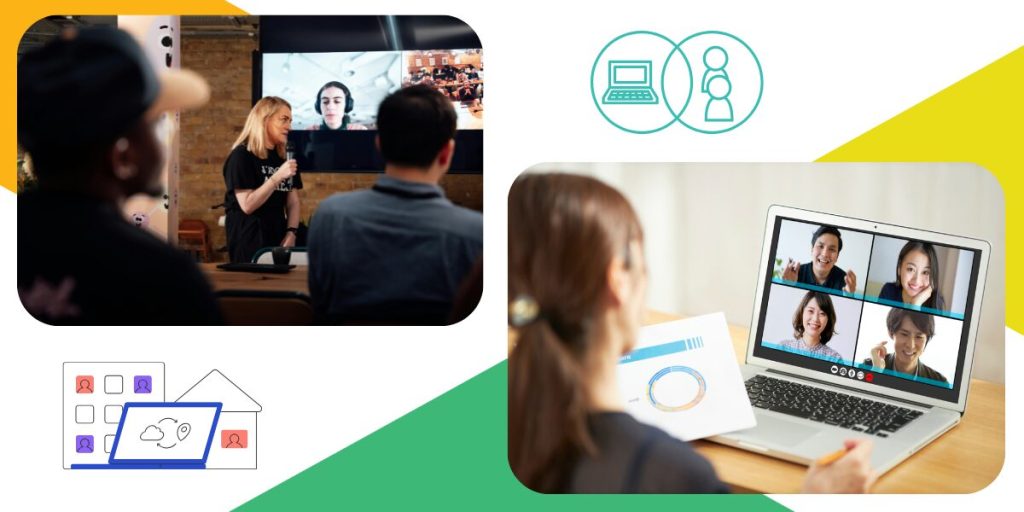
Organizations are increasingly embracing hybrid event models that combine virtual and in-person experiences for greater reach and impact. These blended formats enhance accessibility, reduce environmental impact, and foster inclusive participation. Success relies on robust technology—seamless live streaming, synchronized engagement tools, and integrated platforms that ensure audiences everywhere can connect, interact, and engage in real time.

Virtual and hybrid events significantly cut travel emissions and on-site waste, making them vital to sustainable event strategies. As eco-conscious practices become central to corporate social responsibility, organizers are adopting greener approaches—such as offering digital swag, implementing carbon offset programs, and using paperless engagement tools—to reduce environmental impact while maintaining meaningful attendee experiences.

Advanced analytics are empowering organizers to fine-tune content and audience targeting with precision. By tracking key metrics such as session duration, engagement rates, and conversion performance, event teams can better understand attendee behavior. Post-event data analysis then drives more innovative strategies, enabling continuous improvement and more impactful, data-informed virtual and hybrid event experiences.

Closed captioning, multi-language support, and screen-reader optimization are making virtual events more accessible than ever. These inclusivity features expand audience reach, foster equitable participation, and enhance brand reputation. By adopting tools that prioritize accessibility, organizers ensure every attendee—regardless of ability or language—can fully engage in a seamless, inclusive event experience.
Summary
Here, we discussed the virtual event trends that are shaping 2025, including AI engagement, hybrid events, accessibility, and more. Armed with this knowledge, you can now organize and execute engaging virtual events that meet your attendees’ personal and professional goals while ensuring a return on investment.

The trends defining 2025 reflect a maturing digital event ecosystem driven by innovation and engagement. Successful virtual events now blend advanced technology, creative design, and authentic human connection. To stay ahead, organizers should explore modern platforms like Chati, which embody these evolving trends and empower truly immersive, inclusive, and data-driven event experiences. Please contact Chati if you have any questions regarding how we can improve virtual event trends for the future.
The event technology landscape continues to evolve, rapidly transforming how events are planned, managed, and experienced. Technologies like AI-powered chatbots, real-time translation services, and a suite of emerging digital tools are poised to dominate the industry. Embracing these advancements is crucial for organizers seeking to enhance attendee engagement, optimize operational efficiency, and deliver memorable, future-ready events. Here, we will discuss the top event tech in 2025, including AI chatbots, real-time translation, the role of data and analytics, and more. With this, you will have the tools and resources to prepare for events for the rest of the year.

AI chatbots are intelligent virtual assistants designed to interact with users in real time, providing automated support and enhancing event experiences through personalized communication. In the context of events, they play a pivotal role in answering attendees’ questions, managing ticketing and registration, and delivering instant information, resulting in reducing the burden on event staff. Whether for virtual or hybrid events, chatbots streamline operations by assisting with scheduling, guiding attendees through platforms, and troubleshooting issues as they arise.

Real-time language translation has become essential for global events that aim to engage diverse, multilingual audiences. By leveraging advanced AI and speech recognition technologies, real-time translation tools integrate seamlessly with event platforms to provide instant subtitles, audio translations, and live captioning. This not only breaks down language barriers but also makes events significantly more accessible and inclusive, allowing attendees to participate fully in their native language.

Emerging technologies, such as augmented and virtual reality (AR/VR), are poised to revolutionize event experiences by enabling interactive virtual booths, immersive networking environments, and engaging 3D content. Coupled with AI-powered personalization, events can now offer customized agendas and content tailored to each attendee’s interests and behavior. Additionally, data-driven event management is becoming a game-changer, allowing organizers to monitor engagement, measure return on investment (ROI), and make real-time adjustments to enhance performance and attendee satisfaction.

As event technology continues to evolve, data collection and analysis are becoming central to delivering smarter, more impactful events. Platforms increasingly harness data from AI tools, chatbots, and attendee interactions to gain insights that inform strategic decision-making and refine future event planning. These insights also enable highly personalized experiences, as data is used to tailor content and interactions to individual preferences, ultimately enhancing satisfaction and maximizing the event’s value for every participant.

Integrating AI, real-time translation, VR, and analytics into a unified event platform is key to creating a seamless and efficient experience for both organizers and attendees. By streamlining these tools into a cohesive ecosystem, event planners can simplify their operations while delivering enriched and personalized experiences. Investing in this integrated tech infrastructure now is a strategic move that future-proofs event strategies, allowing organizers to stay competitive and meet evolving audience expectations in the years ahead.
Summary
Here, we will discuss the top event tech in 2025, including AI chatbots, real-time translation, the role of data and analytics, and more. Armed with this knowledge, you are now better prepared to attend virtual or hybrid events that feature the latest event tech that will help you achieve your personal and professional goals.

We emphasize the importance of adopting these technologies to improve attendee engagement, streamline event management, and boost ROI. Please contact Chati to learn how we can enhance the future of event tech and its potential to transform the events industry.
Hybrid events are becoming increasingly popular as organizations seek to expand reach and accessibility. To keep audiences engaged across both formats, delivering a seamless and unified experience is essential. Here, we will discuss the best practices for seamless hybrid event experiences, including planning considerations, technology implementation, bridging the gap between in-person and virtual experiences, common challenges, and the future of hybrid events. Through this, you will have the tools and resources to launch a successful hybrid event while enabling attendees to achieve their personal and professional goals.

Successful hybrid events start with choosing the right virtual event platform and tools that support high-quality streaming, interactive features, and seamless integration with in-person components. Additionally, it's also essential to set clear goals that address the needs and expectations of both in-person and virtual audiences, ensuring that each group finds value in the experience. Through this, you highlight the importance of crafting an engaging agenda that works for both formats, helping to maintain attention and encourage meaningful participation across the board.

Delivering a successful hybrid event involves following live-streaming best practices that ensure high-quality broadcasts, including maintaining strong internet connections, utilizing professional audio-visual setups, and implementing redundancy. Incorporating interactive tools, such as live polls, Q&A sessions, and real-time chat, keeps both virtual and in-person attendees actively engaged. Additionally, leveraging AI-powered networking and matchmaking tools can help attendees connect based on shared interests, enhancing the overall event experience and fostering meaningful interactions across formats.

Encouraging engagement between in-person and virtual attendees is essential to creating an impactful hybrid event experience. This includes strategies such as shared chat channels, cross-platform team activities, and joint Q&A sessions that can help bridge the gap between both groups. Using breakout rooms and roundtable discussions enables deeper, more focused conversations and can be tailored to accommodate mixed-format participants. Gamification techniques can further boost participation by making engagement fun and rewarding for everyone involved.

Managing technical difficulties and ensuring smooth streaming is essential for maintaining the flow of a hybrid event, which means having strong IT support, testing all equipment beforehand, and preparing contingency plans. To keep remote attendees engaged throughout the event, organizers should provide interactive content, offer real-time support, and provide opportunities for virtual networking. Ultimately, balancing content delivery for both online and in-person audiences necessitates thoughtful planning to ensure that all participants feel equally valued and involved.

Emerging trends in hybrid event technology are rapidly transforming the way audiences connect, with platforms becoming more immersive, interactive, and data-driven. Innovations like AI, augmented reality (AR), and virtual reality (VR) are enhancing hybrid event experiences by enabling personalized content, realistic virtual environments, and more intelligent networking. As these technologies continue to evolve, hybrid events are proving to be a flexible and inclusive format that meets the diverse needs of modern audiences.
Summary
Here, we discussed the best practices for seamless hybrid event experiences, including planning considerations, technology implementation, bridging the gap between in-person and virtual experiences, common challenges, and the future of hybrid events. We encourage event planners to implement best practices for hybrid events, ensuring a seamless experience for attendees and organizers while enabling them to achieve their personal and professional goals.

Please contact Chati for inquiries about exploring hybrid event solutions for future success, which can lead to a more diverse and inclusive world where individuals from all backgrounds can connect and engage with one another, regardless of geographic location.
Virtual events are designed to enable individuals worldwide to connect and engage with each other about the latest research, career options, professional advice, and more. An often-overlooked aspect of virtual events is their ability to be environmentally friendly, as they significantly reduce the carbon footprint for a myriad of logistical ventures.
These ventures include reduced carbon emissions and travel-related costs, highlighting the growing importance of eco-friendly practices in the events industry. Here, we will discuss this ever-increasing importance, including comparing the environmental impact between traditional and virtual events, best practices, the future of sustainable virtual events, and more. You will have the tools and resources to host an impactful and sustainable virtual event through this.

Travel and logistics comprise the largest requirements for traditional in-person events and are responsible for how in-person events contribute to carbon emissions. The resources used in conventional event setups include venue, materials, food & beverage, lodging, Ubers, cabs, electricity, and water. This results in significant waste generated by conferences, trade shows, and exhibitions, exacerbating carbon emissions worldwide.

Reducing travel-related emissions by bringing events to attendees online is crucial for establishing a cleaner and greener environment for future generations. The digital nature of virtual events minimizes the need for physical materials and venues, thus significantly reducing the carbon footprint and waste produced by traditional events. This highlights how virtual platforms can host large-scale events without the environmental impact of conventional events, resulting in reduced physical waste and wasted time and energy by attendees who otherwise would have to travel to the event in person.

Lower venue and logistical costs with virtual platforms are one of the most essential ways to cut costs through virtual events, including reduced fees for travel, catering, and accommodation for in-person attendees. Through this, you highlight the importance of streamlined event management and reduced waste, contributing to a more affordable and sustainable event experience.

Choosing eco-friendly virtual event platforms focusing on sustainability is one of the most essential best practices for sustainable virtual events. This results in minimizing digital waste through energy-efficient technologies and reducing resource consumption while incorporating sustainability messages and promoting green practices to event participants. Through this, you highlight the importance of using virtual networking and event management tools to enhance attendee interaction while maintaining a low carbon footprint.

Combining in-person and virtual elements to reduce environmental impact is the cornerstone of hybrid events, as this enables attendees to choose to participate in person or online while contributing to the event in the same manner. Through this, hybrid events balance attendee engagement and sustainability while using virtual platforms to extend hybrid events' reach and maintain eco-friendly practices.

Emerging trends in virtual event technologies that support sustainability are vital to embrace to ensure a cleaner and greener future for everyone. This includes how integrating artificial intelligence (AI), augmented and virtual reality (AR/VR), and automation can make future events more eco-friendly. Through this, you highlight the importance of sustainability in shaping event industry standards and attendee expectations while maximizing the event experience and helping attendees achieve their personal and professional goals.
Summary
Here, we discussed the growing importance of event sustainability, including comparing the environmental impact between traditional and virtual events, best practices, the future of sustainable virtual events, and more. Now, you can provide individuals worldwide with an impactful and eco-friendly event while reducing waste and carbon emissions and enabling your attendees to achieve their personal and professional goals.

We encourage event planners to embrace virtual and hybrid as sustainable solutions that reduce waste while maximizing impact and event experience. We encourage readers to contact Chati to explore sustainable virtual event platforms and take steps towards a greener future for your events.
Virtual events have enabled online technology to advance in ways never before imagined, and this is especially true with the rise of artificial intelligence (AI) and automation, which provide virtual events an extra level of engagement and excitement while still providing the same level of impact for everyone. Automation transforms attendee engagement by ensuring maximum satisfaction, session participation, immediate improvements, and adaptability.
We will discuss why AI is essential for future virtual event success, including enhancing engagement, event optimization, and more. Through this, you will have the tools and resources to use AI in the most productive ways with the goal of maximizing attendee engagement.

AI streamlines event planning and execution by simplifying the event planning process, including venue selection, scheduling, attendee engagement, and post-event data analysis. AI enhances attendee engagement by providing session suggestions, real-time attendee behavior monitoring, and on-the-fly decision-making during the event.
AI-powered chatbots can be used for instant attendee support when issues arise, including questions about specific sessions, event navigation, or personalized communication from real individuals.
Automating session recommendations and content curation is a fascinating way to enhance attendee engagement, as this provides attendees with a personalized experience while guiding them to sessions relevant to their personal and professional goals.

AI-powered networking and intelligent matchmaking enable attendees to connect based on career goals, personal or professional interests, industry, and reasons for attending the virtual event. This is accomplished through pre-event surveys that are input into AI algorithms, which then perform instant matchmaking suggestions to maximize attendee engagement.
Personalized event experiences using AI algorithms are an excellent way to enhance attendee engagement, including ticketing, registration, automated agenda, navigation, exhibitor connections, and post-event feedback.
Finally, real-time sentiment analysis for attendee feedback provides event organizers with necessary data regarding attendee engagement, satisfaction, and social media monitoring, while being able to conduct immediate actions and make on-the-fly adjustments.

AI improves attendee tracking and behavior analysis through the virtual event by providing real-time feedback on attendee engagement and satisfaction, including all sessions, breakout rooms, gamification, and post-event analysis.
Using AI-generated reports to refine future events is an excellent way to improve upon mistakes and glitches from previous virtual events, thus providing enhanced levels of attendee engagement and impactful experiences.
Finally, predictive analytics for better event decision-making is essential for ensuring a seamless attendee experience while immediately addressing all concerns and issues that arise throughout the virtual event.

Emerging AI trends in event technology include virtual and augmented reality (VR/AR), enhanced personalization, sustainability, immersive content, facial recognition, chatbots, event marketing, engagement insights, and more.
The potential of AI-driven virtual reality experiences will enable attendees to reach new heights of engagement and connectivity with other attendees while working to achieve their personal and professional goals.
Finally, ethical considerations and AI transparency in events ensure maximum trustworthiness, including data handling strategies, AI algorithms, and clear communication is achieved so attendees can be secure in participating in the virtual event.
Summary
We discussed why AI is essential for future virtual event success, including enhancing engagement, event optimization, and more. With this knowledge, you now have the tools and resources to host impactful virtual events that maximize attendee engagement and connectivity with individuals worldwide.

We encourage event planners to adopt AI-driven strategies to maximize attendee engagement and satisfaction and stay updated on how Chati can improve our use of AI in our virtual events. Contact Chati to explore how AI can enhance attendee engagement in your next virtual event and help attendees achieve their personal and professional goals.
Virtual and hybrid events offer fantastic opportunities for the event management industry to connect and engage with individuals worldwide in a safe and fun environment while building their brand and fostering lasting relationships. This is why the significance of virtual event platforms in the event management industry is so important, as the event management industry is involved in drafting, designing, and executing a myriad of events worldwide.
Here, we will discuss how Chati's solutions enhance event planning, execution, and attendee engagement by creating engaging events, ticketing and registration, utilizing analytics, promoting sustainability, and more. These solutions give you the tools and resources to host an engaging and impactful virtual or hybrid event.

Chati simplifies the event planning process for organizers by streamlining the options for hosting a virtual or hybrid event, including scalability, global reach, self- and full-service event options, event scheduling, task management, team collaboration tools, and much more.
Through this, event organizers can seamlessly plan virtual or hybrid events while focusing on the features and sessions connecting individuals worldwide. This underscores the benefits of streamlined coordination and reduced logistical complexities, as Chati provides all the necessary tools and resources to host a successful virtual and hybrid event.

Chati supports the creation of engaging virtual and hybrid events with our myriad features, including customizable event spaces, interactive sessions, and multimedia integration, which provide impactful experiences for attendees, guest speakers, and organizers. Additionally, our gamification and matchmaking features provide attendees with extra fun and excitement, enabling them to connect in a safe and collaborative environment. These features highlight the importance of engaging attendees to enhance their virtual and hybrid event experience.

Chati enhances networking opportunities for attendees with virtual lounges, breakout sessions, and one-on-one networking features. This includes ChatiConnect Video Chat, which provides flexible chat rooms, secure video conferencing, and extensive data & analytics that encourage engagement and connectivity for everyone. This underscores Chati's commitment to engaging attendees to enhance their virtual or hybrid event experience. These features highlight the role of networking in fostering connections and building professional relationships.

Ticketing and registration are vital components of any virtual or hybrid event. They provide attendees with guaranteed access to the event, enabling them to adequately prepare for engaging with guest speakers and other attendees. Chati believes in the importance of efficient ticketing and registration processes in event management, which is why we offer solutions for online registration, payment processing, and attendee management. This highlights the benefits of a seamless registration experience for organizers and attendees.

Chati enables interactive workshops and sessions for event participants, enhancing engagement and connectivity between attendees and guest speakers. This includes features such as live Q&A, polls, and group activities that help participants with the opportunity to engage with each other and potential guest speakers, resulting in fostering lasting relationships with individuals worldwide. These features highlight the impact of interactivity on attendee engagement and knowledge retention that participants will continue to practice well after the event has ended.

Successful virtual and hybrid events monitor what features provide the most impactful experience, making analytics' role in measuring the success of events managed on Chati much more critical. This includes metrics such as attendee management, session popularity, and feedback collection that enables event organizers to give the insights they need to improve their virtual events in both the short and long term. Through this, Chati highlights the importance of data-driven insights for optimizing future events and improving the overall effectiveness of a virtual or hybrid event.

Chati's platform creates enhanced sponsorship opportunities for event organizers that elevate brand recognition with personalized packages and comprehensive analytics. This includes features like branded virtual space, sponsor visibility, and engagement metrics that enable sponsors to build their brand while connecting with individuals worldwide. Additionally, Chati offers customizable sponsorship packages for various financial and engagement needs. Through this, Chati highlights the benefits of maximizing sponsor return on investment (ROI) through innovative sponsorship solutions.

In an age when climate change is at the forefront of our minds, virtual event platforms like Chati are proud to promote sustainability in the event management industry by offering eco-friendly solutions that will explore opportunities to reduce carbon footprints, minimize waste, and promote digital content. This is accomplished with reduced travel, food production, and venue services that typically contribute to increased carbon emissions worldwide. Through this, Chati highlights the importance of eco-friendly practices in modern event management, leading to a cleaner and more sustainable future for everyone.
Summary
Here, we discussed the benefits and applications of Chati's platform for the event management industry, including event planning, execution, and attendee engagement through creating engaging events, ticketing and registration, analytics utilization, promoting sustainability, and much more. Through this, we are confident Chati can provide you with the tools and resources to host an engaging and impactful virtual or hybrid event for individuals worldwide.
We emphasize leveraging Chati's virtual event solutions to enhance planning, engagement, and overall event success, which will help you build your brand while enabling your attendees to foster lasting relationships.

We encourage event management professionals to explore Chati's virtual event solutions for their upcoming events. We are confident that Chati can provide the most engaging and impactful virtual or hybrid events for both you and your attendees. We invite readers to contact Chati for a demo or consultation on implementing virtual event strategies, along with information on further inquiries and partnership opportunities.
Virtual events are successful due to their myriads of features that help enhance attendee engagement throughout the event, with gamification becoming one of the cornerstone features designed to promote safe and friendly competition while building lasting relationships for individuals worldwide.
Here, we will discuss the various gamification strategies that you can implement for your next virtual event to promote friendly competition among your attendees. These strategies include using relevant gamification elements, trivia, providing incentives and rewards, integrating into your virtual event platform, and much more. By doing so, you increase diversity, inclusivity, and connectivity for everyone.
All endeavors begin with a solid foundation, and defining clear objectives for incorporating gamification in your virtual event is an essential first step in building an effective gamification strategy. This is accomplished during the planning stages of your virtual event, which often begins months before the event itself, as this provides ample time to adjust based on trends and other factors.

These factors include aligning gamification strategies with event goals and audience preferences, as gamification aims to promote attendee engagement. Therefore, gaining attendee insight before the virtual event via email surveys or other means is an excellent way to establish the types of gamification features that will maximize engagement throughout the virtual event.
Additionally, establishing key performance indicators (KPIs) for measuring gamification success is vital for determining which gamification features hit your engagement goals and which can be discarded during virtual or future virtual events.
Selecting gamification elements that align with your event theme and content will help you maintain continuity throughout the virtual event, enabling your attendees to stay engaged while building your brand. This is accomplished through establishing your event theme during the planning stages of the virtual event, which is recommended to occur months in advance.

Consider gamification mechanics such as points, badges, leaderboards, and challenges to incentivize participation among your attendees. This can be accomplished publicly or privately, but determining the best approach should be established before the virtual event when gauging audience preferences through email surveys or other means, along with informing your attendees beforehand.
Determining which gamification features resonate most with your attendees is essential for hosting a successful virtual event. Through this, you build camaraderie while fostering lasting relationships with individuals from all over the world.
When planning your virtual event, you should focus on creating engaging, gamified activities that encourage participation and interaction. This is accomplished by informing attendees about your gamification features leading up to the event and establishing a framework that enables them to come prepared to participate and engage throughout the virtual event.
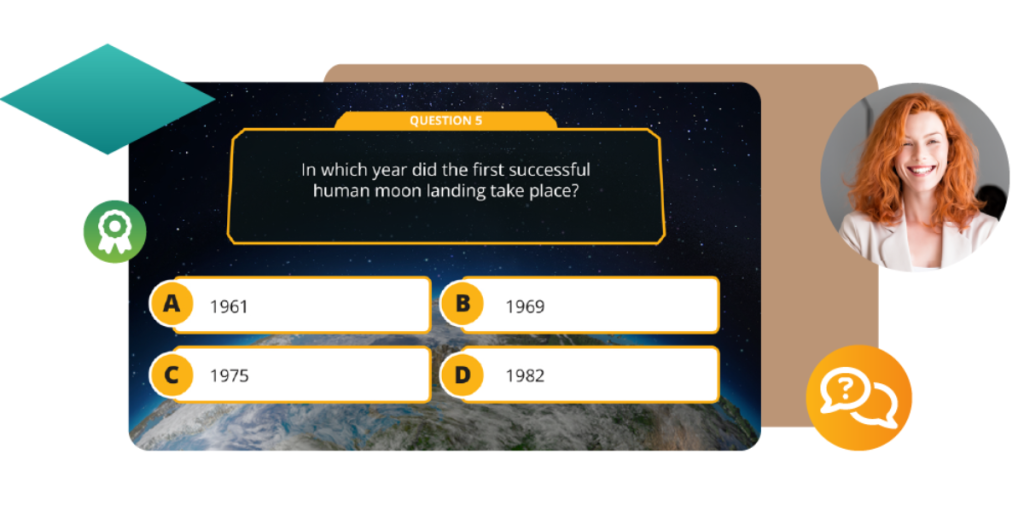
Developing challenges, quizzes, trivia, or scavenger hunts relevant to your event topic will help establish continuity throughout the virtual event while building your brand among your attendees. As mentioned above, this is accomplished during the planning phase of your virtual event, where you can use audience preferences combined with your theme to build every aspect of the gamification features down to the smallest detail.
Incorporating gamified elements throughout your event agenda and content will help maximize engagement while enabling attendees to foster lasting relationships. This will increase diversity, inclusivity, and connectivity for individuals from all over the world.
Offering incentives and rewards to motivate attendees to participate in gamified activities is a surefire way to get attendees excited about your virtual event. This can be accomplished via pre-event emails or texts, providing one to two examples of rewards while keeping the rest for the virtual event.
Examples of incentives and rewards include providing prizes, discounts, or exclusive access to high-scoring participants, which can be redeemable once the virtual event has concluded. This allows your attendees to maximize their participation in a safe and competitive environment while fostering relationships with individuals from all over the world.
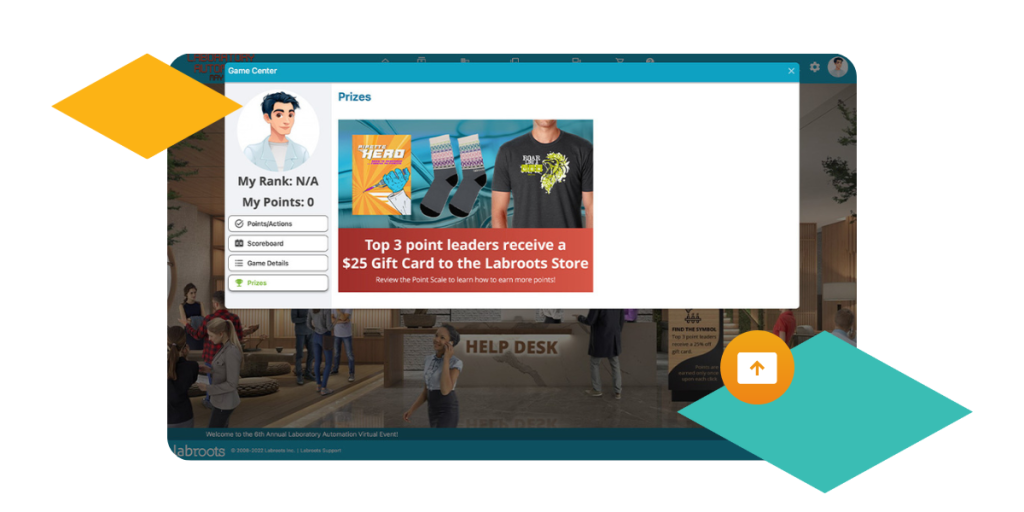
It cannot be understated how important it is to create a sense of achievement and recognition for participants who engage with gamification during your virtual event. This enables your attendees to foster lasting relationships while increasing diversity, inclusivity, and connectivity with individuals from all over the world.
Fostering healthy competition among attendees through leadership and rankings is another crucial aspect of your gaming experience that could maximize your attendees' participation throughout the virtual event. As noted above, this can be accomplished either publicly or privately, but it should be established during the planning phases of the virtual event and informed to your attendees beforehand.
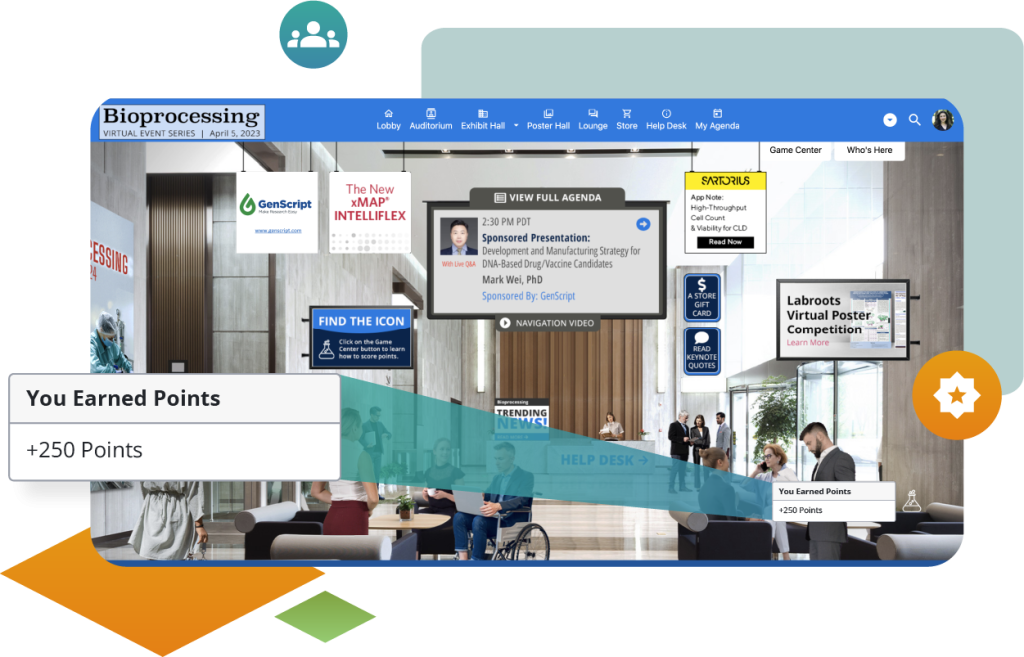
Additionally, encouraging collaboration and teamwork through group challenges and collaborative activities is an excellent way to maximize attendee participation throughout the virtual event. This can be accomplished via pre-event email reminders and periodic reminders throughout the virtual event. This increases diversity, inclusivity, and connectivity for individuals from across the globe while enabling them to foster lasting relationships.
Providing opportunities for attendees to connect and interact through gamified elements cannot be understated. This enables individuals from all personal and professional backgrounds to engage and connect while building your brand and helping them build their virtual networking skills.
Integration is essential for a successful virtual event and attendee experience. You can accomplish this by utilizing gamification features built into your virtual event platform or software prior to the event. You should test every aspect of the integrations several weeks to months in advance to ensure that everything is fully functional without flaws or bugs that could hinder your virtual event.

Also, exploring third-party gamification tools and platforms for enhanced engagement could serve as a primary or backup method for gamification should your integration strategies fail. As stated above, this can be accomplished during the virtual event's planning stages to ensure whether integration or a third party is more appropriate for your gamification needs.
Finally, it is recommended that you seamlessly integrate gamification elements into your event registration, sessions, and networking areas to maximize attendee engagement. This will help build your brand while enabling your attendees to develop their virtual networking skills.
As noted above, it is recommended to establish gamification elements and features during the virtual event's planning stages. Pre-event marketing can also generate excitement and anticipation for gamification. This can be accomplished via pre-event emails and surveys, along with creating social media accounts strictly for the virtual event itself.
Providing clear instructions and expectations for participating in gamified activities is essential to achieve a seamless experience for your attendees. As noted above, this can be accomplished during the planning stages of the virtual event via pre-event emails and texts, which will keep your attendees up to date with the latest information about your virtual event gaming experience.

It cannot be understated how important it is to use event communication channels to remind attendees about gamification opportunities throughout the event. This will ensure that both the event organizers and the attendees are on the same page regarding the gamification features, ensuring a seamless experience throughout the virtual event's duration.
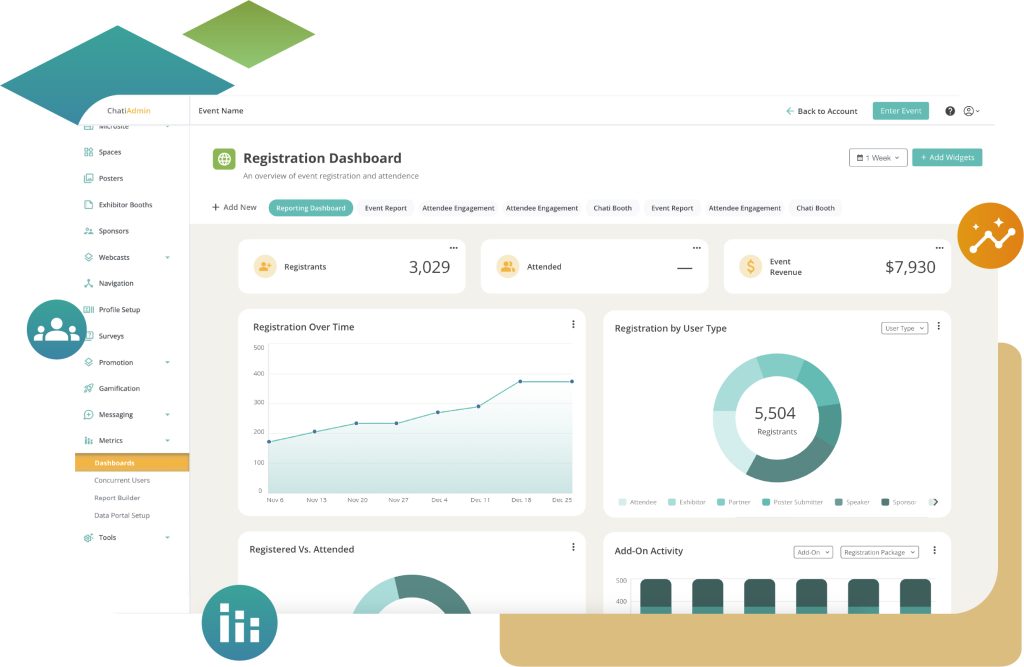
During the virtual event, it is recommended that you track and analyze data related to gamification performance and engagement metrics to ascertain attendee participation and make on-the-fly changes for the current event or even for future events. This will maximize attendee engagement while helping them build their virtual networking skills.
This includes monitoring participation rates, points earned, and feedback from gamification participants to improve the gamification experience for everyone. This can be accomplished with support personnel and artificial intelligence software. This will ensure a constant dialogue between attendees and event organizers while increasing diversity, inclusivity, and connectivity for everyone.
Using data insights to identify successful gamification strategies and areas for improvement is vital for not only the current virtual event but also future virtual events. This ensures constant dialogue between event organizers and attendees while striving to improve gamification features in the short and long term.

Feedback is essential for improving future events, and gathering feedback from participants on their gamification experience is vital to improving both current and future virtual event engagement. We also recommended that you consistently experiment with new gamification ideas and adjust based on attendee preferences to ensure maximized engagement and improvement for those strategies.
The planning stages of a virtual event set the foundation for the event's goals. Evaluating gamification success based on key performance indicators (KPIs) and objectives will ensure you maximize attendee participation while building your brand and helping attendees achieve their goals.
This includes determining the return on investment (ROI) and impact of gamification on attendee engagement and event satisfaction. This will help ascertain what gamification strategies worked and which ones didn't achieve your goals. This will allow you to use insights to inform future event planning and gamification strategies, which will lead to increased diversity, inclusivity, and connectivity for everyone.
Here, we discussed strategies for incorporating gamification into your virtual event, including establishing clear goals and objectives, providing incentives and rewards, promoting the gamification experience before the event, and much more. We emphasize the importance of engagement and interaction in virtual events to create memorable and impactful virtual experiences for everyone through gamification.

We encourage our readers to implement gamification strategies in their virtual events to maximize attendee engagement and participation, build your brand, and enhance the attendees' virtual networking skills. Additionally, we invite readers' feedback and comments on how Chati can improve our gamification experience for our attendees. Contact Chati for further information regarding our gamification features and schedule a demo today!
Virtual events have helped a myriad of industries connect people and share ideas worldwide. Given how much the world of finance plays in our daily lives, it's even more vital to enable this industry to connect with each other and keep the flow of money and financial decisions constant and seamless for everyone.
This is why Chati is a proud partner of financial organizations that aim to connect shareholders, employees, and managers while simultaneously providing sound financial education and thought leadership. Here, we will discuss the role of virtual event platforms like Chati in the finance industry and the impact this has, including Chati's key features, client engagement, thought leadership, and much more.

Virtual events play a significant role in the financial sector by connecting shareholders, employees, and managers while providing financial education and thought leadership. This results in making sound financial decisions for clients and customers worldwide through seamless communication, thus increasing diversity, inclusivity, and connectivity for everyone.
Virtual event platforms enhance communication, collaboration, and client engagement through various means, including entrepreneurship, financial independence, homeownership, artificial intelligence (AI), and more. Through this, sharing ideas and knowledge is at the forefront of financially themed virtual events.
Chati's solutions address specific needs and challenges in the finance industry, including ensuring that customers, clients, and shareholders have the most up-to-date information and data to make sound financial decisions worldwide.
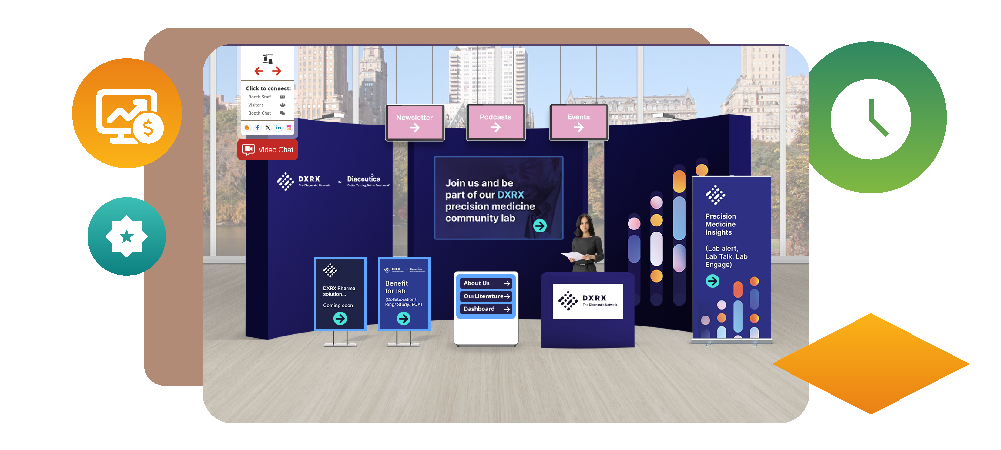
The core features of Chati's virtual event platform tailored for finance include investor meetings, training & education, and financial conferences & summits. Through this, Chati can connect attendees with both each other and financial experts to make the most sound financial decisions worldwide.
Examples of functionalities include secure virtual meetings, customizable virtual spaces, and interactive sessions that enable seamless connectivity and engagement for the above individuals, increasing diversity, inclusivity, and connectivity worldwide.
These features cater to the unique requirements of financial institutions for compliance and client interaction due to the regulatory obligations they must uphold, including providing transparency and sound, end-to-end financial advice.

Chati's virtual event solutions improve client engagement and relationship management through investor meetings, training and education, and financial conferences and summits. This allows financial institutions to have a global reach of their clients and shareholders, increasing diversity, inclusivity, and connectivity for everyone.
Additionally, Chati provides virtual client meetings, financial webinars, and personalized advisory sessions that enable the seamless sharing of financial advice, expertise, and industry trends with individuals worldwide.
The benefits of enhancing client interactions through interactive and personalized virtual experiences cannot be understated. The flow of money and financial decisions around the world is only possible with seamless engagement and connectivity, which increases diversity, inclusivity, and connectivity for everyone.
Security and regulatory compliance in financial virtual events are top priorities. Financial knowledge should be shared only between individuals, specifically clients, customers, shareholders, and managers. If this security is breached, it could lead to a wide range of financial difficulties for individuals worldwide.
Chati is proud to offer measures for data security, encryption, and compliance with financial regulations that enable seamless communication and connectivity with clients, customers, and financial planners worldwide.
The role of secure communication channels in maintaining client trust and meeting regulatory requirements cannot be understated. They provide a safe environment for financial discussions while ensuring sound financial knowledge is shared among all parties.
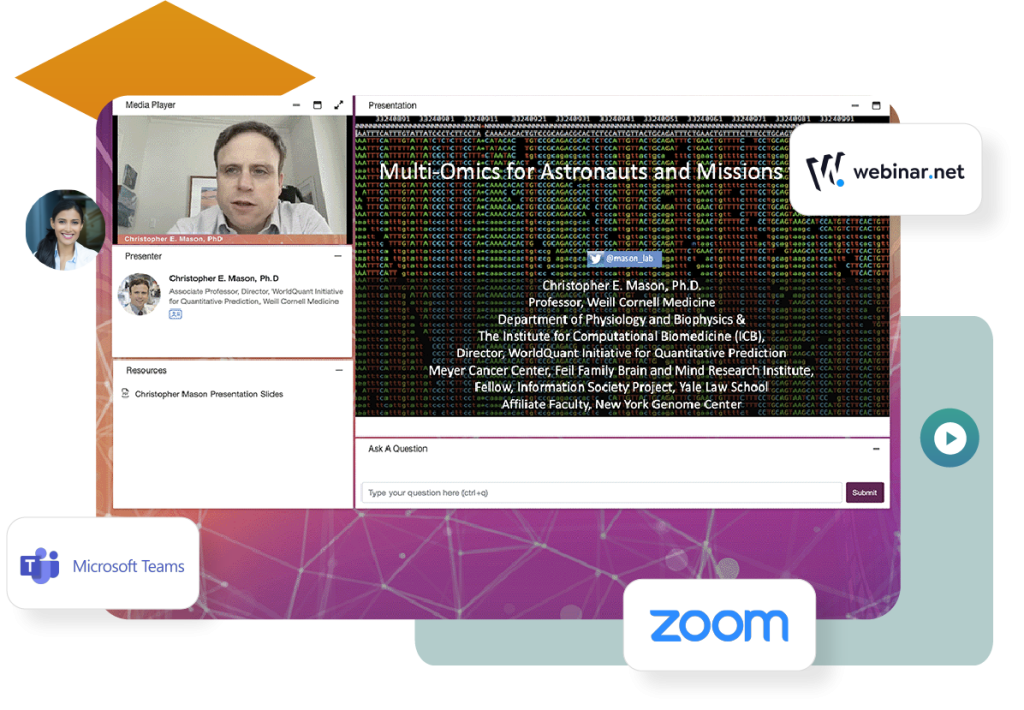
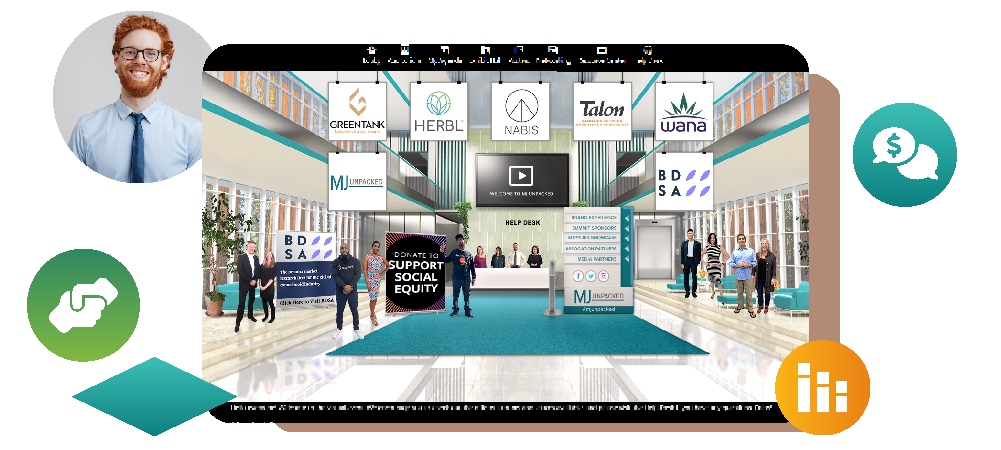
Virtual event platforms support thought leadership and knowledge sharing in finance through their myriad features and tools, including video chat, branded auditoriums, live chat rooms for networking, and resource hubs for additional information. This allows clients, customers, and shareholders to stay up to date with the latest financial trends and reports, enabling them to make the most sound financial decisions going forward.
Virtual event platforms provide opportunities for hosting industry conferences, expert panels, and educational webinars that enable the sharing of financial information and knowledge with individuals worldwide. This ensures clients and shareholders receive sound financial information while also increasing diversity, inclusivity, and connectivity for everyone.
The benefits of positioning financial organizations as industry leaders through insightful content and expertise cannot be understated. The sharing of financial knowledge ensures a more financially secure future for everyone.
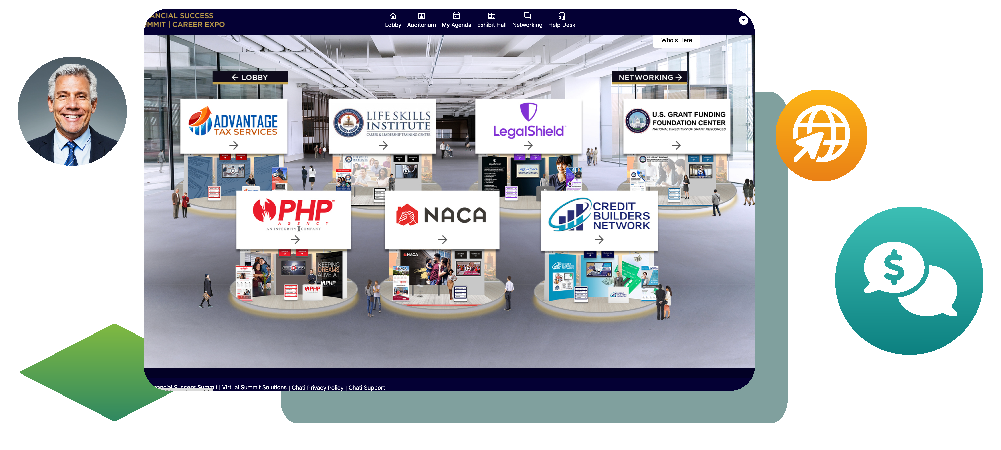
The role of analytics in measuring the success and return on investment (ROI) of virtual events in finance is paramount for ensuring attendees and event organizers remain seamlessly connected. Through this, the sharing of financial information and knowledge is maintained for individuals worldwide.
Metrics such as attendee engagement, lead generation, and content performance are analytics that can be monitored throughout the virtual event using AI or the event organizers. Through this, you ensure your attendees are engaged and seamlessly connected with experts and financial advisors, enabling them to receive the most impactful financial advice for their future.
The importance of data-driven insights in optimizing event strategies and demonstrating value to stakeholders cannot be understated, as they provide a sound means to maintain peak engagement levels throughout the virtual event.

Here, we discussed the benefits and capabilities of Chati's virtual event solutions in finance. Our goal is to connect clients, customers, shareholders, experts, and others with the tools and resources they need to make sound financial decisions worldwide.
We strongly emphasize leveraging virtual event platforms to drive engagement, compliance, and thought leadership in finance. Virtual events are a proven and effective method for providing impactful financial decisions and advice for individuals around the world. With Chati, you can maximize your ROI for your virtual event and economic goals while increasing diversity, inclusivity, and connectivity for everyone.
We strongly encourage financial organizations to explore Chati's virtual event solutions for their communication and engagement needs. Chati has a proven track record of providing clients, customers, shareholders, and experts with the tools and resources required to maintain seamless engagement and achieve financial goals for individuals around the world.
We invite readers to contact Chati for a demo or consultation on implementing virtual event strategies. We are confident that you will receive the required information and knowledge to use virtual event strategies for your financial needs.