Discover how Chati's self-service licenses give you full control - build, update, and launch virtual events on your terms. Register for our free webinar today!
Event management has evolved from basic coordination to strategic planning, now essential for success. This post explores its transformation, highlights the value of strategy, and offers readers practical insights to plan and execute impactful events. Here, we will explore proven strategies for successful event management, including key phases, must-have tools, navigating logistics, common challenges, and more. Through this, you will have the tools and resources to plan and execute successful event management strategies with the goal of helping your audience achieve their personal and professional goals.
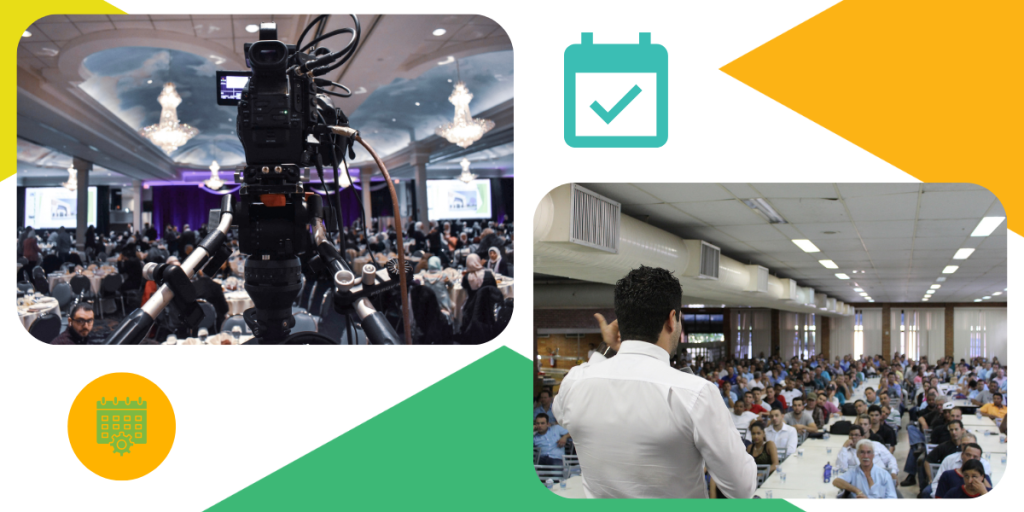
From corporate events to virtual and hybrid experiences, conferences, trade shows, weddings, and galas, today’s events embrace diverse formats, each designed to connect people, foster engagement, and create lasting memories for businesses, organizations, and individuals alike.

Successful events require thoughtful conceptualization and goal setting, precise budgeting, and efficient resource allocation. From venue selection and vendor coordination to marketing, on-site logistics, and post-event evaluation, each stage plays a crucial role in delivering impactful, well-executed experiences.

Modern events thrive by incorporating technology like AR/VR, event apps, and live streaming, while personalizing attendee experiences. Leveraging data analytics, feedback tools, and prioritizing accessibility and inclusivity ensures every participant feels engaged, valued, and seamlessly connected to the event’s purpose.

Event success is enhanced through event management software platforms, CRM and registration tools, live polling, and engagement apps. Combined with project management software, these technologies streamline planning, boost attendee interaction, and ensure seamless coordination from concept to post-event evaluation.

Effective event promotion leverages social media campaigns, targeted email marketing workflows, and influencer or speaker partnerships. By creating buzz with engaging pre-event content, organizers can maximize visibility, build anticipation, and drive strong attendance for a memorable, impactful experience.

Successful events rely on clear vendor contracts and contingency plans, detailed timelines and run-of-show, and seamless staff and volunteer coordination. Prioritizing guest management and safety protocols ensures smooth execution, minimized risks, and a positive experience for all attendees.

Sustainable events embrace eco-friendly practices like digital invitations and zero-waste initiatives, while integrating DEI considerations into programming. By prioritizing local sourcing and community engagement, organizers create inclusive, responsible experiences that positively impact both attendees and the surrounding environment.

Event success requires anticipating challenges like budget constraints, last-minute cancellations, venue or technology issues, and low attendance. Proactive planning, contingency strategies, and targeted promotion help mitigate risks, ensuring smooth execution and strong participation despite unexpected obstacles.
Summary
Here, we discussed essential event strategies and tools for event management, including key phases, must-have tools, navigating logistics, common challenges, and more. Armed with this knowledge, you now have the tools and resources to host successful events that enables strong attendee engagement.

We encourage readers to stay agile and innovative in their planning involving event management. To deepen your expertise, please contact Chati regarding how you can incorporate these strategies into your next virtual event.
Virtual events have transformed how people connect and collaborate by enabling a safe and inclusive environment that fosters innovation and engagement, regardless of geographic location. Some of the many features that make virtual events effective in connecting people include matchmaking, exhibit halls, networking features, and breakout rooms.
Here, we will discuss the role of breakout rooms as a critical feature in enhancing engagement, fostering collaboration, and adding depth to virtual events, including the importance, value, key features, and tips for breakout rooms. Through this, we are confident you will have the tools and resources needed to host impactful virtual events highlighted by impactful breakout rooms.

Virtual events typically comprise large numbers of attendees, making it challenging to maximize engagement and connectivity with each other. Breakout rooms offer smaller, private meeting spaces with a more significant virtual event to optimize engagement and connectivity on a micro-scale. Breakout rooms work in virtual event platforms like Chati by emphasizing connection and collaboration, specifically with ChatiConnect, providing seamless chat room management, small group discussions, brainstorming sessions, and much more.

Breakout rooms provide active participation and interaction opportunities through smaller environments where attendees won’t feel as pressured to engage and collaborate. Breakout rooms offer personalized experiences as attendees can introduce themselves to only a few people at a time and learn from individuals worldwide while striving to achieve their personal and professional goals. Through this, breakout rooms allow for scalable networking by providing tailored discussions and activities while enabling effective group interactions, even in large-scale virtual events.

A primary practical use of breakout rooms is brainstorming sessions, which enable participants to collaborate in smaller, focused groups while maximizing engagement and innovation for attendees. This includes workshops and training sessions, which provide hands-on, interactive learning environments, enabling networking opportunities for attendees to facilitate meaningful connections through targeted group discussions. Additionally, breakout rooms provide team-building activities that encourage collaboration and relationship-building through group exercises that encourage problem-solving discussions that enable attendees to break complex issues into manageable group discussions.

Breakout rooms are not just limited to specific types of virtual events, as they can be tailored and personalized to meet the needs of event organizers and attendees. These include corporate meetings and conferences aimed at enhancing productivity and focus for managers and employees while focusing on the future through collaboration and innovation from everyone. Additional types include educational webinars that support deeper learning and student engagement, trade shows and expos that provide private spaces for exhibitor-participant interactions, and virtual networking events that enable structured and casual conversations designed to foster lasting relationships.

Breakout rooms offer key technological features that enhance the attendee experience while maximizing connectivity and engagement for everyone. This includes customization options where event organizers can discuss room size, session timing, and participant control; integration with other event features that emphasize seamless transitions between the main event and breakout rooms; interactive tools that mention polls, whiteboards, and screen sharing capabilities; and data tracking and analytics that provide insights on participation and engagement so event organizers can provide the most impactful virtual events going forward.

Chati is proud to offer breakout rooms in our virtual events to maximize engagement and collaboration for individuals worldwide. Chati’s breakout rooms stand out from other virtual event platforms through ease of use, robust customization, and rich interactive tools. Through this, Chati continues demonstrating its premier and high-performing cadence for delivering impactful virtual event experiences for individuals worldwide.

Breakout rooms are successful because objectives are defined, and clear goals are set for each breakout session, which lays the foundation for hosting successful breakout rooms. This also includes proper planning and preparation where organizers share best practices for organizing and moderating breakout rooms, encouraging participation that offers strategies to engage all participants effectively, and following up with attendees while emphasizing the importance of recapping and integrating breakout room discussions into the main event.
Summary
Here, we discussed the role of breakout rooms as a critical feature in enhancing engagement, fostering collaboration, and adding depth to virtual events, including the importance, value, key features, and tips for breakout rooms. In the future, you will have the tools and resources to use breakout rooms to create impactful and meaningful experiences for attendees worldwide.

We invite readers to explore how Chati can enhance their virtual events with breakout rooms, specifically through ChatiConnect, and we encourage readers to contact Chati for further information about how breakout rooms can enhance virtual event experiences for attendees, organizers, employees, and guest speakers.
Virtual event platforms enable companies worldwide to plan and host engaging and fun virtual events for many individuals, including students, clients, customers, employees, and others. As a result of the COVID-19 pandemic, the number of virtual event platforms has increased dramatically, allowing for greater diversity, inclusivity, and connectivity for individuals from all over the world.
When hosting a virtual event, choosing the right virtual event platform is crucial. This enables you to meet the goals of your virtual event needs, whether it’s specific features or seamless engagement. With the number of virtual event platforms increasing every year, researching the right platform to meet your goals will enable a successful event for both you and your attendees.
Here, we will examine the top 10 essential features for searching for the right virtual event platform. These include user experience, engagement tools, customization, content delivery, interaction features, and more. By doing so, you will better understand the key features that you could use to make your virtual event much more successful.
When choosing the right virtual event platform, intuitive navigation or finding things quickly and easily should be a top priority. This enables your attendees to seamlessly navigate your virtual event without the need for outside assistance, giving them a sense of comfort and ease even before they begin to engage with other attendees and guests.
Additionally, the virtual event platform that you choose should emphasize a user-friendly interface for attendees and organizers. This further enables a seamless user experience since all features and tools will be easily accessible for everyone without the need for outside assistance.
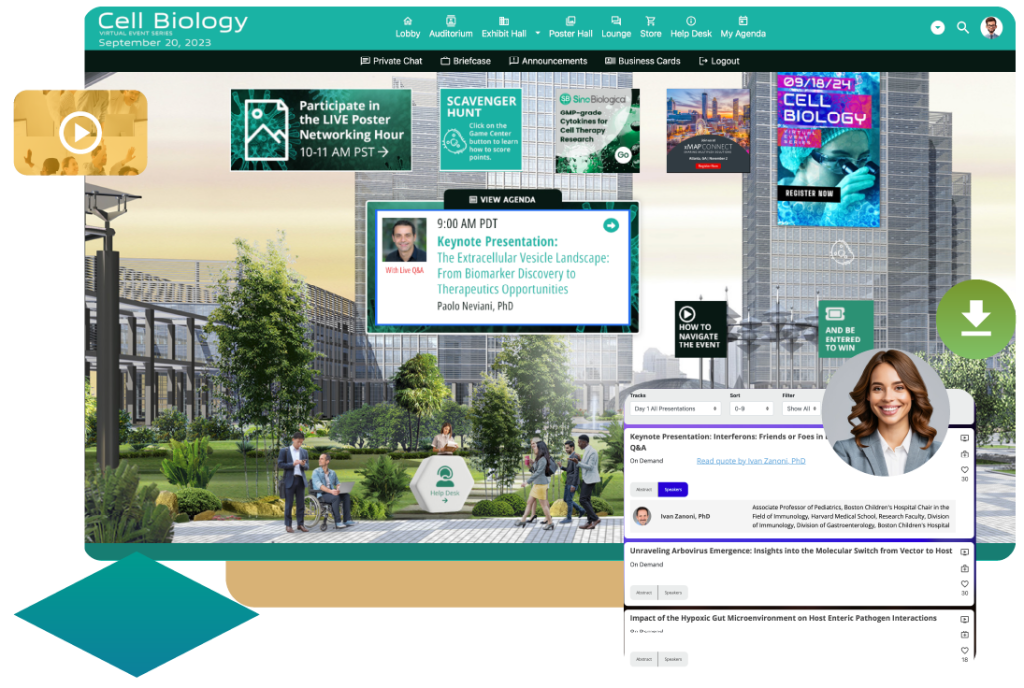
The final aspect of finding a virtual event platform with a seamless user experience is accessibility considerations, as your attendees and organizers will most likely require seeing- and hearing-impaired accommodations and might even require outside assistance to navigate the event. Additionally, some might have concerns regarding their internet connection, and choosing a virtual event platform that can assist them with this will prove instrumental in ensuring a better user experience.
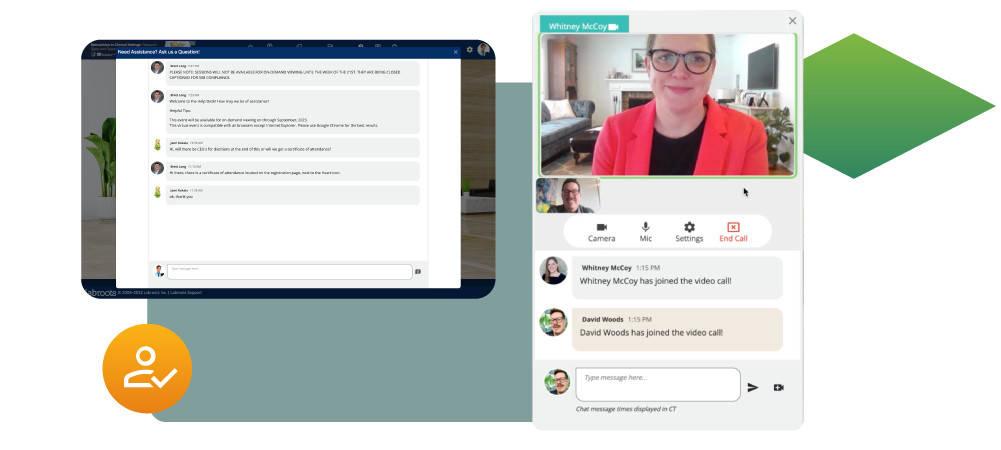
All successful virtual events need interactive engagement tools, and choosing a virtual event platform with these features will ensure a successful virtual event. One of these features is live chat and Q&A, which enable attendees to engage and interact with each other and guest speakers throughout the virtual event.
Another engagement tool you should look for in a virtual event platform is polls, surveys, and audience feedback mechanisms. These enable attendees to provide valuable feedback throughout the event, which organizers can use to make real-time improvements without needing to wait for future virtual events.
Finally, gamification elements have become an essential method to boost engagement for virtual events, and ensuring your virtual event platform has gamification features is strongly recommended. Gamification offers your attendees the opportunity to engage and interact in a fun and friendly environment where they can earn prizes and points for their work.
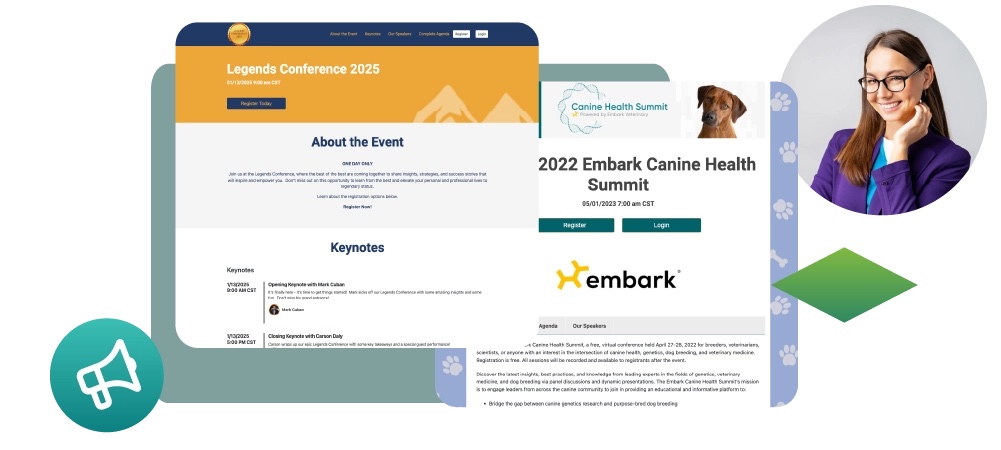
As a virtual event organizer, one of your goals should be customization, as you might find your goals and objectives for your virtual event differ from those of other organizers. Therefore, the ability to customize event pages and registration forms for your virtual event platform is highly recommended, as this will provide you with the freedom to create your virtual event according to your vision, goals, and objectives.
This also includes branding opportunities throughout the platform. You want a virtual event platform that will enable you to seamlessly showcase your brand throughout the virtual event, which your attendees will remember for future events.
Finally, personalization features for tailored attendee experiences are even more critical than customization features for organizers, as virtual events are designed to maximize the experience for attendees worldwide. Therefore, choosing the right virtual event platform that enables personalization for attendees is highly recommended for a successful virtual event.
Other interactive features you should consider in a virtual event platform include support for live streaming and on-demand content. These features will enable your attendees to participate in real-time with guest speakers while having access to their talks later in case they need to refresh on the topic or miss it entirely.
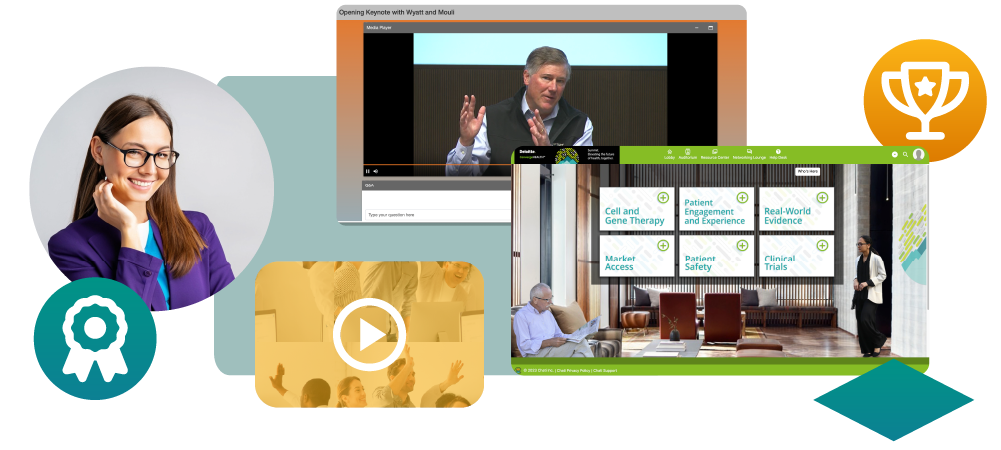
To ensure seamless live streaming and on-demand content, the importance of high-quality video and audio playback for the virtual event platform that you choose cannot be understated. This will ensure your attendees have a seamless visual and audio experience throughout and after the virtual event.
Finally, compatibility with various content formats, including presentations, videos, documents, and much more, is essential for a successful virtual event and is highly recommended to search for when finding your virtual event platform for your event. Through this, your attendees will be able to seamlessly access all content without the need for outside assistance or experiencing glitches.
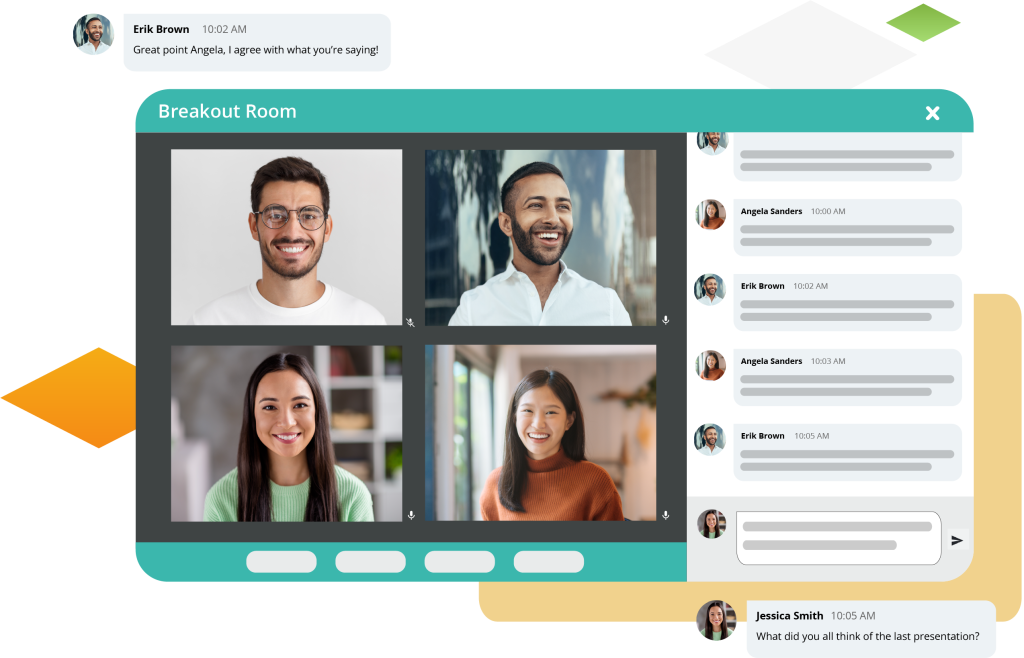
All successful virtual events strive to maximize their engagement features, which is accomplished through virtual networking lounges and breakout rooms, enabling your attendees to interact in a one-on-one setting. Therefore, finding a virtual event platform with these features will ensure your attendees have the most engaging experience possible.
Another interaction feature you should pursue in a virtual event platform is AI-powered matchmaking for relevant connections, as this will enable you to connect the right attendees or even the right attendees with the right speaker. You significantly increase diversity, inclusivity, and connectivity for everyone through this.
Finally, social media integration for seamless sharing and engagement is an essential feature of whatever virtual event platform you choose. This enables you to use social media to promote the event and even post live updates for your attendees and speakers.
A perk of virtual events is the ability to collect expansive attendee data. Something in-person events may struggle with. Seamless analytics and reporting ensures the success of your next event. Real-time data insights during events are essential when choosing your virtual event platform. They let you monitor engagement metrics and interaction between attendees and guests in real time to see where your attendees are congregating, what people enjoy, and spaces they may avoid. Through this, you can take the necessary steps to provide real-time improvements, ensuring your attendees have the most engaging experience possible.
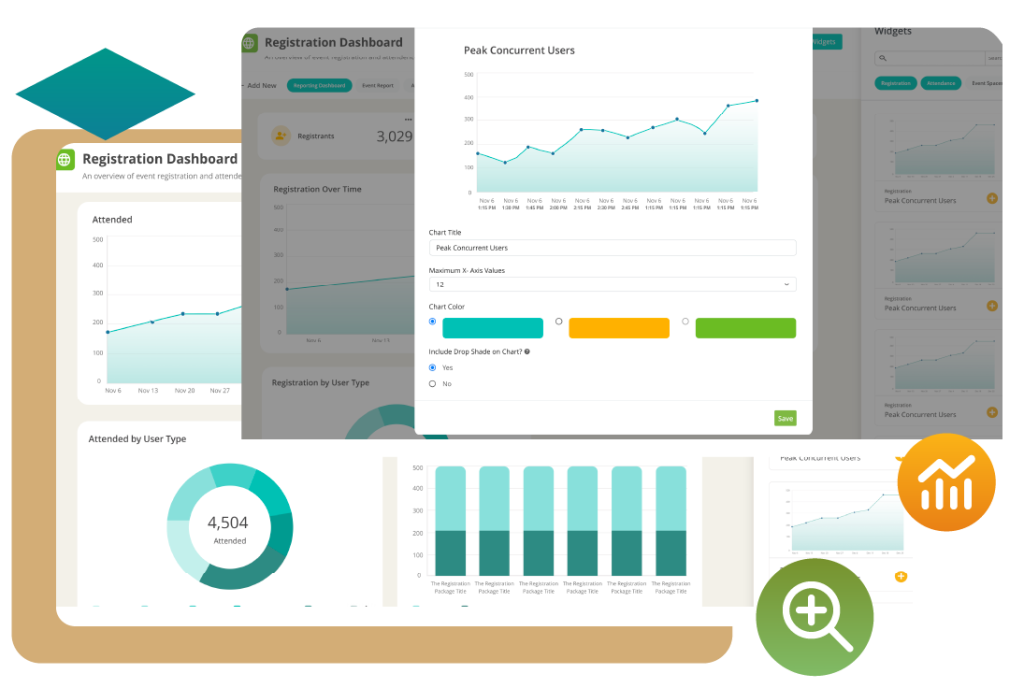
Additionally, post-event analytics for performance evaluation is another feature you should pursue in a virtual event platform, as this ensures you will gain the necessary knowledge and feedback for improving future virtual events.
This all ties into tracking attendee behavior and engagement metrics, which your virtual event platform should provide to enable you to provide your attendees with the most engaging experience possible.
Security and privacy are essential for all online endeavors, and ensuring your virtual event platform is safe and secure is critical to a successful virtual event. This includes end-to-end data security encryption, ensuring your virtual event is safe and secure from start to finish and that hackers won’t be able to sabotage it at any time.

Another virtual event platform feature you should pursue is secure access controls and authentication methods, as this enables you to easily control your security features throughout the event, ensuring a safer and more secure virtual environment for everyone.
Finally, compliance with the General Data Protection Regulation (GDRP) and other data protection regulations are essential features to look for when searching for a virtual event platform. This ensures the platform is following all security protocols for protecting your event, which brings you peace of mind when hosting your event and future ones.
Along with ensuring key features, the virtual event platform you choose should also be able to handle large attendee numbers in case your virtual event is anticipated to be larger than expected. This will ensure seamless features and engagement without overloading your platform with too much data at once.
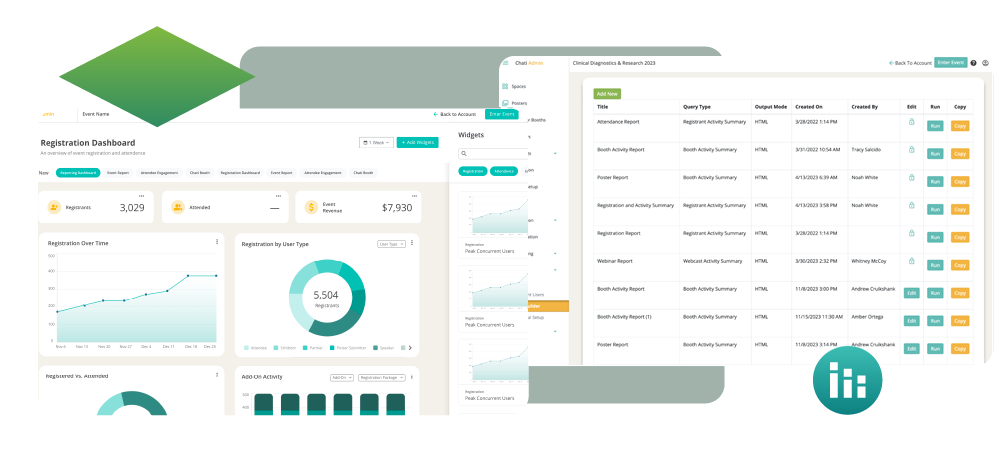
Additionally, your virtual event platform should possess reliable infrastructure for seamless performance. This ensures your virtual event will operate at full capacity without the need to fix glitches and bugs throughout the event, enabling your attendees to have the most seamless experience possible.
Finally, your virtual event platform should provide scalable solutions to accommodate growing event needs since a successful virtual event will mean more significant virtual events in the future. Therefore, a platform that can meet the growing event needs is essential for maintaining successful virtual events for years to come.
The virtual event platform you choose should provide excellent customer service for both you and your attendees. This includes responsive customer support channels that can be accessed in real-time and interact with real people.
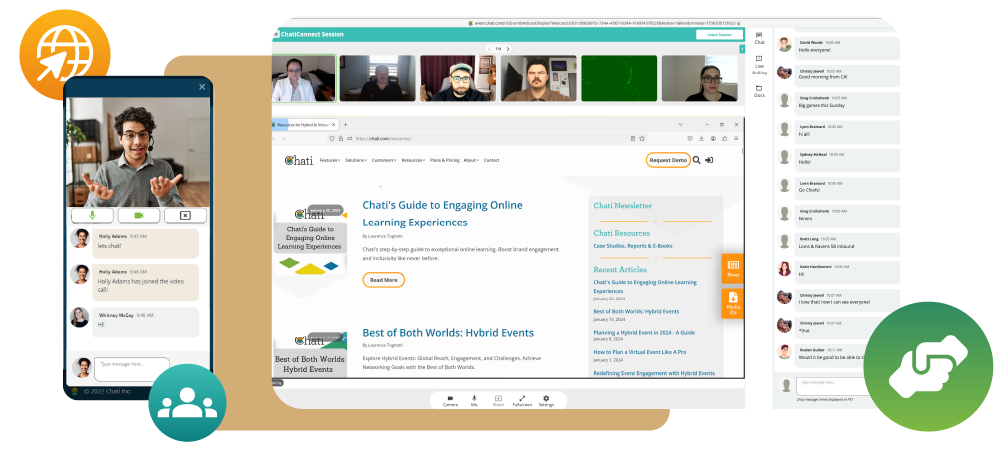
Additionally, onboarding assistance and training resources are essential support tools you should pursue when looking for an appropriate virtual event platform. This ensures both you and your attendees have a seamless experience when familiarizing yourselves with your virtual event and future virtual events.
Finally, proactive technical assistance from your virtual event platform during events is essential to ensure smooth operations throughout the event for both you and your attendees. Through this, you ensure seamless, real-time help for any technical and logistical glitches that someone might encounter without pausing the entire virtual event.
As noted above, integration is essential for choosing your virtual event platform. Seamless integration with customer relationship management (CRM), marketing, and payment systems is also essential for your attendees to have the most seamless experience possible, specifically when it comes to paying for the virtual event or other items related to the virtual event.
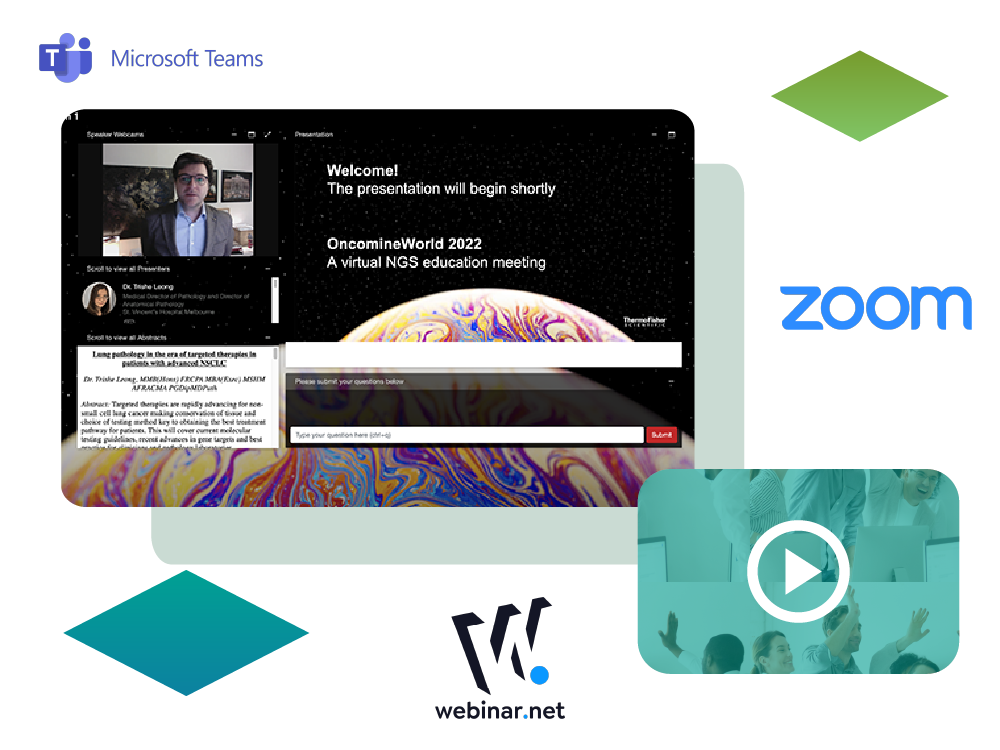
Additionally, compatibility with third-party apps and software is an essential tool that you should pursue for your virtual event platform. This enables you to seamlessly integrate outside tools and software into your virtual event, ensuring your attendees have a more enjoyable and engaging experience.
Finally, the virtual event platform you pursue should possess an application programming interface) API access for custom integrations and development will enable you to provide seamless communication and connectivity between multiple systems, both inside and outside your virtual event. Through this, you provide your attendees with seamless engagement and interactivity with each other, guests, and support personnel.
Here, we introduced several virtual event platform features crucial to event success, including user experience, engagement tools, customization, content delivery, interaction features, and much more. It's important to keep these features in mind when determining the right virtual event platform for you, as they will ensure seamless engagement experiences for your attendees and provide real-time feedback and support. With the right virtual event platform, you can provide successful and impactful virtual events for years to come while increasing diversity, inclusivity, and connectivity for individuals worldwide.
Thought leaders are sought after due to their subject matter expertise. With online events having become the mainstream method of engaging and connecting with individuals from all over the world, the role of thought leadership in today's digital landscape cannot be understated. This allows companies to build firm reputations with clients and other business leaders while maintaining long-term relationships.
One way to grow as a thought leader is to unveil the connection between webinars and establishing influence. Webinars are an excellent opportunity for companies to build their brand while fostering lasting connections with individuals from all personal and professional backgrounds. Additionally, webinars provide thought leaders an excellent opportunity to hone their communication skills by sharing knowledge in their respective fields.
As noted, thought leaders are sought after for their expertise, and understanding the essence of thought leadership will help you share your knowledge with the masses while improving your communication skills. This process takes time, investment, practice, and hard work, but constant growth is critical to becoming an influential thought leader.
Recognizing the benefits of becoming a thought leader is the first step in your journey, as having a solid foundation of goals and objectives will allow you to take the necessary steps in learning your craft and honing your skills as a thought leader.
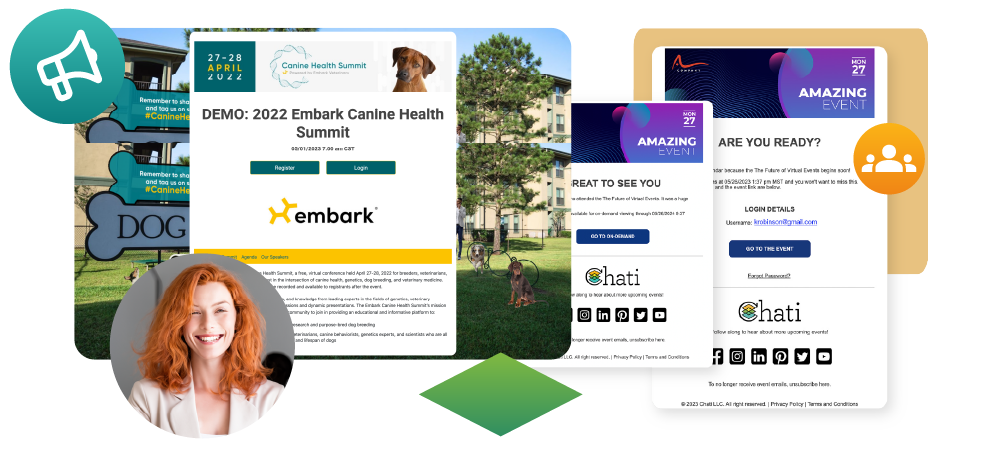
Webinars serve as a platform for expertise sharing due to their focused approach to presenting discussion topics. This provides an ample opportunity for thought leaders to share their knowledge and expertise with an audience who wishes to learn from leaders in their field.
Thought leaders use webinars' unique power to build authority by sharing knowledge and expertise in a focused field that the audience can relate to and grow from, in the short and long term. This allows webinars to maintain their standing as a mainstream method of building connections and fostering relationships with individuals worldwide.
An essential step in becoming an influential thought leader is identifying your unique area of expertise, enabling you to focus your efforts on a singular topic and communicate it effectively. Through this, you effectively apply your energy and time toward the appropriate resources to help you grow your expertise.
Designing webinars that showcase your knowledge is essential for growing as a thought leader. This provides you with the appropriate environment and audience for sharing your knowledge, experience, and expertise. Additionally, it enables webinars to continue their longstanding theme of showcasing focused topics and subjects for individuals worldwide.
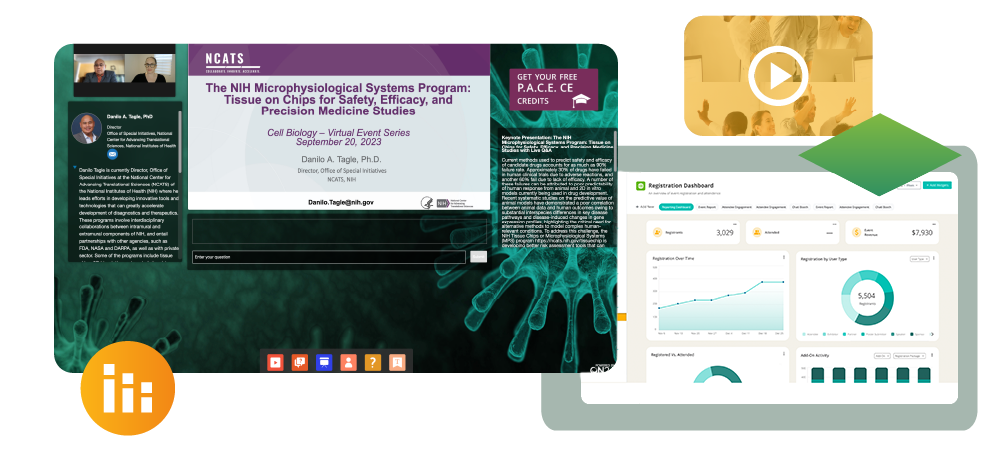
For thought leaders and webinars to be effective, developing valuable content that resonates with audiences is vital. This enables them to apply this newfound knowledge for personal and professional growth and achieve their short- and long-term goals. This is accomplished through developing strategies for delivering insights while examining case studies and webinar trends so you can prepare and execute the most impactful webinar for your audience.
Webinars are designed to encourage engagement and build lasting relationships. This is accomplished by developing techniques for encouraging real-time Q&A and discussion, achieved through proper preparation and execution by the hosting webinar. This includes email reminders to audience members before the webinar and periodic reminders throughout the webinar.
Additionally, establishing a sense of community around your webinars enables your audience to foster connections and build relationships in a comfortable and welcoming environment, resulting in increased diversity, inclusivity, and connectivity for individuals worldwide.
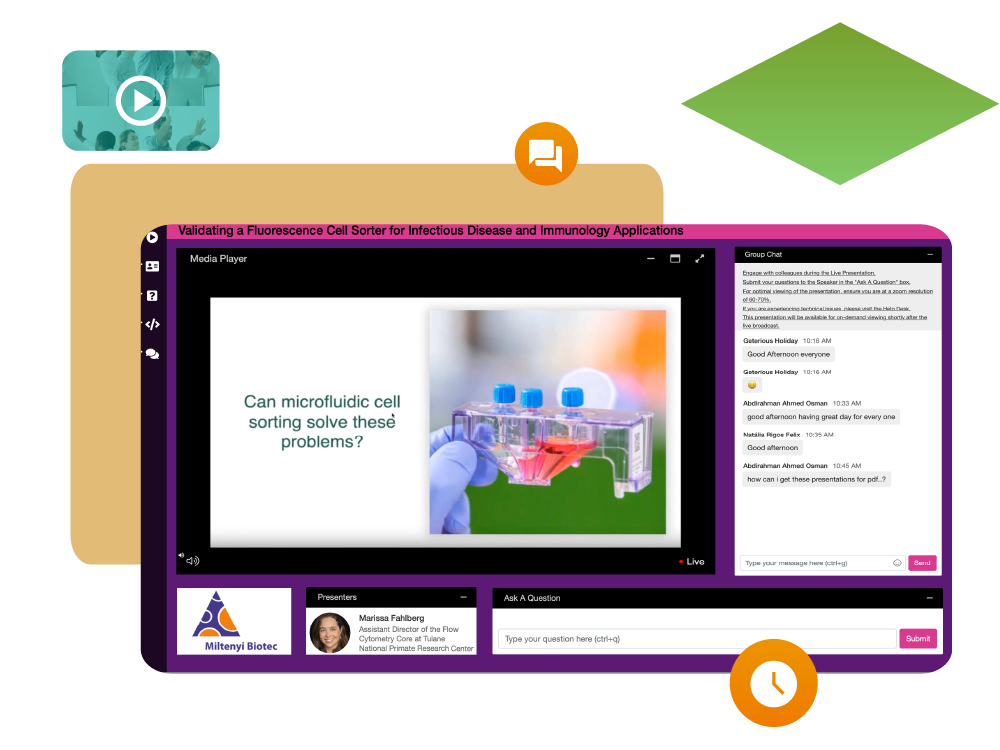
Webinars can be practical tools for thought leaders to share their knowledge and experience, but leveraging webinars to strengthen your personal brand is another goal. Through this, you can get your name out in the open, enabling audiences to want to learn from you far beyond your appearance at one webinar.
This is how thought leadership translates into brand authority, as your expertise and experience can expand your personal and professional brand for individuals from all over the world, leading to increased diversity, inclusivity, and connectivity for everyone.
With webinars, utilizing social media, email, and networks for promotion has become the most effective method of sharing information about both your webinar and the thought leaders who will be presenting there. This can be accomplished through creating custom social media accounts designed for promoting the webinar and personalized emails.
Additionally, crafting compelling webinar invitations to attract attendees is another method of promoting your webinar, as these can also be personalized to achieve maximum impact. This enables you to provide a professional look for your webinar, which will also increase your chances of more attendees participating.
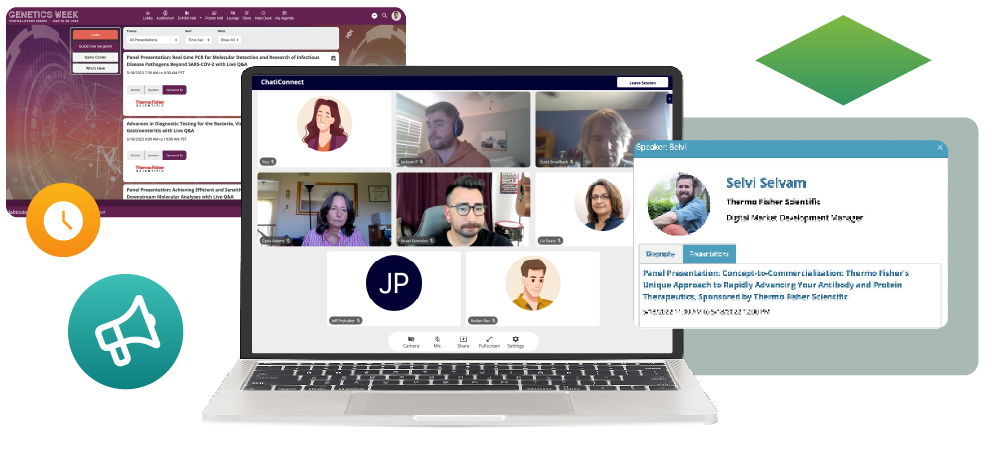
Regarding webinar presentations, confidently navigating the virtual stage will enable you to send your message more concisely and whose impact will be far more significant with your target audience. Through this, you can build your brand while enabling your audience members to use your knowledge and experience to achieve their personal and professional goals.
Enhancing presentation skills for maximum influence is vital for your growth as a thought leader and presenter in webinars and life. Through this, you send your message to the right target audience while building your brand and helping others achieve your goals.
For all endeavors, tracking engagement metrics, participation rates, and feedback is vital for measuring the webinar's impact and your thought leadership skills. This can be accomplished with artificial intelligence monitoring, support personnel, and post-webinar surveys that you can use for improvement and growth.
This allows you to analyze the reach and influence generated by your webinars, which increases diversity, inclusivity, and connectivity for individuals from all personal and professional backgrounds worldwide.
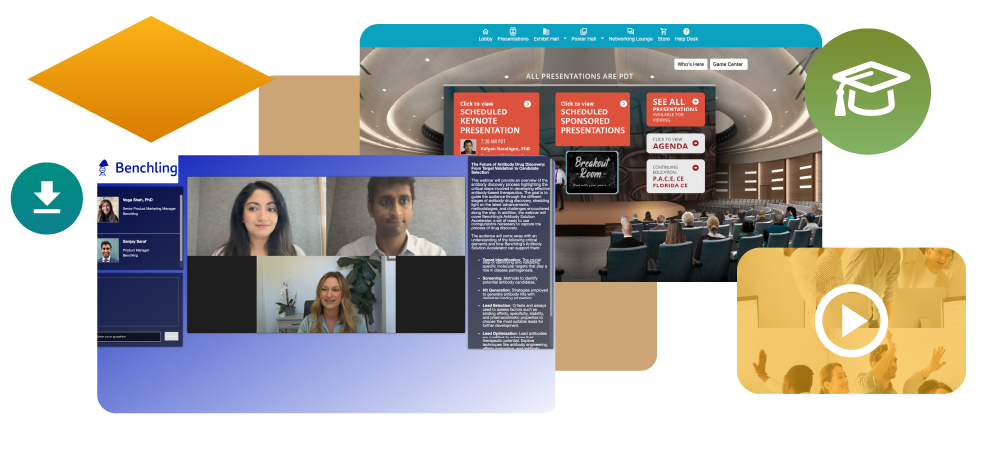
Real-life examples of individuals who became influential include Carl Sagan, who was one of the most pioneering astronomers and scientists of the 20th century. He cultivated a vast and diverse community of astronomy lovers while advancing the discussion regarding the search for life beyond Earth.
Understanding Carl Sagan's story enables us to gain insights from his journey to thought leadership. He was one of the first scientists to spearhead science communication and share the wonders of astronomy with the public.
Predicting trends and innovations in webinar practices is vital for achieving long-term growth and improvement in webinars and thought leader skills. This will allow you to properly prepare for future webinars and achieve maximum impact with your presentation while enabling your audience to achieve their own personal and professional goals.
This allows for embracing the evolution of influence in the digital age, which is constantly changing and evolving to meet the needs of audiences worldwide while increasing diversity, inclusivity, and connectivity for everyone.
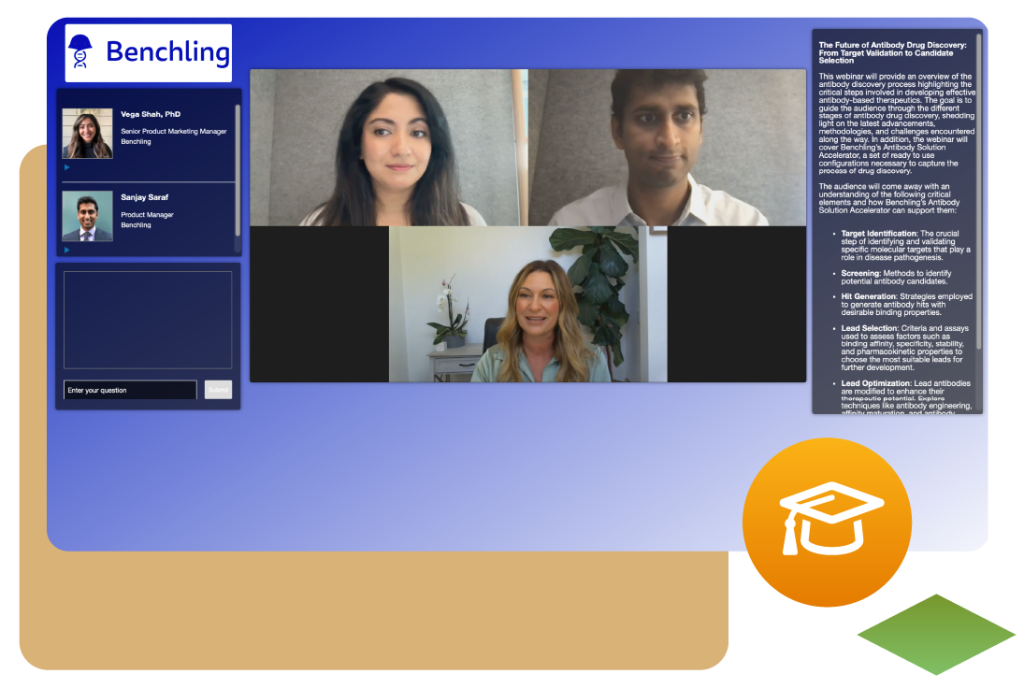
With the power of webinars, you can elevate your expertise to influence while making lasting impacts on individuals from all over the world who can use your knowledge and experience to grow and improve their own careers and livelihoods. Establishing thought leadership through engaging and impactful webinars will not only build your brand but also build a better and more connected future for everyone.
The last few years have seen the rise of virtual events that have come to the forefront of networking and connecting with individuals worldwide, primarily due to the COVID-19 pandemic. This has allowed researchers, academics, students, and industry professionals to break down geographic barriers to share knowledge and ideas on scales never seen before by enabling them to engage and connect almost seamlessly while decreasing carbon footprints from the reduced travel.
This is why the importance of hosting impactful virtual events cannot be understated. Virtual events provide many tools and resources for event organizers to develop immersive and lasting experiences for their attendees, regardless of their personal or professional goals in attending the event.
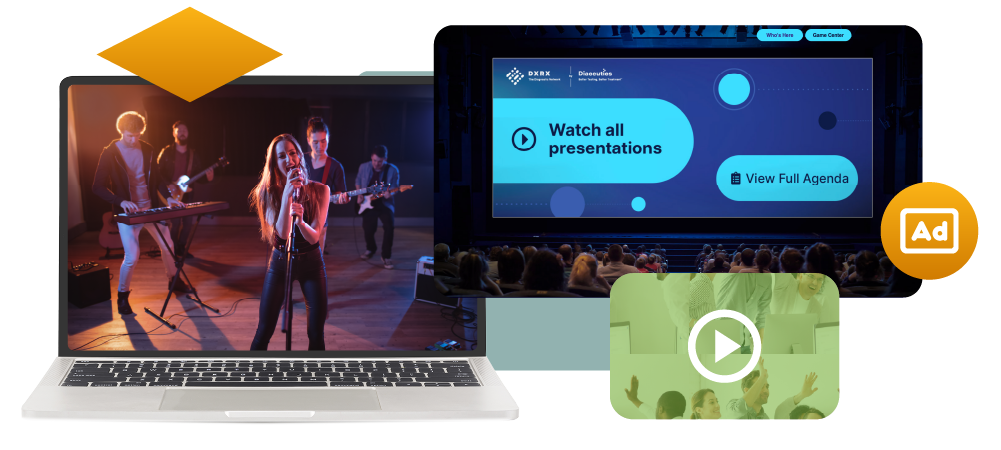
Virtual events substitute for a myriad of in-person events, including conferences, trade shows, expos, concerts, career/job fairs, company onboarding, university fairs, malls, benefits fairs, and so much more. This allows individuals from all over the world to seamlessly participate and build their networking portfolio, which results in increased diversity, inclusivity, and connectivity for everyone.
Virtual events have many benefits for businesses and participants, including breaking down geographic barriers and enabling individuals from all over the world to engage like never before. This means growing their brand while improving recruiting and company morale for businesses. For participants, this means expanding their networking portfolio while gaining the necessary knowledge to achieve their personal and professional goals.
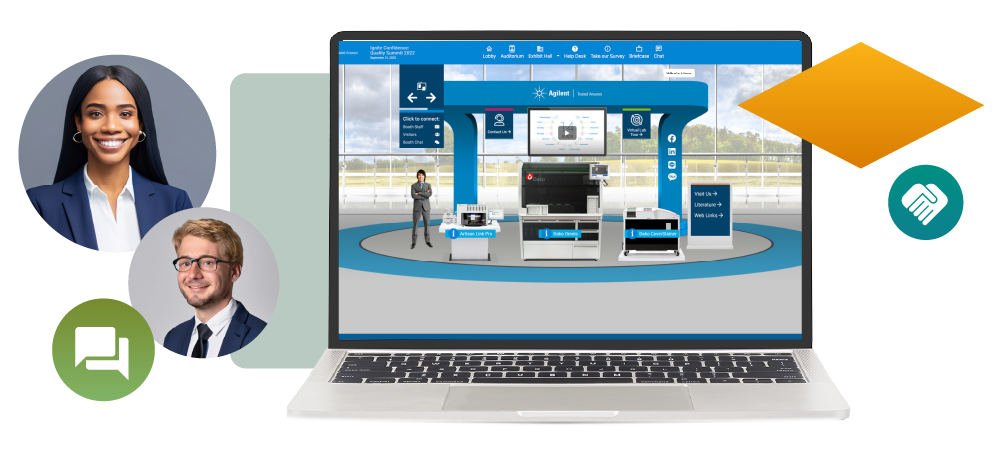
Prior to the event, it’s paramount for both organizers and attendees to set clear objectives for the virtual event. For organizers, are you just trying to build your brand, recruit new employees, or simply wish to share knowledge? For attendees, are you trying to build your networking portfolio, find a career path, or simply attend to gain knowledge? These are important questions to ask before attending a virtual event, and having clear objectives beforehand will make your virtual event experience much more successful.
For event organizers, identifying your target audience and their needs is vital to hosting a successful event virtual event. Are you catering to prospective students/employees? Current students/employees? Attendees outside your field of expertise? Understanding your target audience will allow you to deliver the necessary tools and resources for a successful virtual event.
Choosing the proper virtual event format is also vital for a successful experience for both event organizers and attendees. Examples of different virtual event formats include the aforementioned trade shows and conferences, but can also include award ceremonies, happy hours, holiday parties, town halls, and product launches. Determining your virtual event format beforehand will allow you to develop the necessary elements for increasing everyone's engagement and connectivity.
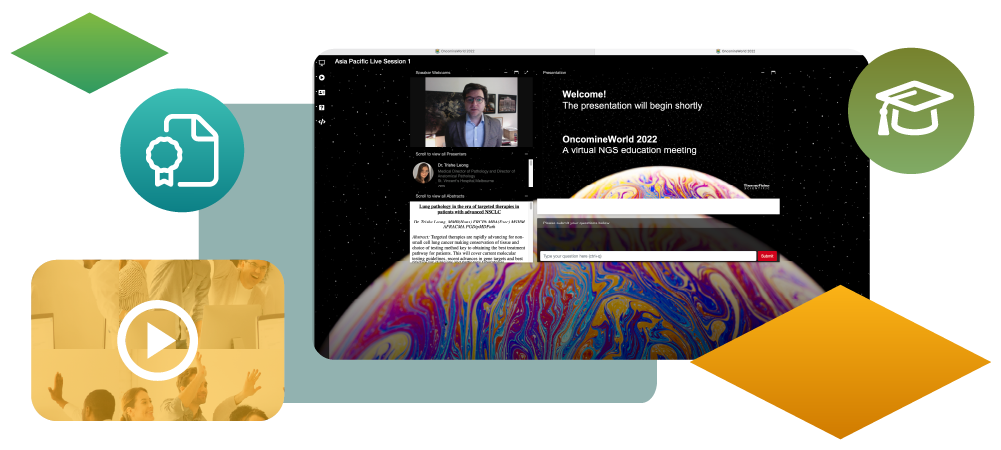
When designing your virtual event, crafting compelling content for virtual audiences will enhance the immersive experience for your attendees and have them come back for more. Examples include inviting expert speakers to discuss the latest research and news in the field while providing educational insights. The more compelling the content, the more engaged and immersed your attendees will be in your virtual event.
Utilizing interactive tools to enhance engagement is vital for hosting a successful virtual event, which includes features like gamification, chat networking, exhibit halls, templates & 3D spaces, and much more. The more interactive your virtual event, the more engaged your attendees will be with each other and your event monitors, which only results in increased diversity, inclusivity, and connectivity for individuals worldwide.
Other ways to improve virtual event content are to incorporate live Q&A sessions and polls, which add another level of engagement and immersion for your attendees. These allow your attendees to engage with expert speakers after their talk while gaining knowledge on a particular topic. With polls, you can enhance attendee engagement while collecting real-time data, enabling you to improve your virtual event in real-time or for a future event.
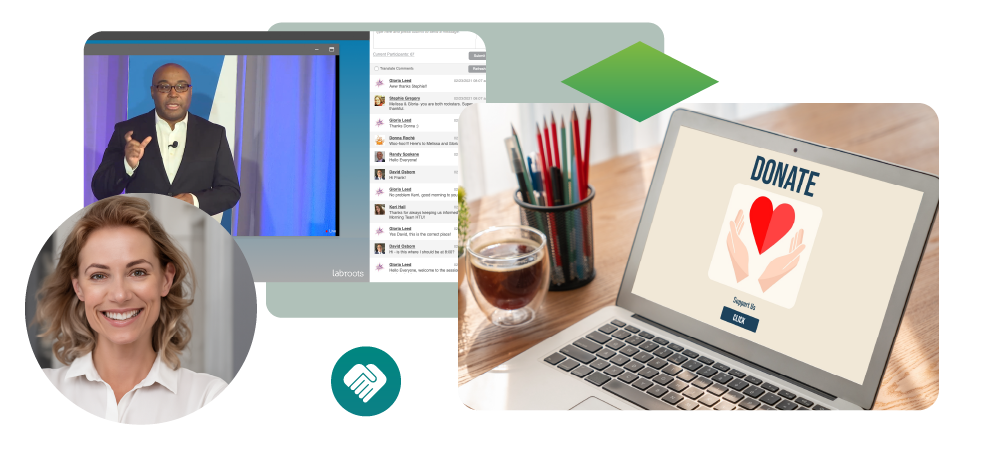
Selecting the right virtual event platform takes time and research, and finding the right one will ensure your virtual event's success. Specifically, this means finding a platform that meets the event’s objectives for your brand and attendees. Every platform offers unique tools and resources designed to enhance the attendees’ experience, which results in increased diversity, inclusivity, and connectivity for everyone.
Integrating multimedia and visual elements into your virtual event will enable extra engagement and immersion for your attendees. These include interactive videos, breakout rooms, and live chats, allowing your attendees to engage and interact in a nonformal environment.
Through these steps, you are ensuring a seamless user experience and accessibility for individuals from all over the world and all personal and professional backgrounds and disciplines, which only increases diversity, inclusivity, and connectivity for everyone.
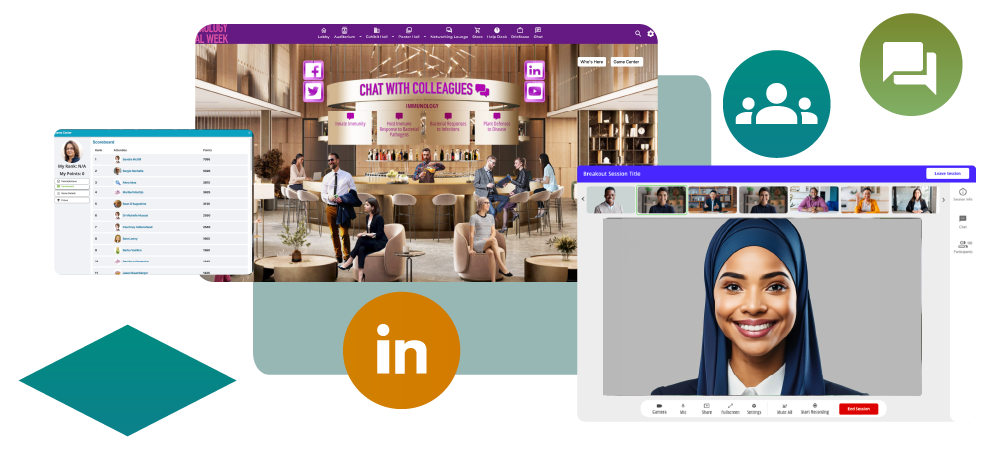
All successful virtual events have a solid marketing strategy, and creating a comprehensive promotional strategy is essential for not only your current virtual event but also future events. This strategy involves timeliness, as you don’t want to promote your event too soon or too close to the event. Additionally, it involves the right amount of promotion, as you don’t want to turn away potential attendees through too much promotion.
Social media has become entrenched in our everyday lives, and harnessing social media and email marketing will enable a global reach and effective promotion of your virtual event for individuals from all over the world. One option is to create a customized email address for your virtual event, along with similar customized social media accounts, as well.
Virtual events foster innovation and connectivity, and collaborating with influencers and partners provides an excellent opportunity to promote your virtual event as they can share details of the event with their colleagues, business partners, and friends.

Preparing speakers and presenters is essential to success when executing your virtual event, as your attendees will undoubtedly be prepared for all scheduled talks on the agenda. Speaker and presenter preparation includes ensuring their internet connection is solid and receiving notes about their talk ahead of time that you can share with your attendees beforehand.
Since virtual events are online, managing technical aspects and support is vital for event success. Faulty internet connections will result in an unsuccessful event. This entails ensuring seamless connections on your end while having redundancies in place in case connections shut down during the event.
Your event's goal is to facilitate networking opportunities for individuals from all over the world and from all personal and professional backgrounds and disciplines. With solid promotion and execution, you can ensure your attendees’ networking opportunities are met head-on.
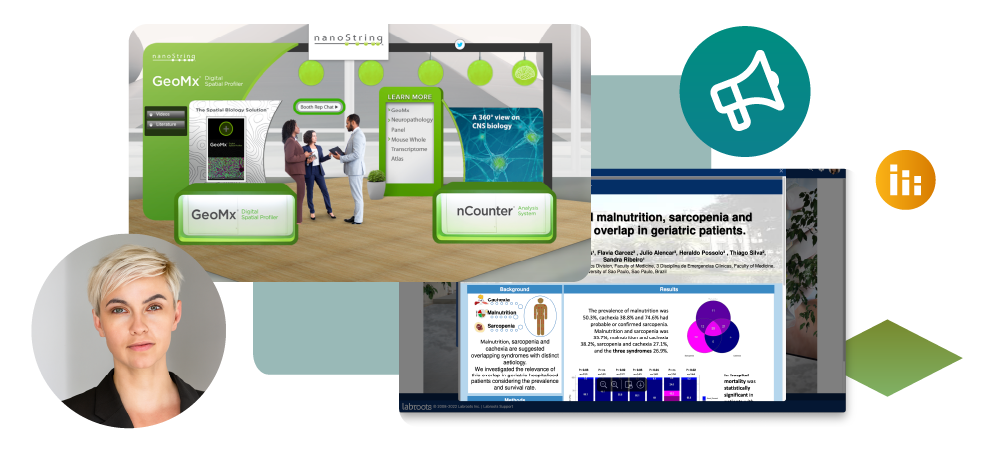
Like all events, virtual events are only successful through constant improvement, accomplished through sending post-event surveys and feedback to your attendees. This can be achieved both immediately after the event and anywhere from a few weeks to a few months after the event, enabling your attendees to provide valuable feedback on improvements that can be made for future events.
Another method to ensure future events' success is by evaluating key performance metrics, specifically attendee engagement, which is the cornerstone of all virtual events. Through this, you can ensure your attendees are satisfying their own networking goals while engaging with individuals worldwide.
The success of virtual events hinges on constant improvement. Through these methods, you leverage insights for future virtual events, which will only lead to increased diversity, inclusivity, and connectivity for event organizers and attendees.
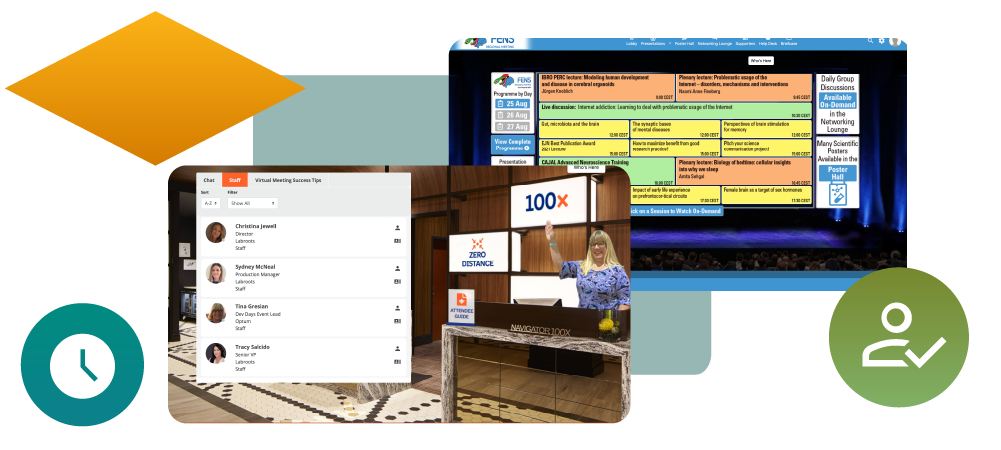
There are a myriad of companies from all over the world that have hosted successful virtual events, including Google, AWS, Salesforce, Adobe, SBC, NBA, and Dreamforce, just to name a few. These companies are successful in hosting virtual events through constant growth and improvement while understanding that it takes time to build their brand for a global audience.

Embracing the future of virtual events will ensure a brighter future for everyone, as virtual events enable individuals from all over the world to engage and contribute to the sharing of knowledge and ideas. This is accomplished through careful and timely promotion, along with successful execution for all facets of your event, leading to increased engagement and connectivity for event organizers and attendees.
Your path to hosting impactful virtual events begins with the right objectives while constantly improving and growing. This will help you help your attendees achieve their personal and professional goals while increasing diversity, inclusivity, and connectivity for individuals from across the globe.
We've previously covered the rise of virtual events over the past few years due to the COVID-19 pandemic, which forced people to stay home and away from attending in-person conferences and events. This shift in how people attend events has made virtual events more mainstream, allowing individuals worldwide to engage and connect without the cumbersome logistical headaches of travel and cost.
How people attend events has changed, requiring a similar shift in how they network within this newer event format, which is more complex than it seems.
Virtual events enable new levels of virtual networking and can increase accessibility, diversity, inclusivity, and connectivity for individuals from all personal and professional backgrounds. Here, we will discuss tips for successful virtual event networking, which will help companies and attendees expand their networking reach while embracing virtual events as the mainstream method of building connections and fostering lasting relationships.
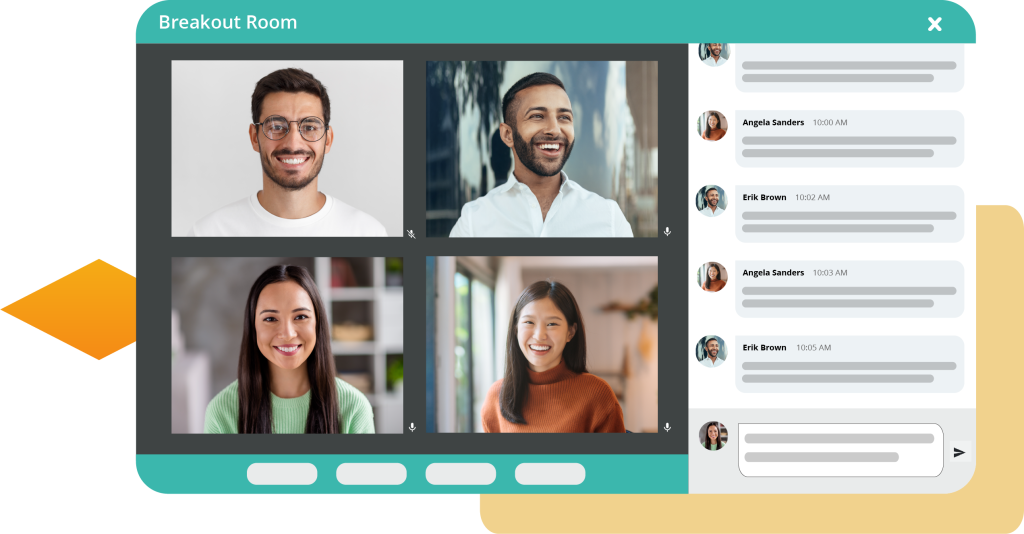
Virtual events are online events that allow individuals worldwide to engage, connect, and network in an online environment to achieve personal or professional goals. Examples of virtual events include conferences, trade shows, educational showcases, and so much more.
Some advantages of virtual events over in-person gatherings include drastically reducing the cost of travel, lodging, and food expenses, resulting in environmental savings due to the reduced carbon footprint. The cost-savings aspect also impacts event planners since they can use the additional funds to invite expert speakers and panelists and improve the entertainment aspect of the virtual event. Additionally, virtual events offer increased accessibility, time flexibility, and interactivity that in-person events might not be able to provide for everyone.
While virtual events offer many advantages, some challenges include time zones, poor internet connections, security lapses, and inadequate attendee engagement. Like all endeavors, virtual events are constantly evolving to meet the needs of both event planners and attendees, so feedback is essential for improving the quality of virtual events for everyone.
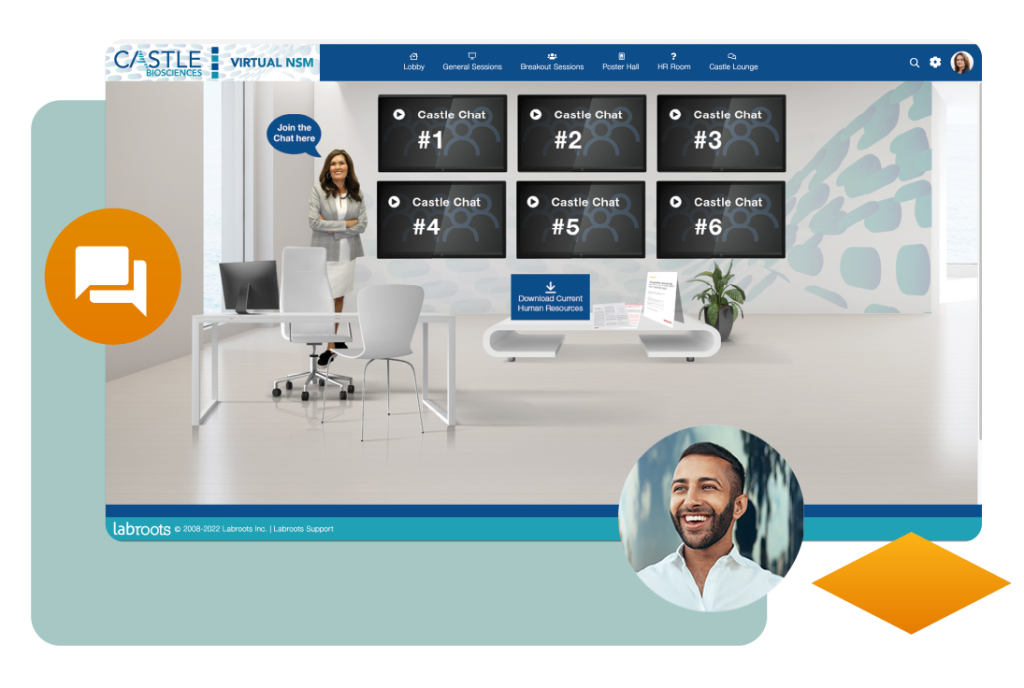
Virtual events have become essential for achieving networking goals, so online engagement in virtual events cannot be understated. With virtual events, individuals worldwide can engage and connect by breaking down geographic barriers, resulting in increased diversity, inclusivity, and connectivity for everyone.
Utilizing digital platforms for networking helps enhance virtual event experiences, which can be accomplished via email, social media, and virtual event apps. Additionally, companies continue improving and enhancing their virtual event platforms by providing interactive features, including gamification, Q&A sessions, breakout rooms, and much more.
This will allow event planners and attendees to continue building meaningful connections in a virtual environment through enhanced engagement tools and resources. Providing necessary feedback will also continue to improve virtual events for everyone.
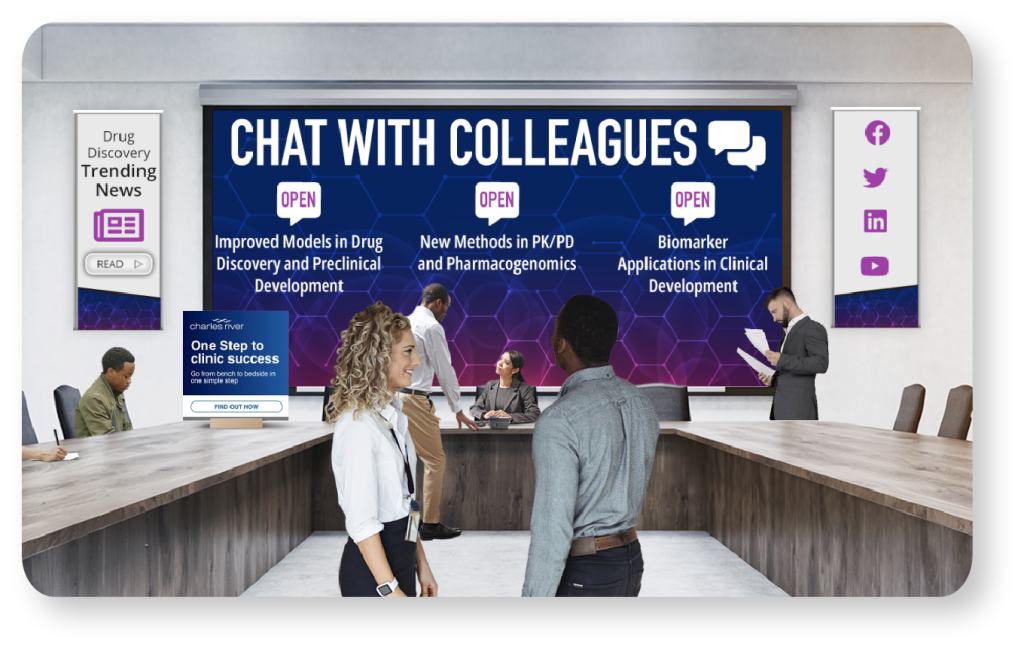
Attending virtual events requires sufficient planning and preparation, beginning with setting objectives and goals for networking. Are your networking goals personal or professional? Short-term or long-term? Do you want to engage with attendees or speakers, as well? Understanding your objectives beforehand will enable you to attend virtual events with a focused mindset and avoid distractions when they occur.
Researching attendees and speakers will allow you to come prepared with necessary questions and goals as part of your preparation. Are the attendees from your professional background? What could their goals and objectives be? Are the speakers familiar with your background? What do you hope to acquire through their talks?
A final preparatory step includes optimizing your online presence and ensuring your social media accounts contain updated information. Most notably, LinkedIn has become one of the most popular virtual networking tools for building connections and achieving networking goals.
Participating actively in sessions and discussions is the most important aspect of attending virtual events, as this allows people to get to know you personally and professionally. However, it's also essential to strike a balance between active and passive engagement, as you want to allow other attendees to engage, as well. Sharing the virtual floor with other attendees will demonstrate humility and selflessness that will likely help you more than being constantly active.
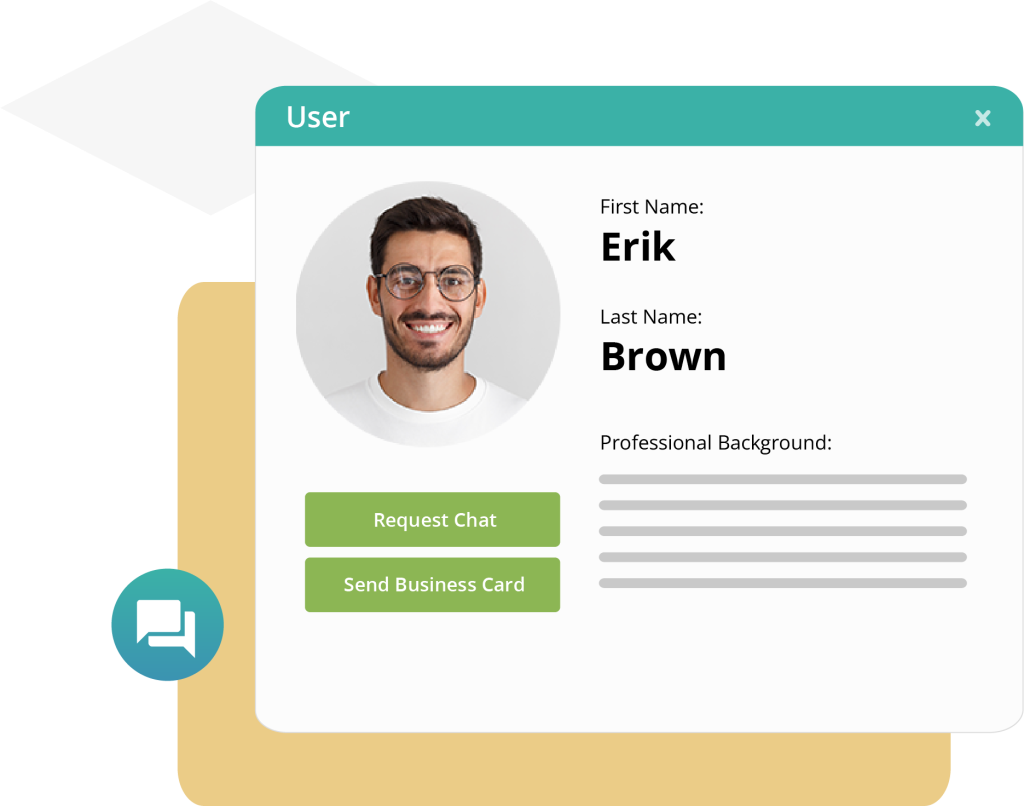
During your virtual event, utilizing chat features and virtual breakout rooms will allow you to engage with attendees, speakers, and event organizers one-on-one and ask questions that you might have come up with during the event. The virtual breakout rooms are specifically designed for this, and they will allow you to improve your engagement skills while gaining and sharing knowledge with individuals from all over the world.
To go with active participation, initiating conversations with fellow participants will help break the ice since nearly all attendees will be nervous upon first attending the event. Additionally, this will demonstrate your ability to take charge and seize the moment, which will get the attention of attendees, speakers, and event organizers.
While engaging during the event is vital for achieving your networking goals, following up with contacts made will enable you to foster those connections and relationships for the long term. Continuing social media and email engagement within a few days after the event will allow you to leverage connections for future opportunities.
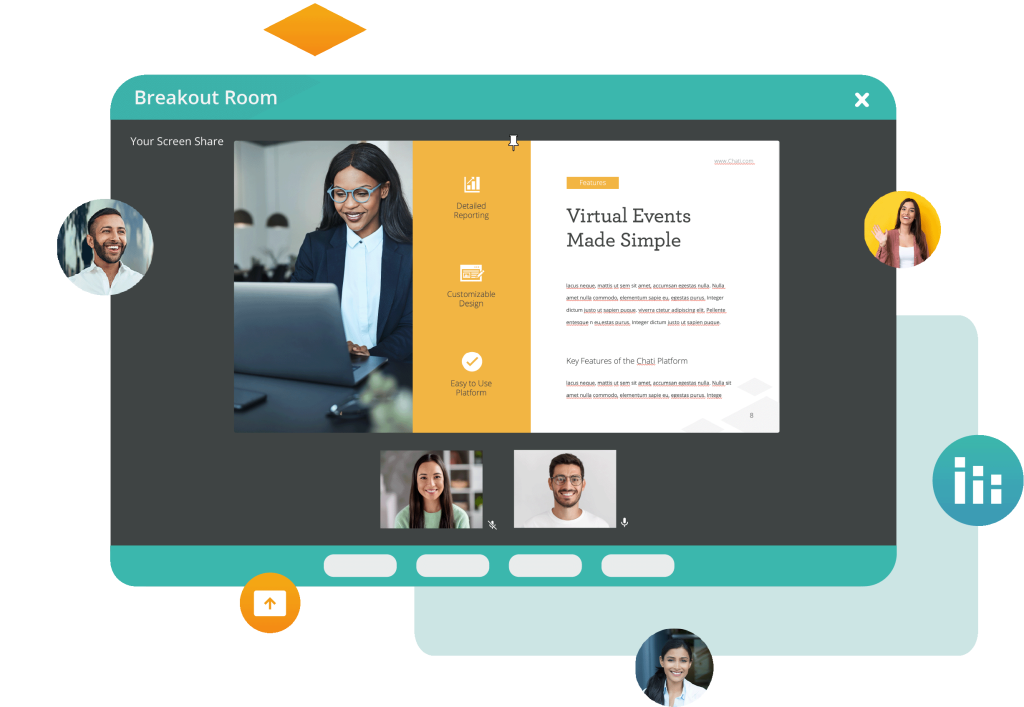
The most vital tip for successful online engagement is being authentic and approachable in virtual interactions, which will establish a solid first impression for other attendees, speakers, and event organizers.
Virtual events continue to evolve to enhance experiences for everyone, and utilizing multimedia content to enhance engagement is vital to achieving your networking goals. This includes the chat above features and breakout rooms but can also include Q&A sessions and gamification sessions.
Finally, staying proactive and consistent in networking efforts is vital to achieving long-term goals, whether personal or professional. If you make connections at a virtual event, stay with them as long as possible while also making strides in building more connections. Proactivity and consistency are keys to success in work and life, and virtual events can help you enhance these traits for both the short and long term.
Here, we discussed critical tips for virtual networking, which involve proper preparation, successfully optimizing your online presence, and actively participating in discussions with all parties throughout the virtual event. Also, following up with contacts made during the virtual event will help you achieve your networking goals and foster connections and relationships for the long term. Emphasizing the importance of adapting to virtual networking strategies is also vital for long-term networking success.
The importance of virtual events in today's business landscape, both in-person and digital, cannot be understated, including healthcare, education, technology, government, sports and entertainment, and nonprofit organizations, to name a few. Virtual events not only enable individuals from all backgrounds and disciplines to collaborate and engage, but they also provide cost-saving opportunities, as well. Here, we will discuss myriad ways that virtual events can benefit numerous industries across the globe while fostering diversity and inclusion and building lasting relationships.

Virtual events in healthcare offer enhanced accessibility, enabling medical professionals worldwide to participate in conferences and training sessions without geographical constraints. They provide continuous medical education opportunities, fostering knowledge exchange and collaboration among specialists. Virtual events reduce costs and optimize resources by eliminating the need for travel, ultimately improving patient care by disseminating cutting-edge medical practices globally. Notable benefits and virtual event applications in healthcare include:
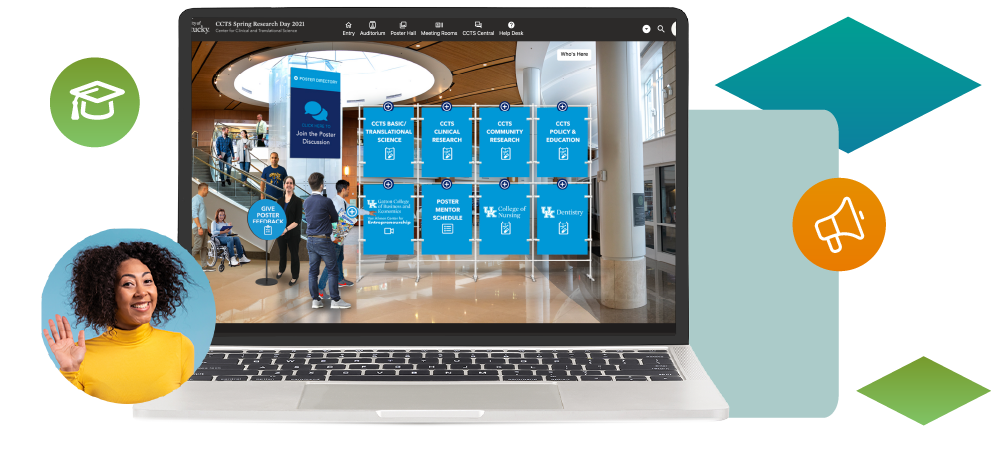
Virtual educational events provide increased opportunities for students, educators, and administrators worldwide to collaborate on new and exciting ideas while breaking down geographic barriers. Additionally, virtual events enable diversity and inclusion for individuals from all backgrounds by mitigating travel costs, including airfare and hotel accommodations. Notable advantages and virtual events applications in education include:

Virtual events for technology companies can bring together engineers, managers, administrators, and investors to collaborate on novel strategies regarding company cohesiveness while fostering diversity and inclusion for individuals worldwide. The cost-saving benefits from virtual events could also be used to bolster other aspects of the industry. Notable leverages and virtual events applications include:

Virtual events in corporate communications enable employees at all levels to share their thoughts, concerns, and ideas with managers and administrators, which fosters inclusivity and connectivity for individuals from across the globe. Additionally, virtual events allow investors to learn more about future products and services and make better-informed investment decisions. Notable benefits and virtual event applications in corporate communications include:

Virtual events for government outreach and engagement enable citizens and policymakers to engage and collaborate on new and exciting strategies for improving the quality of life, diversity, and inclusion of individuals from all personal and professional backgrounds. Virtual events put transparency at the forefront of policymaking while potentially using the cost savings from virtual events for the greater good. Notable advantages and virtual event applications in government outreach and engagement include:
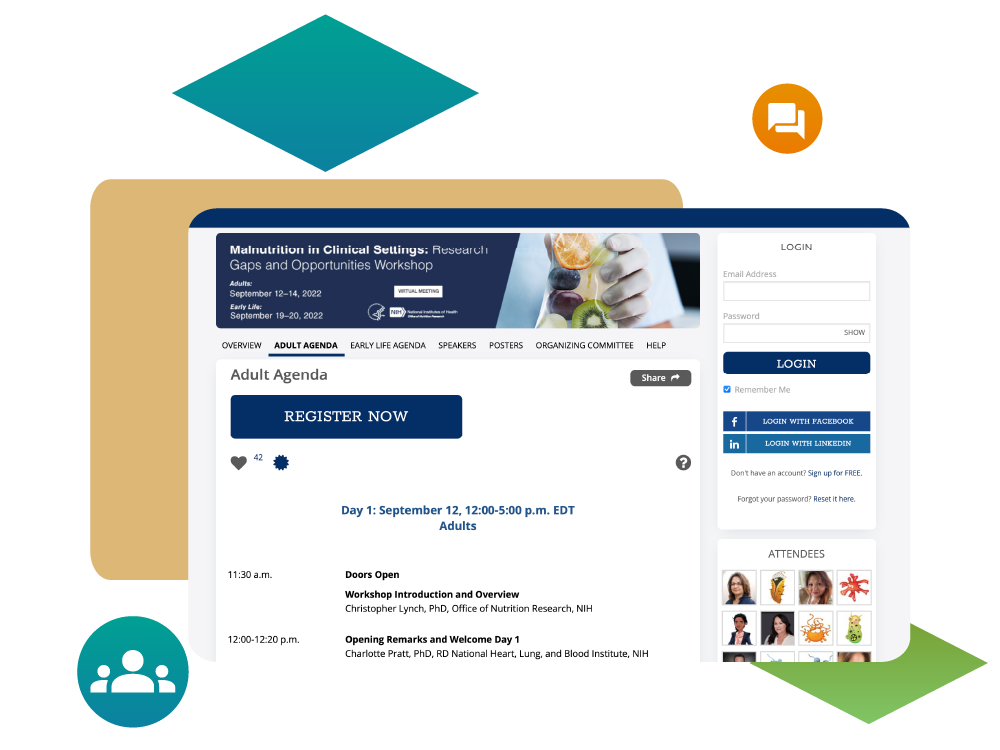
Virtual events strengthen event planning and virtual platforms by enabling event organizers and attendees to have myriad options for bringing together individuals from all backgrounds and all over the world, fostering diversity and inclusion to new heights. Virtual events provide cost-saving opportunities for all parties, which could be used to improve virtual platforms, benefitting everyone. Notable transformative benefits and virtual event applications include:
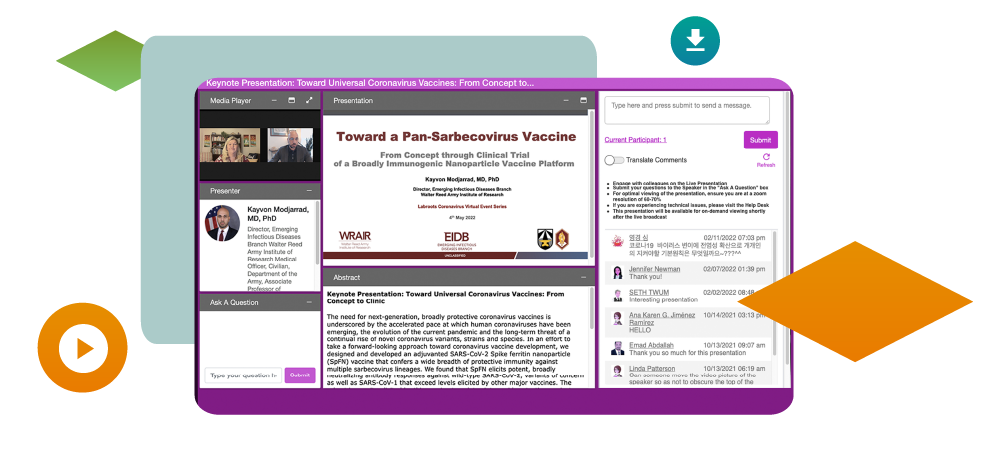
Virtual events in professional societies furnish connectivity and inclusion across many industries and workplaces, including training, networking, and panels for individuals worldwide. Additionally, virtual events provide cost-saving benefits that could be used for membership fees while building lasting relationships for all parties. Notable benefits and virtual event applications for associations and professional societies include:

Virtual events in retail and marketing provide opportunities for employees, managers, administrators, and stakeholders to collaborate and innovate on novel strategies for improving employee well-being and customer relationships. Virtual events offer cost savings that could be used for employee bonuses or mental health programs. Notable benefits and virtual event applications for retail and marketing include:

Virtual events in finance give employees, specialists, managers, administrators, and investors the necessary tools and resources to increase profit margins while improving diversity and inclusion for individuals worldwide. The cost-saving benefits from virtual events could be used for improved employee relations and additional investment opportunities. Notable benefits and virtual event applications for the financial industry include:
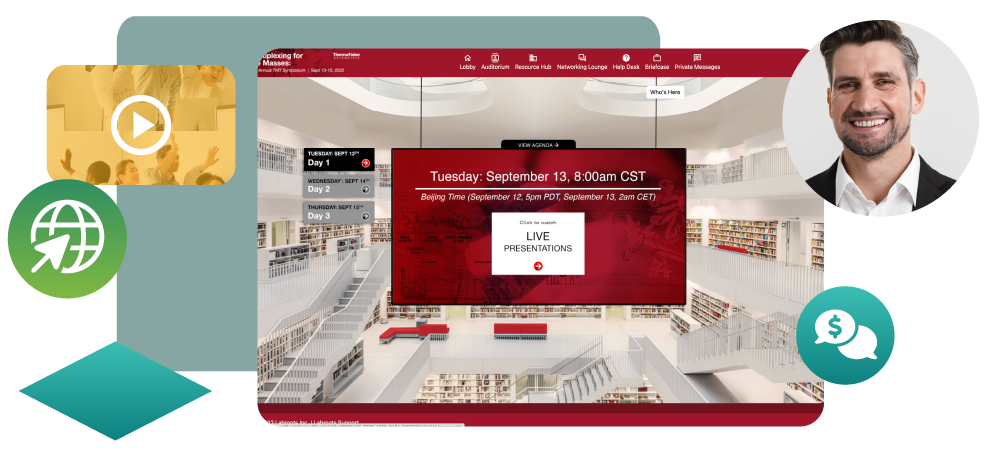
Virtual events in manufacturing enable employees, engineers, managers, business leaders, and investors to collaborate on exciting novel strategies for advancing manufacturing technologies that could result in more efficient products and services while increasing profits. Virtual events offer seamless training and trade show opportunities for individuals from around the world that could improve product quality control and employee safety. Notable benefits and virtual event applications in manufacturing include:
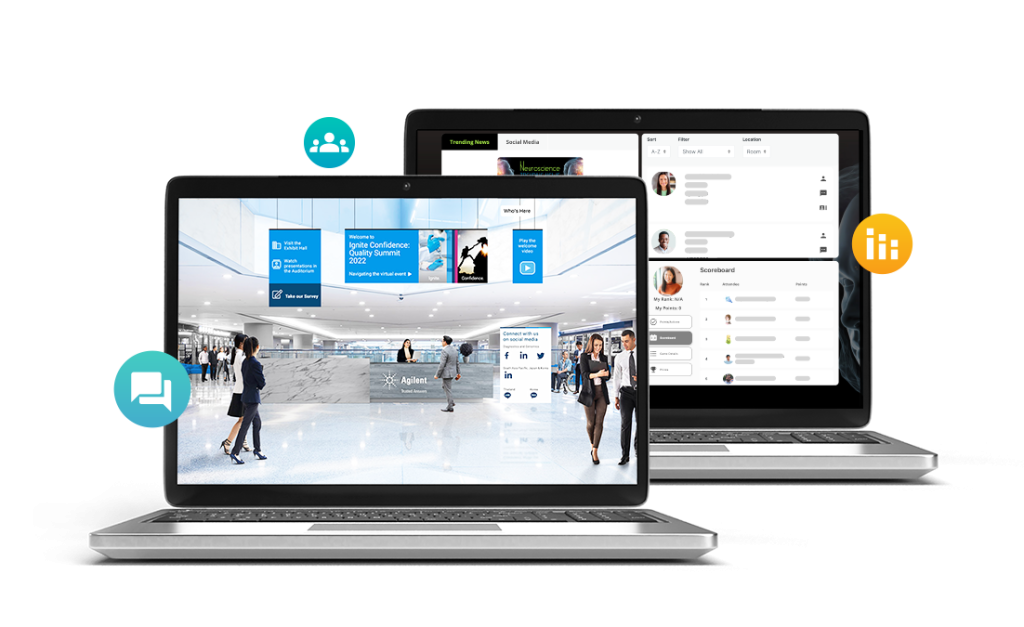
Virtual events for nonprofit organizations enable seamless engagement for employees, managers, and stakeholders to collaborate on exciting new strategies regarding training, fundraising campaigns, and awards programs for all parties. The cost-saving benefits from virtual events could also be used to assist in these endeavors. Notable benefits and virtual event applications for nonprofit organizations include:
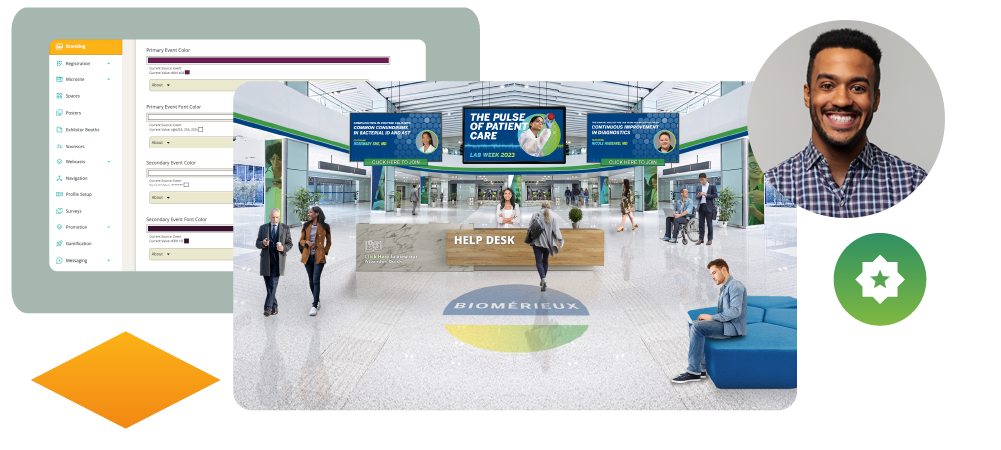
Virtual events in the sports and entertainment industries provide ample opportunities for athletes, entertainers, managers, agents, and fans to engage and collaborate on novel strategies for improved fan experiences and athlete well-being. Virtual events provide cost-saving opportunities that can be used for enhanced in-game experiences and fan appreciation days. Notable benefits and virtual event applications in sports and entertainment include:
Virtual events provide versatile experiences across all industries and disciplines, enabling employees, managers, business leaders, and others to collaborate and innovate novel strategies for a better future. With virtual events, both companies and individuals can save time and money on travel costs that can be used for improved workplaces and well-being. Adopting virtual event strategies for business growth cannot be understated, as virtual events enable companies to unite while fostering connectivity, diversity, and inclusion for everyone.