Discover how Chati's self-service licenses give you full control - build, update, and launch virtual events on your terms. Register for our free webinar today!
Webinars are rapidly becoming essential for retail customer engagement, offering a dynamic way to connect directly with shoppers. Hosting live sessions allows brands to demonstrate products, educate buyers, increase long-term loyalty, and directly drive conversions. Here, we will discuss ten actionable strategies that will help you host highly engaging retail webinars that elevate your brand and boost sales performance, including themed webinars, brand ambassador features, customer spotlight, and more.

Product demonstration webinars allow you to showcase items live using clear visuals that highlight key features and benefits in action. Seeing products used in real time builds buyer confidence and removes purchasing hesitation. Integrating a live Q&A session further enhances value by answering specific customer questions instantly, turning curious viewers into ready buyers.

Seasonal or themed webinars align your brand with upcoming holidays, current trends, or special promotional periods. Incorporating limited-time offers, exclusive discounts, or live giveaways during these events creates immediate excitement and urgency. This strategy drives higher attendance while encouraging viewers to make rapid purchasing decisions before the seasonal promotion ends.
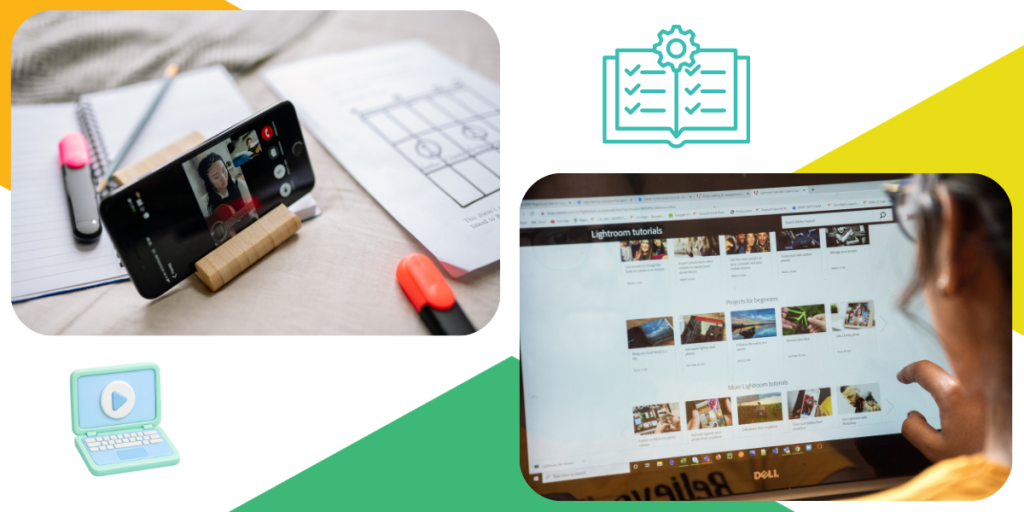
Customer tutorial and how-to sessions focus on teaching buyers how to get the maximum value out of their purchases. Providing clear step-by-step guides, insider tips, and practical tricks builds long-term brand affinity. Recording these sessions for on-demand access ensures your educational content continues reaching and engaging new customers long after the live broadcast ends.
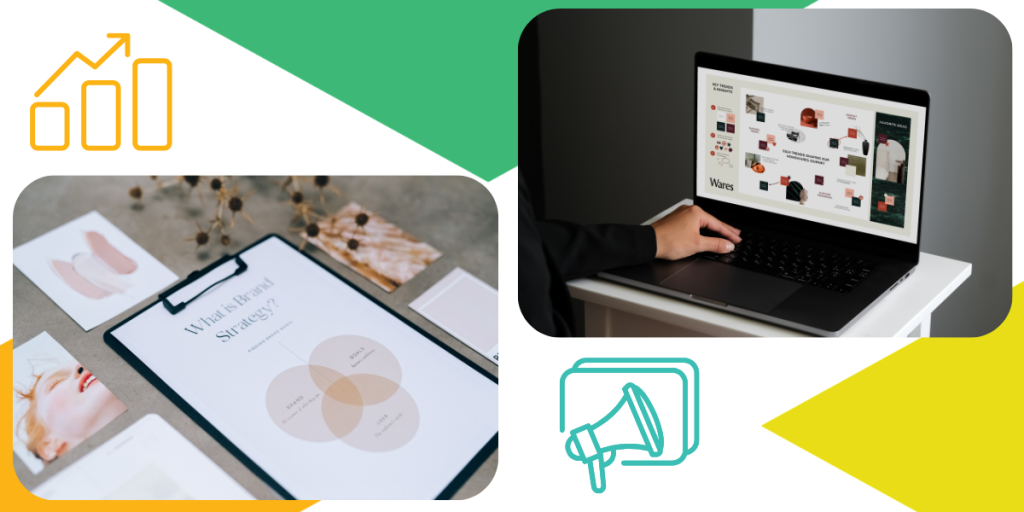
Partnering with influencers or brand ambassadors to co-host webinars lets you leverage their established followings to boost overall registrations. Their active participation lends instant credibility to your products and encourages cross-platform social media sharing. This collaborative approach significantly expands your audience reach, introducing your retail brand to new, highly engaged customer segments.
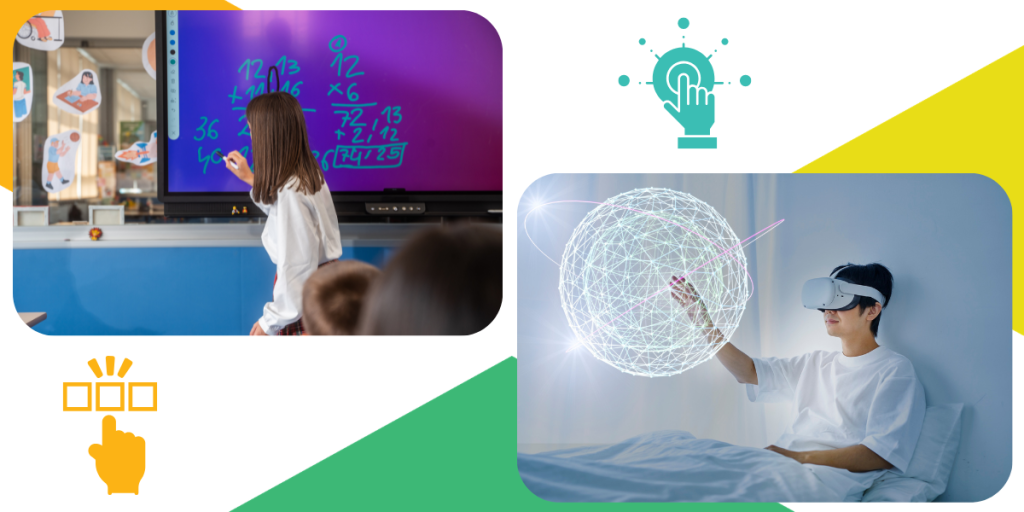
Interactive Q&A webinars center entirely on direct customer communication, providing a platform to address inquiries, product concerns, and brand details openly. Utilizing live polls, chat features, and real-time surveys keeps participants actively involved throughout the session. This high level of transparency fosters genuine trust, turning casual shoppers into loyal brand advocates.

Customer spotlight webinars feature real stories, genuine testimonials, and practical product applications from your most loyal buyers. Highlighting authentic experiences builds credibility and validates your product quality through peer proof. Celebrating your community in this way strengthens brand advocacy, encouraging other customers to share their own positive experiences with your retail brand.

Virtual workshops provide interactive, hands-on experiences such as DIY projects, personalized styling sessions, or custom product tutorials. Incorporating breakout rooms and live demonstrations ensures participants stay actively involved throughout the event. Supplying downloadable resources after the workshop gives attendees lasting material, extending engagement long after the live broadcast concludes.

Exclusive VIP webinars offer private sessions tailored specifically for loyalty program members and high-value customers. Providing early access to new product reveals, upcoming services, or secret sales makes participants feel truly valued. This premium treatment strengthens customer retention, deepens brand loyalty, and drives higher lifetime value from your most dedicated retail buyers.
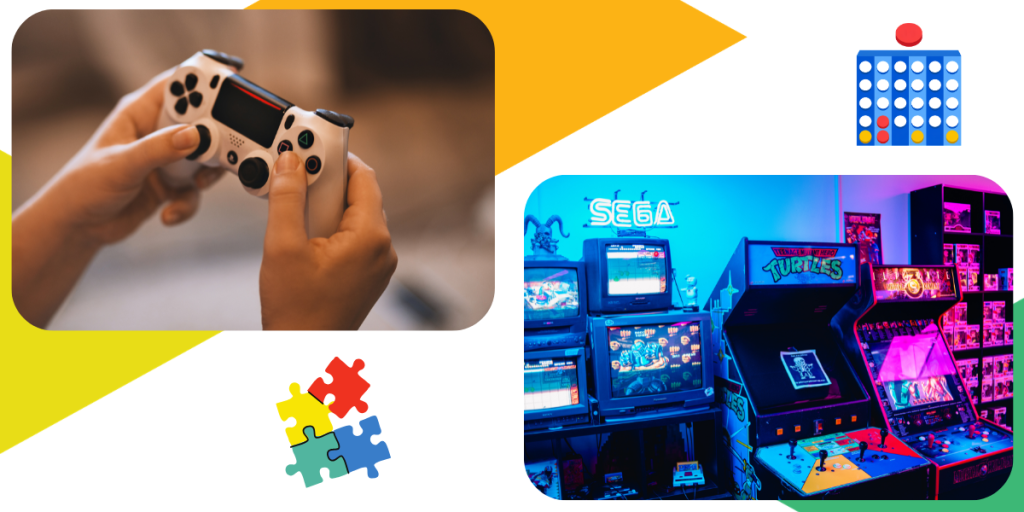
Gamified webinars bring fun to product education by incorporating live quizzes, quick polls, and interactive challenges. Rewarding active participation with digital badges, exclusive discount codes, or special prizes keeps viewers fully attentive. This entertaining approach keeps energy levels high while naturally conveying key product information that drives immediate post-event sales.

Follow-up and on-demand content extends customer engagement far beyond the live session. Sending post-webinar emails with event recordings, extra resources, and targeted promotions allows you to segment your audience for customized marketing campaigns. This ongoing nurturing strategy maximizes your return on investment by continuing to drive conversions from replay viewers.
Summary
Here, we discussed ten actionable strategies that will help you host highly engaging retail webinars that elevate your brand and boost sales performance, including themed webinars, brand ambassador features, customer spotlight, and more. You now have the tools and resources to host a successful and impactful webinar focused on retail customer engagement.

Implementing these ten strategies transforms how retail brands engage consumers. Delivering interactive, educational content builds lasting loyalty, deepens audience connection, and directly increases sales. Get started today by leveraging powerful platforms like Chati to host high-impact, engaging webinars for your retail customers. Please contact Chati if you would like to see how we can host your next webinar focused on retail customer engagement.
IT companies leverage virtual events to maximize product launches, utilizing global reach to connect with wider audiences. Interactive presentations and real-time data analytics provide measurable engagement, fostering deeper prospect relationships. By shifting to digital formats, firms scale demos efficiently. Here, we discuss seven actionable virtual event ideas for your launch strategy, including interactive webinars, panel discussions, customer showcases, and more.
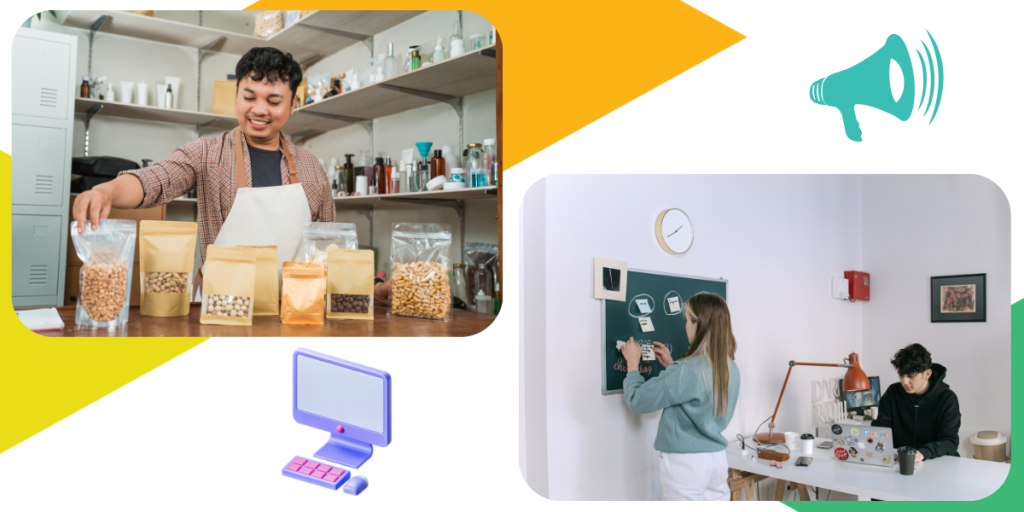
Host live demos to showcase software, hardware, or SaaS features in real-time. Integrate interactive Q&A sessions to engage attendees directly and address concerns. Finally, record every demonstration, enabling on-demand viewing for prospects and creating valuable content to streamline your lead follow-up process.
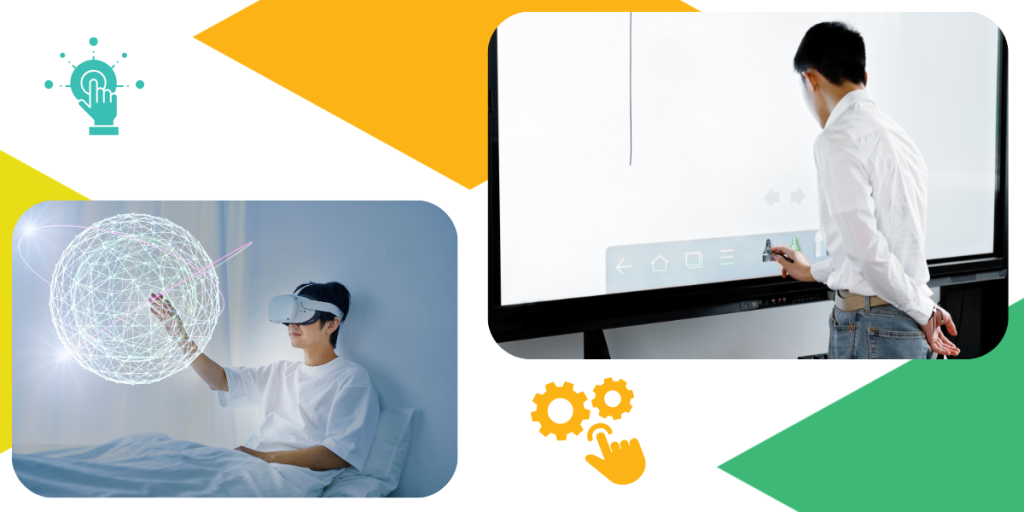
Host expert-led webinars featuring product managers to deep-dive into technical capabilities. Enhance sessions with live demos, polls, and exclusive downloadable resources. Capture detailed registration data during sign-up to effectively segment your audience and prioritize high-intent, qualified leads for your sales team.
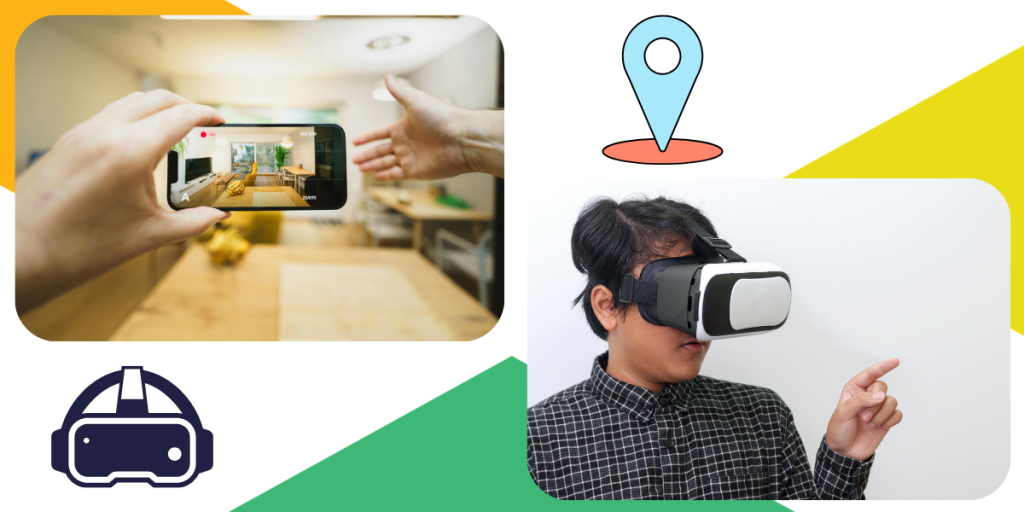
Celebrate major product releases with dynamic live-streamed launch events. Feature expert presentations, immersive demos, and industry guest speakers. Encourage real-time audience interaction and social media sharing to boost brand visibility, drive organic engagement, and generate hype throughout the entire digital community.

Invite industry experts to lead panel discussions on your product’s use cases and benefits. Allow attendees to submit questions and vote on topics, fostering active participation. This collaborative approach enhances credibility and builds essential trust in your IT solution among prospects.
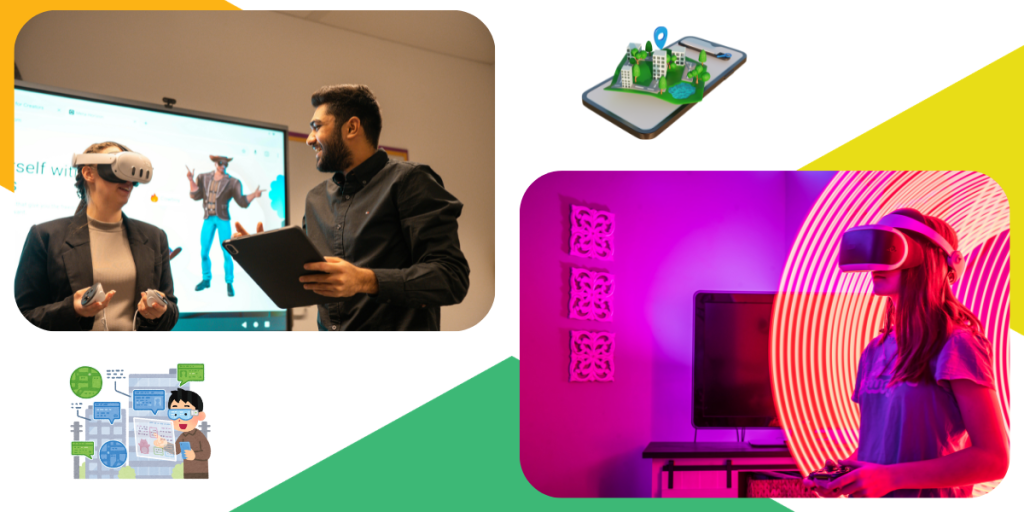
Provide virtual 3D walkthroughs of hardware or immersive software interfaces, enabling attendees to explore features interactively. Integrate contextual resources, tutorials, and customization options directly into the experience, allowing users to engage with your product's unique value proposition at their own pace.

Present detailed case studies highlighting successful real-world implementations. Incorporate live interviews or pre-recorded testimonials to share authentic user experiences. By showcasing specific, measurable outcomes, you provide tangible proof of your product's value, reinforcing trust and accelerating the buyer's decision-making process.

Provide an on-demand resource hub featuring recorded demos, webinars, and training sessions. This allows attendees to access content anytime, extending ongoing engagement. Track specific viewership and engagement metrics to gain actionable insights, enabling highly personalized, data-driven follow-ups with your prospects.
Summary
Here, we discussed seven actionable virtual event ideas for your launch strategy, including interactive webinars, panel discussions, customer showcases, and more. These digital approaches transform how prospects interact with your technology. To ensure these initiatives drive real business impact, start by selecting the format that best aligns with your target audience's technical needs and begin building your registration pipeline today.

Leverage robust platforms like Chati today to host interactive, highly engaging IT product launches and secure your competitive edge. Please contact Chati if you want to learn more about how you can host a virtual event for your next IT product launch or demo.
Webinars are vital for tech companies to scale marketing, educate users on complex features, and convert high-quality leads. They allow brands to reach global audiences instantly, demonstrate intricate software live, and establish undeniable thought leadership. Tech companies are responsible for some of the most innovative breakthroughs in history that impact everyday lives.
Here, we will discuss ten actionable best practices for hosting highly successful webinars that engage viewers and drive real business growth, including defining goals, knowing your audience, promotion, choosing platforms, prepping content, rehearsing, engaging, follow-ups, analyzing, and repurposing. Through this, you will have the tools and resources to host a successful webinar focused on helping tech companies build their brands while connecting attendees worldwide.

The first step is to define your webinar's core purpose, specifically a product demo, lead generation, thought leadership, or user training. This is followed by establishing measurable goals, including registration targets, attendance rates, and audience engagement metrics with the goal of accurately tracking your success and ensuring alignment across your team.

Segment your attendees by role, industry, or specific interests to maximize relevance. Use these insights to tailor your presentation, directly addressing their unique pain points and highlighting the most compelling use cases. This targeted approach transforms a generic presentation into a high-converting, personalized experience for every viewer.

Promote your webinar across email campaigns, social media, and partner networks to maximize registrations. Pair this outreach with engaging landing pages featuring frictionless sign-up forms and implement an automated reminder sequence to keep the event top-of-mind and drive higher day-of attendance rates.

Choose a reliable, scalable webinar platform that is seamless for attendees to join. It must support interactive features like real-time polls, live Q&A, and chat to keep your audience engaged, alongside robust on-demand recording capabilities to extend your content's shelf life long after the live event.

Build your presentation around concise messaging, dynamic slides, and engaging videos to maintain focus. Incorporate live product demonstrations to break up static content and visually bring abstract concepts to life. This multimedia approach enhances viewer understanding and keeps your audience locked in from start to finish.

Conduct a full dry-run with all presenters to iron out pacing and transitions. Run thorough technical checks to test audio clarity, video feeds, and smooth screen sharing. Verifying your interactive features beforehand prevents live glitches, ensuring a seamless, professional experience for your audience.
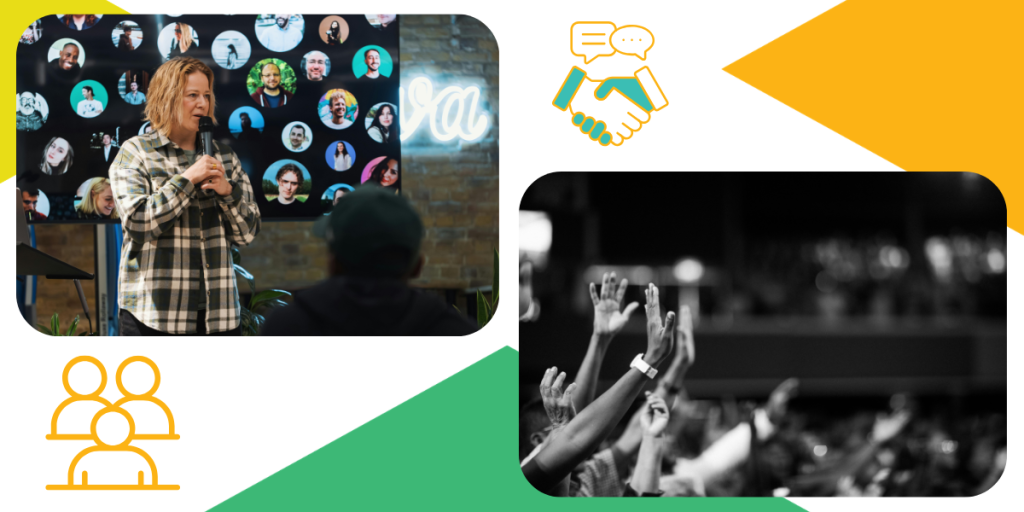
Maintain high audience attention by breaking up your content with real-time polls, chat prompts, and structured Q&A sessions. Actively encouraging participation transforms passive viewers into engaged participants, creating a truly interactive session that reinforces your message and keeps your crowd hooked throughout the presentation.

Follow up promptly with thank-you emails, on-demand recording links, and relevant resources. To maximize conversions, segment your audience based on their actual attendance and engagement during the live event. This allows marketing teams to deploy hyper-targeted nurture campaigns that effectively guide prospects down the sales funnel.

Track key metrics like registration versus attendance rates, audience engagement scores, and final conversion numbers. Analyzing these data points provides actionable insights into what truly resonated with your viewers, allowing you to continually optimize content, timing, and promotional strategies to improve the performance of all future webinars.

Repurpose your webinar into on-demand videos, detailed blog posts, short social media clips, or comprehensive eBooks. This strategic content recycling vastly extends your reach to individuals who missed the live broadcast, maximizing the total return on investment from a single, well-executed production.
Summary
Here, we discussed ten actionable best practices for hosting highly successful webinars that engage viewers and drive real business growth, including defining goals, knowing your audience, promotion, choosing platforms, prepping content, rehearsing, engaging, follow-ups, analyzing, and repurposing.

Careful planning and execution are vital to increasing engagement, generating quality leads, and building brand authority. Ready to scale? Leverage platforms like Chati to host professional, highly interactive, and high-impact tech webinars that drive real business growth. Please contact Chati if you would like to know how you can use our webinars to promote your tech company.
The shift from static video conferencing to immersive 3D environments, powered by virtual reality and augmented reality (VR/AR), is reshaping attendee expectations and event outcomes. Increasingly accessible, these technologies now enhance engagement at events of all sizes. Here, we will discuss how to incorporate immersive VR/AR into your virtual events, including why they work, best strategies, measuring engagement, and more. With this, you will have the tools and resources to organize impactful virtual events for worldwide audiences.
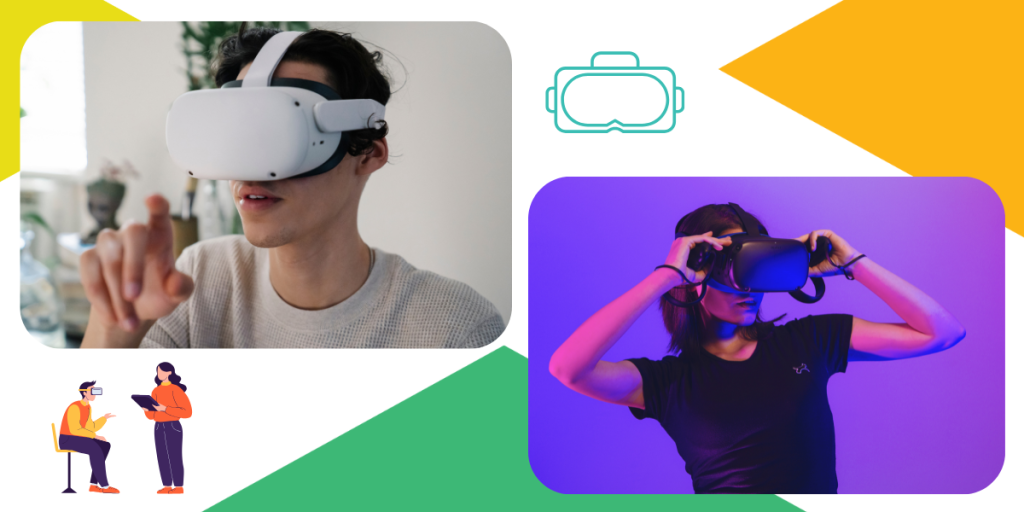
Immersive experiences boost attendee engagement and content retention through hands-on learning, creating emotional connections and memorable “wow” moments. These benefits extend across industries like education, healthcare, manufacturing, and marketing, transforming how people learn and connect.
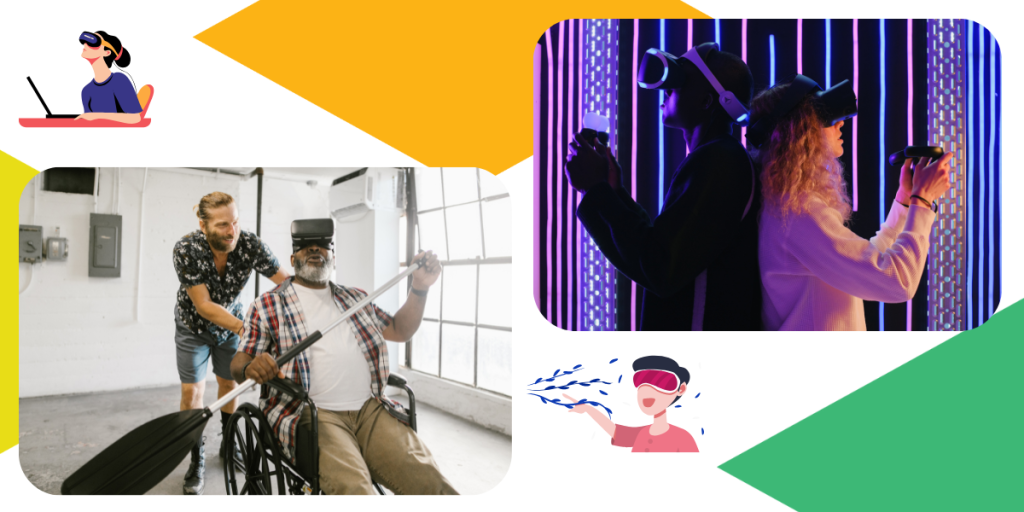
1. Virtual Trade Shows and Expo Halls
Fully navigable 3D booths features interactive product displays and holographic demonstrations, offering immersive exploration. Advanced attendee tracking and engagement analytics provide valuable insights, enabling exhibitors to understand visitor behavior and optimize interactions for greater event success.
2. Virtual Venue Tours
VR enables attendees and clients to virtually walk through real-world locations, enhancing hospitality, real estate, and event planning showcases by providing immersive, detailed tours that improve decision-making and elevate the overall experience.
3. Immersive Training and Workshops
AR overlays and VR environments offer hands-on learning experiences, enhancing training and skill development. These technologies are especially popular in healthcare, manufacturing, and technical fields, where immersive practice improves accuracy, safety, and knowledge retention.
4. AR-Powered Presentations and Keynotes
Augmented infographics, interactive slides, and visual storytelling create dynamic presentations that engage audiences more deeply than traditional slide decks or pre-recorded videos, transforming passive viewing into active participation for better understanding and lasting impact.
5. Networking in Virtual Reality
Avatar-based interactions in digital social lounges use realistic movement, spatial audio, and a strong sense of presence to simulate face-to-face conversations, creating immersive, natural social experiences that enhance virtual networking and connection.
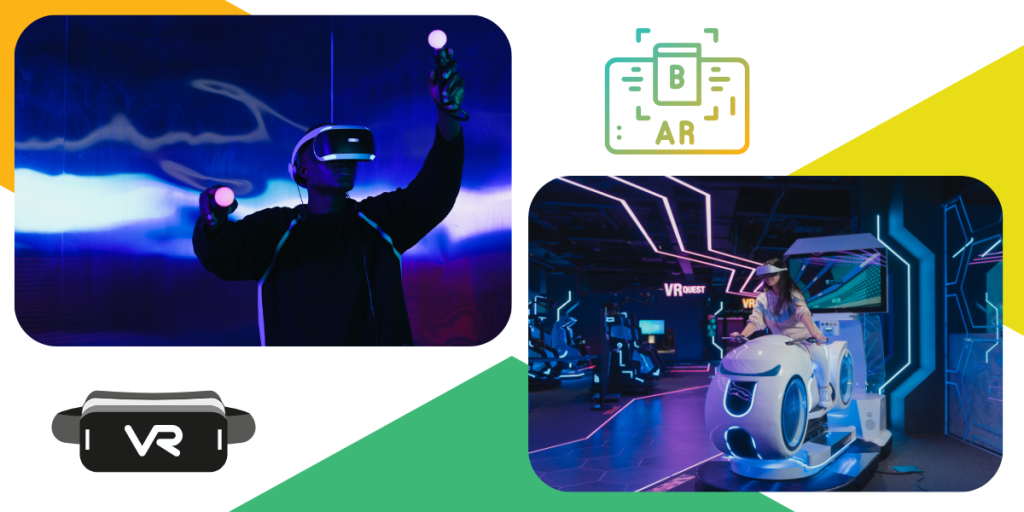
Leading immersive platforms like Virbela, MootUp, Spatial, and Engage offer diverse virtual experiences. Key considerations include headset compatibility, browser-based access, and real-time interaction support to ensure seamless, engaging participation for all users.
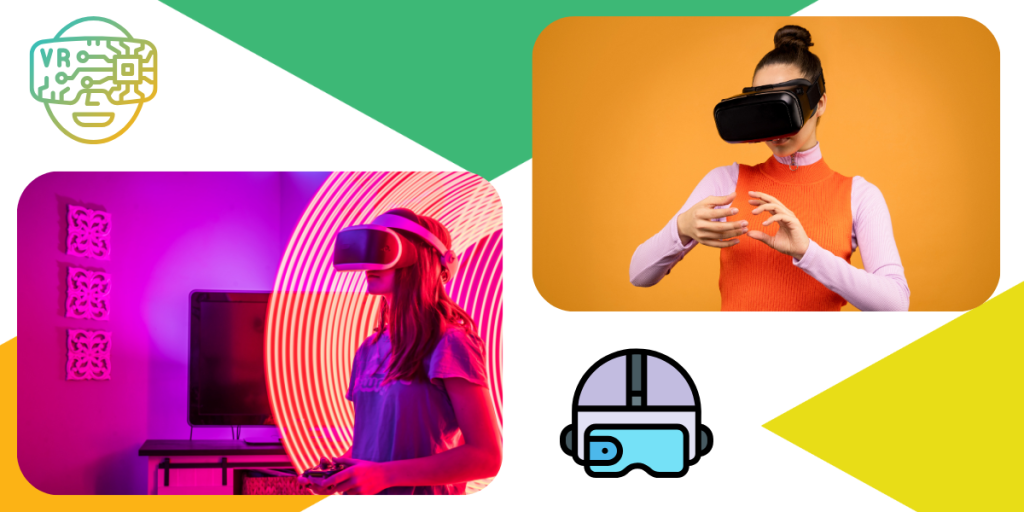
Understanding your audience’s tech readiness—whether VR headsets or mobile AR—is essential. Keep experiences intuitive and optional, providing tutorials and support for first-time users to ensure smooth adoption and maximize engagement across diverse participants.
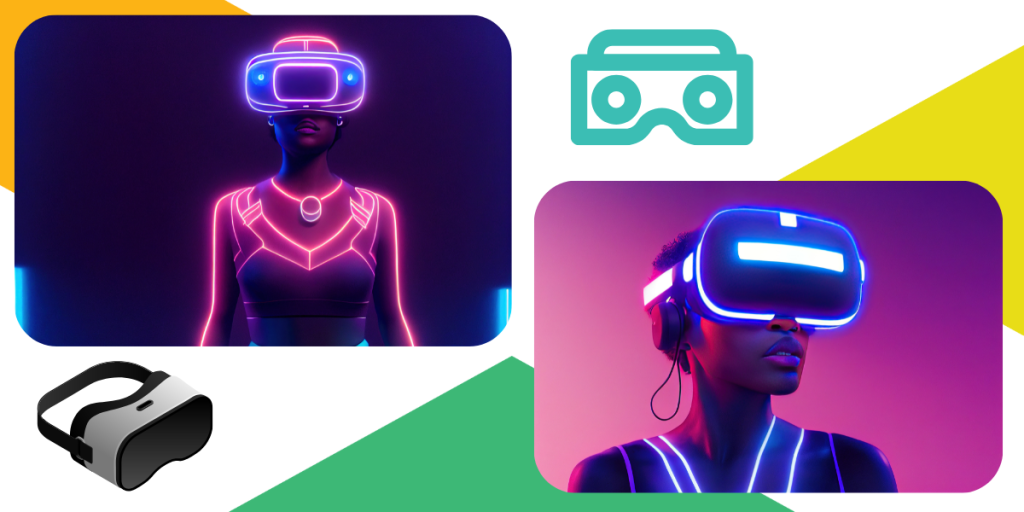
Key metrics like session time, booth dwell time, interaction rates, and feedback surveys provide valuable event insights. Heatmaps and movement tracking further reveal attendee behavior patterns, helping organizers optimize layouts and enhance overall engagement effectiveness.
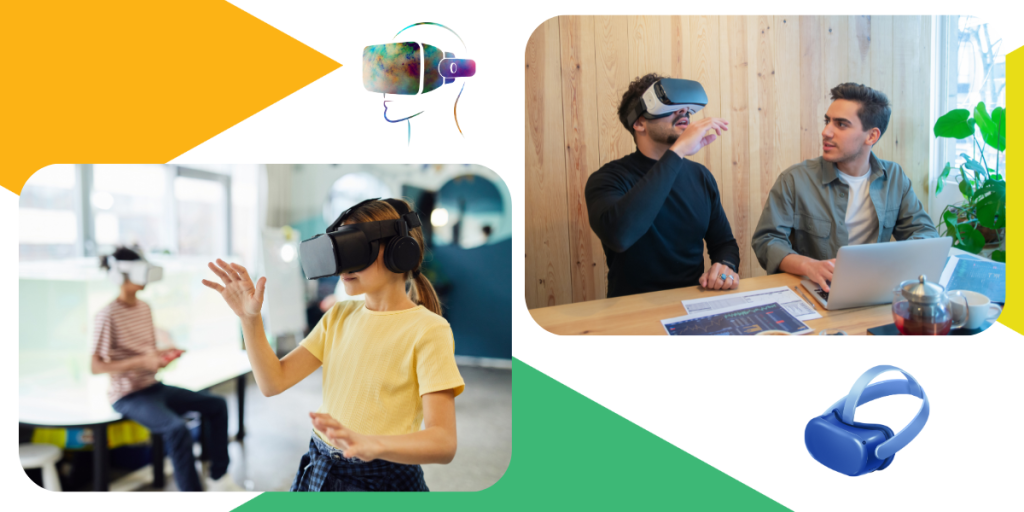
Prioritize accessibility and device compatibility across headsets, mobile, and desktops while managing costs and avoiding tech fatigue. Focus on creating immersive content that delivers meaningful impact rather than relying solely on novelty to engage audiences effectively.
Summary
Here, we discussed how to incorporate immersive VR/AR into your virtual events, including why they work, best strategies, measuring engagement, and more. Now armed with this knowledge, you have the tools and resources to organize impactful virtual events, enabling worldwide audiences to achieve their personal and professional goals.

We encourage organizers to pilot immersive elements to boost engagement and differentiation, resulting in increased diversity, inclusivity, and connectivity for audiences worldwide. Please contact Chati for more information about incorporating VR and AR into your next virtual event, as VR and AR are no longer niche, they’re essential tools in the modern virtual event toolbox.